
China Best Lead Flange Manufacturers and Suppliers?
Choosing a dependable Lead Flange supplier in China takes more than comparing prices. Buyers need to confirm material composition, dimensions, manufacturing capability, and inspection records. A flange that looks right on a drawing may still fail to fit an existing line. Small details matter.
This guide introduces manufacturers and suppliers worth evaluating, while explaining what to check before requesting a quotation. Ask for clear drawings, dimensional tolerances, material documentation, and details about any testing performed. Confirm the intended service conditions with a qualified engineer; lead components are not suitable for every piping duty. Application matters.
Supplier communication is part of the assessment, too. Can the team explain production limits, identify the proposed material, and respond consistently when specifications change? Requesting a sample or inspection evidence may help, depending on the project and order size. Packaging deserves attention as well, especially when surfaces could be scratched or distorted during transport.
No single company is the right choice for every buyer. Product range, documentation, lead time, and technical support can vary, and published claims should be verified directly. This overview is a starting point, not an endorsement. Some details may remain uncertain until the supplier shares project-specific evidence. That is worth acknowledging. The sections ahead offer a practical way to compare Chinese Lead Flange manufacturers and suppliers with clearer questions and more informed expectations.
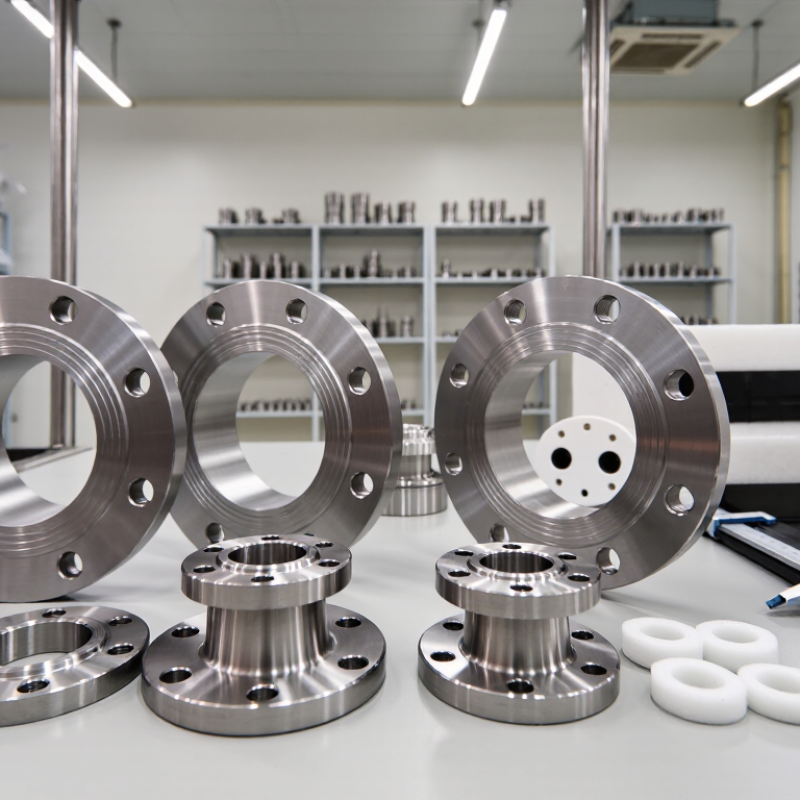
Lead Flanges in China: Materials, Applications, and Product Types
China Best Lead Flange Manufacturers and Suppliers?
Lead flanges in China may be made from nearly pure lead, lead alloys, or steel components lined with lead. Each construction suits different pressures and service conditions. Lead is dense and soft, so it can help seal irregular surfaces, but it deforms more easily than steel. That matters.
Common product types include solid lead flanges, lead-lined steel flanges, and custom-fabricated components. Some designs use a steel backing ring for support, with lead covering the process-contact surface. Confirm the flange dimensions, facing, bolt pattern, and lining thickness against the connected equipment. Small mismatches can cause leaks or installation delays.
Applications include certain chemical-processing systems and equipment requiring radiation shielding. Suitability depends on the fluid, temperature, pressure, and exposure conditions; lead is not compatible with every service. Ask suppliers for material composition, drawings, inspection records, and clear limits for use. A polished sample is not enough. The awkward detail is often the joint: gasket choice and bolt loading can affect performance as much as the flange itself. Review these details before ordering, especially for custom pieces.
