
China Best Intalox Saddle Supplier for Global Buyers
Choosing a China-based Intalox Saddle supplier is not just a price comparison. Packing geometry, material, and manufacturing consistency can affect how a tower performs. Buyers should match the product to the process, operating temperature, chemical exposure, and required pressure drop. Small details matter.
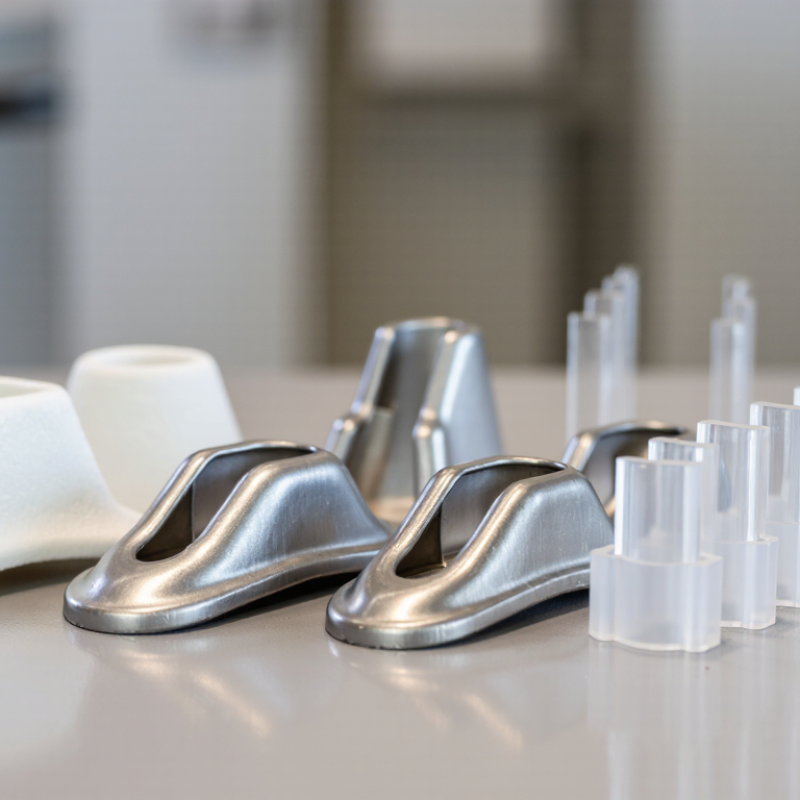
Intalox Saddle is available in materials such as ceramic, plastic, and metal, each suited to different operating conditions. A clear supplier should explain material options, dimensions, tolerances, and available inspection records. Ask for drawings and samples when fit or installation is critical. Check that the stated size matches the tower design, not simply a catalogue description. A few millimetres can matter.
For international orders, confirm packaging, lead times, and shipping arrangements before approving production. Request relevant quality documents, and clarify how the supplier handles defects or specification changes. If possible, compare samples against your technical requirements rather than relying on photographs alone. Price still matters, of course, but the lowest quotation may not include the same material grade or inspection scope.
There is no single supplier that suits every project. Even a well-presented offer deserves careful review. This guide examines what global buyers can check when comparing China’s Intalox Saddle suppliers, from product specifications to communication and after-sales support. The goal is a practical choice, based on verifiable details—not broad claims of being “the best.”
What Is an Intalox Saddle and How Does It Work?
An Intalox saddle is a small, open-shaped packing element placed inside a tower or column. Its curved body and shaped edges create many surfaces for liquid to spread across. The open passages also leave room for vapor to rise. That shape matters. As liquid trickles over the packing, it forms thin films and droplets; vapor moving upward contacts them, allowing heat or mass transfer between the phases. In absorption and distillation, this contact supports the separation process.
Performance depends on more than the saddle itself. Bed depth, liquid distribution, vapor speed, and the properties of the process fluid all affect results. A well-installed bed should have packing spread evenly, without crushed pieces or large gaps. Poor distribution can leave dry areas, even when the packing is suitable. In practice, engineers compare pressure drop, capacity, and separation needs before choosing a size or material. A larger opening may help reduce resistance, but it does not solve every operating problem. There is no magic here. Design estimates also deserve review against actual operating data; calculations can miss fouling or uneven flow. That uncertainty is worth taking seriously.
