
147 Mill Ridge Rd Suite 232
Lynchburg, Virginia 24502
Phone 757-982-3665

China Best Compact Transformer Substation Manufacturer?

Choosing China’s best Compact Transformer Substation manufacturer requires more than comparing catalog prices. It requires evidence from real projects, documented testing, and responsive engineering support. This guide examines manufacturers through practical criteria, including transformer efficiency, enclosure strength, protection design, delivery control, and after-sales service. A reliable supplier should explain its design choices clearly. It should also provide test reports, factory inspection records, and relevant certifications.

Site conditions matter greatly. A coastal installation may need stronger corrosion protection. A dusty industrial plant may require improved sealing and ventilation. Engineers should review voltage levels, load growth, short-circuit capacity, grounding, and maintenance access before approving a design. Small details matter. Cable space matters. Temperature control matters.

Experienced manufacturers can show completed installations, not only attractive brochures. Their teams should understand IEC and applicable national requirements. They should coordinate transformers, switchgear, protection relays, and monitoring systems as one package. References from comparable industries can reveal more than sales claims. Ask about failure response times, spare-part availability, and commissioning support.

The word “best” is not absolute. A low-cost unit may create higher lifecycle expenses. A technically excellent design may still fail if communication is poor. This is where evaluation becomes more honest. Some suppliers present impressive specifications but offer limited field support. Others have strong engineering teams but need better documentation. That weakness should not be ignored.

This introduction sets a practical framework for comparing Chinese manufacturers. It focuses on measurable performance, proven experience, transparent communication, and dependable long-term service. The right Compact Transformer Substation should fit the project, not merely win a quotation comparison.
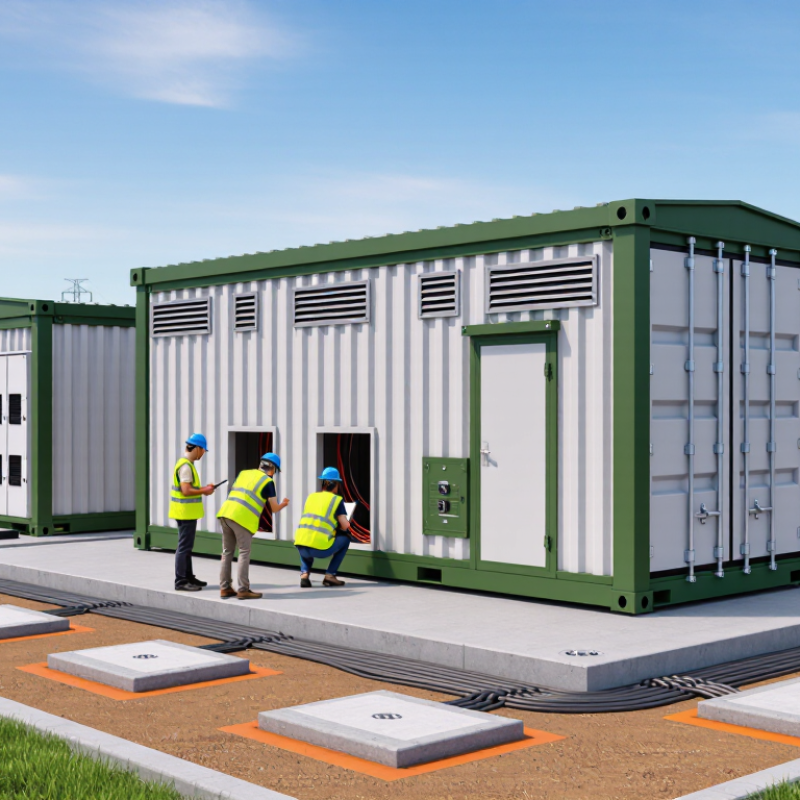
China Best Compact Transformer Substation Manufacturer?

What Defines a Compact Transformer Substation Under IEC 62271-202?

China Best Compact Transformer Substation Manufacturer?

What Defines a Compact Transformer Substation Under IEC 62271-202?

Under IEC 62271-202, a compact transformer substation is more than a small metal enclosure. It integrates high-voltage switchgear, a transformer, and low-voltage equipment in a prefabricated unit. The standard addresses enclosure performance, dielectric strength, temperature rise, mechanical protection, and service conditions. A smaller footprint does not automatically mean compliance.

Site experience shows where designs fail. Cable bending space may be ignored. Heat can build around the transformer on a hot afternoon. Operators may also struggle to reach an isolator safely. IEC testing should therefore support the drawings, not replace them. The IEA’s Electricity Grids and Secure Energy Transitions report estimates that annual global grid investment must exceed 600 billion US dollars by 2030. Reliable compact substations will matter in this expansion, especially where land is limited. Yet, this figure does not excuse weak maintenance planning.

Tips: Check the rated voltage, short-time withstand current, IP protection, ventilation path, and access clearances. Request routine and type-test evidence from qualified laboratories. Compare the tested configuration with the delivered unit. Small differences can matter. In my view, designers should leave more service space than the minimum. It costs little during installation, but saves frustration later.

How 10–35 kV Ratings and 50–2,500 kVA Capacity Shape Selection

China Best Compact Transformer Substation Manufacturer?

How 10–35 kV Ratings and 50–2,500 kVA Capacity Shape Selection

Selecting a compact transformer substation starts with the network voltage, not the cabinet appearance. A 10 kV unit may suit urban distribution, while 35 kV equipment supports longer industrial feeders. The rating must match actual system conditions. Check insulation levels, fault current, altitude, temperature, and earthing requirements before comparing prices.

Capacity ranges from 50 to 2,500 kVA, covering small workshops, commercial buildings, farms, and manufacturing plants. A 50 kVA transformer may serve lighting and light machinery. A 630 kVA model can support a busy facility with several motor loads. Larger 1,600 or 2,500 kVA units require careful attention to cooling, cable arrangement, and maintenance access. Leave expansion room. Over-sizing also creates losses and unnecessary investment.

Field experience shows that load profiles matter more than nameplate capacity. Motors can create short starting surges, while office buildings produce sharper daytime demand. Review hourly measurements when possible. Ask the manufacturer for routine test records, temperature-rise data, protection coordination support, and clear dimensional drawings. Factory inspection matters.

Small details matter.

A compact enclosure may fit the site but restrict ventilation or cable bending space. That mistake is easy to miss during procurement. I would also question any supplier promising identical performance across every climate and voltage level. Design verification, material traceability, corrosion protection, and documented testing provide stronger evidence than polished brochures. Availability of replacement components and trained service personnel should influence the final choice.

Which Design Features Improve Safety, Efficiency, and Installation Speed?

China Best Compact Transformer Substation Manufacturer?

A compact transformer substation should protect people before saving space. In field inspections, I look for lockable doors, clear warning labels, and separated high-voltage compartments. Internal barriers should resist accidental contact and limit fault damage. Pressure relief paths also need careful planning. They must direct hot gases away from operators and nearby equipment.

Safety is only one part of performance. Low-loss transformers reduce wasted energy during continuous operation. Copper or aluminum connections need firm torque control and corrosion-resistant surfaces. Temperature sensors can identify abnormal heating before insulation deteriorates. Natural ventilation often works well, but dusty or hot sites may require filtered mechanical cooling. Small enclosures can trap heat. That detail is easy to miss.

Installation speed depends on preparation, not rushed assembly. A factory-tested unit, prewired controls, and clearly marked cable entries reduce site labor. Lifting points should match the actual center of gravity. Base dimensions must be checked against civil drawings before delivery. I once saw a compact unit delayed because its cable trench was too shallow. The equipment was correct. The interface was not.

Reliable designs include inspection windows, removable panels, and accessible grounding points. Grounding conductors should be sized from fault-current calculations, not habit. Protection settings require coordination with upstream and downstream devices. Digital monitoring adds useful visibility, but it should not replace physical inspection. No design is perfect. Engineers should review heat, moisture, noise, maintenance space, and future load growth before selecting a manufacturer.

How Chinese Manufacturers Compare on Testing, Standards, and Customization

China Best Compact Transformer Substation Manufacturer?

How Chinese Manufacturers Compare on Testing, Standards, and Customization

Choosing a Chinese manufacturer requires more than comparing enclosure prices. In factory audits, I look for controlled assembly areas, traceable components, and technicians who explain test limits clearly. A credible supplier should provide routine test records for every unit. Type-test evidence should match the proposed design, not a similar model. Key checks include insulation resistance, transformer ratio, dielectric strength, temperature rise, and mechanical operation. Short-circuit performance may require independent laboratory verification. Documents matter. So does the process behind them.

Chinese manufacturers often work with both GB/T and IEC requirements. Strong engineering teams map each requirement to drawings, calculations, and inspection points. Calibration certificates should remain current and verifiable. Production photos help, but witnessed testing reveals more. I prefer checking cable clearances, busbar torque, interlocks, grounding continuity, and enclosure sealing on the line. Small oversights can become site failures.

Customization is another major difference. A capable factory can adjust transformer capacity, incoming voltage, protection relays, cooling, cable direction, and enclosure materials. Coastal projects may need stronger corrosion protection. High-altitude sites may require insulation corrections. Space restrictions can change maintenance access. I have seen attractive designs lose practicality because doors opened into cable trenches. That mistake is avoidable, yet common. Clear drawings, sample approval, and staged inspections reduce uncertainty. No supplier is perfect. The best conversations include what the design cannot safely change.

China Compact Transformer Substations: IEC Medium-Voltage Testing Benchmark

The chart shows preferred insulation test levels for common medium-voltage classes used in compact substations. These IEC reference values provide an objective baseline for comparing manufacturer testing documentation, certification coverage, and customized voltage configurations.

Reference basis: IEC 62271-1 preferred power-frequency withstand and lightning impulse withstand levels. Actual project requirements may also include IEC 62271-200, IEC 60076, IEC 60529, local grid codes, and customer-specific type and routine test requirements.

What Factory Data Proves the Best Compact Substation Manufacturer?

China Best Compact Transformer Substation Manufacturer?

The best manufacturer should be measured by factory evidence, not polished brochures. Production records reveal how consistently a factory controls each compact substation. Look for documented routine tests, transformer ratio checks, insulation resistance, and winding resistance results. These records should match serial numbers and inspection dates.

A reliable factory also publishes temperature-rise test data under rated load. For example, engineers may record a 65 K limit, enclosure protection results, and partial-discharge measurements. Independent inspection reports add stronger credibility. Ask how often test instruments are calibrated. Calibration certificates should show current dates, equipment numbers, and responsible technicians.

Manufacturing experience appears in small details. Copper joints should have controlled torque values. Cable compartments should remain clean and clearly labeled. Factory workers should use checklists, not memory alone. Traceability matters when a customer needs one replacement component years later. Field feedback can expose recurring problems that laboratory tests miss.

No factory record is flawless. A delayed test report or incorrect label deserves investigation. That weakness may reveal an honest quality process, if corrective action is documented. The strongest supplier shares production capacity, defect rates, testing procedures, and delivery performance without hiding uncomfortable figures. Compare several factories using the same criteria. Verifiable data makes the choice clearer.