
China Best Pipe Coupling Clamp Supplier for Global Buyers?
Global buyers comparing China’s Pipe Coupling Clamp suppliers need more than a competitive quotation. Clamp geometry, material grade, surface finish, and dimensional consistency affect fit and service life. The WHO/UNICEF Joint Monitoring Programme reported that 2.2 billion people lacked safely managed drinking water in 2022. This figure describes a major infrastructure challenge; it does not prove clamp-market growth. It does show why dependable water systems matter.
For sourcing, request material certificates, dimensional inspection records, pressure-test details where applicable, and clear product drawings. Check how the supplier controls batch variation, protects clamps during shipping, and handles nonconforming goods. Quality-management pioneer W. Edwards Deming is widely credited with the reminder, “In God we trust; all others must bring data.” He was not a pipe-clamp specialist, but the principle fits industrial procurement: verify claims with records and samples.
A supplier’s “best” label is not evidence. Compare test methods, tolerances, traceability, lead times, and communication before placing an order. A sample that fits one pipe is useful, but it cannot confirm consistent production across a full shipment. That distinction is easy to miss. This introduction examines how global buyers can assess Chinese suppliers with practical checks, credible documentation, and realistic questions—while recognizing that no checklist can replace application-specific engineering review.
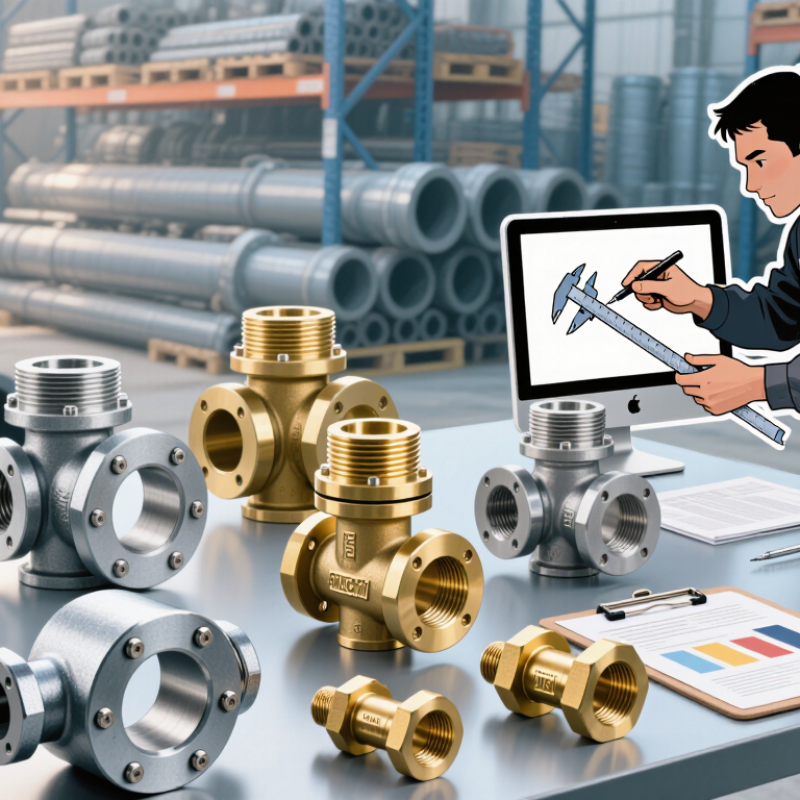
What Pipe Coupling Clamps Are and How They Work
China Best Pipe Coupling Clamp Supplier for Global Buyers?
What Pipe Coupling Clamps Are and How They Work
A pipe coupling clamp joins two pipe ends without welding or threading them together. A metal shell surrounds the joint, while an internal gasket presses against both pipe surfaces. Tightening the bolts compresses the gasket and helps create a seal. The clamp can also accommodate small gaps or alignment differences, depending on its design. Small details matter. Pipe material, outside diameter, fluid, pressure, and temperature all affect compatibility. A clamp that fits one pipe may not fit another, even when their nominal sizes match.
For example, a technician joining two steel pipes checks the measured outside diameters, cleans the contact area, and tightens the bolts evenly. Installation instructions specify the correct tightening method; guessing can distort the gasket or leave a leak path. A clamp can look secure and still be unsuitable for the service conditions. The U.S. EPA’s 2023 7th Drinking Water Infrastructure Needs Survey and Assessment estimates $625 billion in drinking-water infrastructure needs over 20 years. That figure concerns broad infrastructure investment, not clamp demand, but it highlights why dependable, maintainable pipe connections matter. Even so, one overlooked measurement can undermine the repair.
