
What Is the Best XPSMCMCP0802 Type in 2026?
Choosing the best XPSMCMCP0802 type in 2026 starts with the machine, not the product label. This Schneider Electric safety-controller reference may suit applications needing configurable safety logic, but suitability depends on the required inputs, outputs, diagnostics, and expansion options. Check the current manufacturer datasheet before comparing configurations. Details can change.
A practical review should compare the controller’s safety functions with the machine’s risk assessment and operating conditions. Count the safety devices, such as guard switches, emergency-stop buttons, and light curtains. Then confirm the required output arrangement, response time, wiring method, and compatibility with connected modules. A crowded control cabinet matters, too. So does the time technicians have for setup and troubleshooting.
“Best” is not universal. One installation may prioritize spare capacity; another may need a simpler configuration and easier maintenance. Verify the exact model designation, supported software version, firmware requirements, and regional availability with Schneider Electric or an authorized distributor. These checks are more reliable than relying on a retailer’s short listing. If specifications appear inconsistent, pause and confirm them.
This guide will help readers assess the XPSMCMCP0802 against real project needs, rather than choose by price alone. It will also identify questions to ask before purchase and commissioning. Still, a written comparison cannot replace qualified engineering review. That limitation is worth keeping in view.
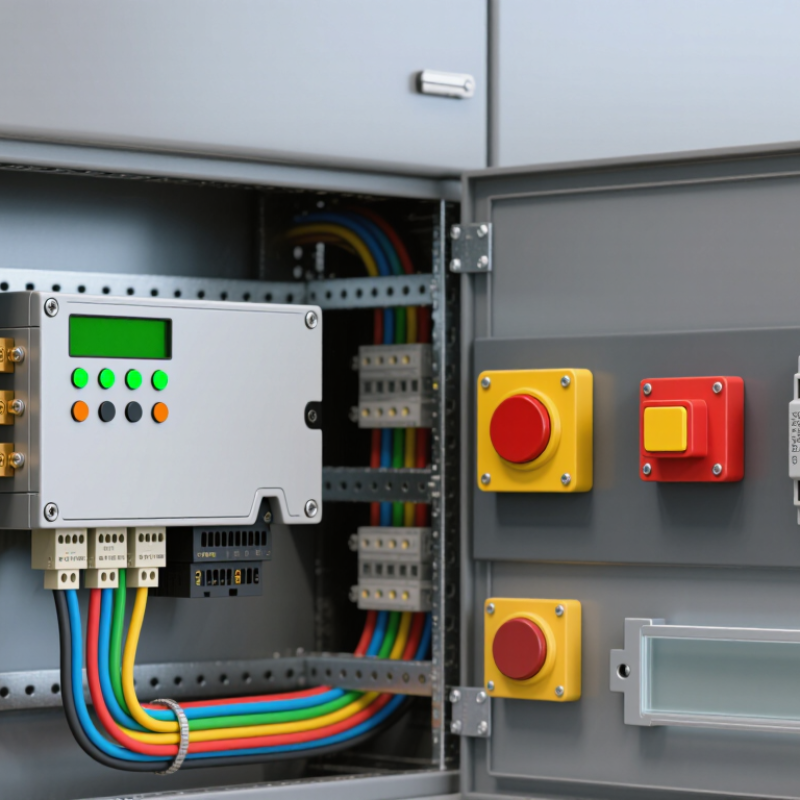
What the XPSMCMCP0802 Is and How It Functions
The XPSMCMCP0802 is a configurable safety-controller CPU for monitoring machine hazards and controlling protective responses. Its onboard terminals provide eight safety inputs, two safety outputs, and two test outputs. Inputs can receive signals from devices such as emergency-stop buttons, guard switches, and light curtains. The controller evaluates those signals against programmed safety logic. If a guard opens, for example, it can switch off a safety output and stop hazardous motion. The test outputs help detect certain wiring faults. Short response paths matter.
In a machine cabinet, the CPU can work with compatible expansion modules to add input or output capacity. Its actual function depends on the configured logic, connected devices, and verified system design; the module alone does not make a machine safe. That detail is easy to overlook. The International Federation of Robotics’ World Robotics 2024 report counted 4,281,585 industrial robots operating worldwide in 2023, a 10% year-over-year increase. More automated equipment makes dependable safety monitoring increasingly important, but that industry figure does not measure this controller’s performance. Engineers should check the exact wiring, diagnostic behavior, and application requirements before commissioning. Real installations can be less tidy than diagrams suggest.
