
What Is the Best Vibration Measuring Device in 2026?
Choosing the best Vibration Measuring Device in 2026 is not about buying the most expensive analyzer. It is about matching the instrument to the machine, measurement task, and skill level of the people using it. A handheld meter may suit quick checks on a pump bearing. A multi-channel analyzer may be necessary for balancing, advanced diagnostics, or demanding route-based programs. Small details matter: sensor mounting, frequency range, calibration, battery life, and whether the software makes trends easy to understand.
The U.S. Department of Energy’s Operations & Maintenance Best Practices guide reports that predictive maintenance programs can save 8–12% compared with preventive maintenance and 30–40% compared with reactive maintenance. Those figures describe programs, not guaranteed savings from any single device. A sensor cannot fix poor setup. Nor can a clean-looking screen replace sound analysis. Jason Tranter, founder of Mobius Institute and a vibration-analysis educator, emphasizes a practical principle in his teaching: measurements need interpretation before they can guide maintenance decisions. That distinction is easy to miss. This guide compares device types, measurement capabilities, usability, and cost, while noting where evidence is limited. The best choice may be less sophisticated than expected. It should capture repeatable data, reveal meaningful changes, and help technicians decide what to inspect next.
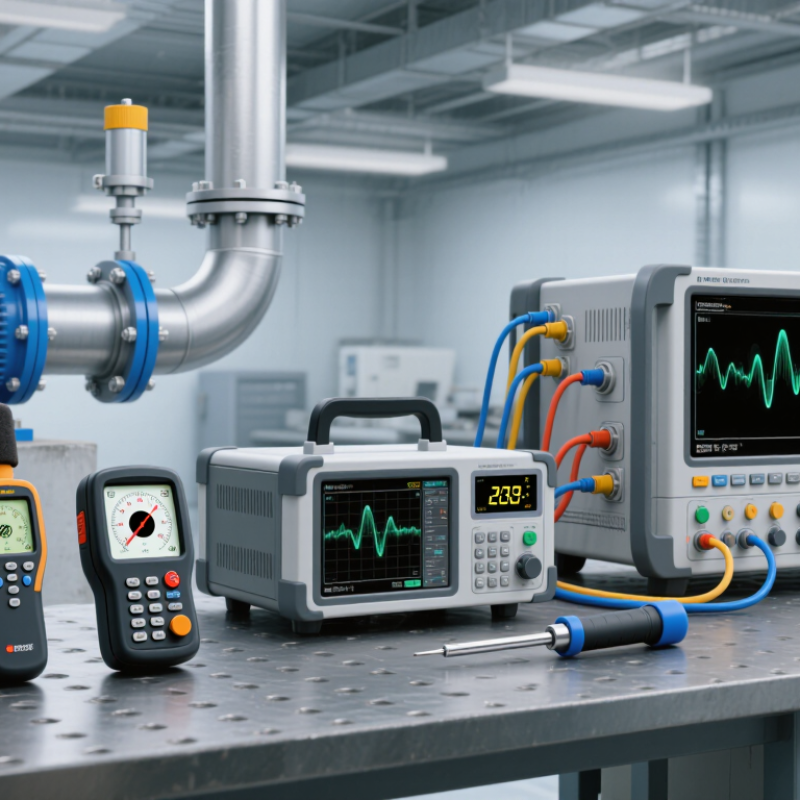
What a Vibration Measuring Device Measures and Why It Matters
A vibration measuring device turns movement too small to see into useful data. Depending on its sensor and settings, it may measure acceleration, velocity, or displacement. Acceleration captures rapid changes; velocity helps assess machine condition; displacement shows how far a component moves. Some instruments also display vibration frequency, revealing how quickly a machine oscillates. Small differences matter.
On a factory floor, a technician might attach a sensor to a pump bearing while the machine runs at a steady speed. The reading can help identify unusual vibration linked to imbalance, looseness, misalignment, or bearing wear. A single measurement rarely proves the cause. Still, readings taken at the same points and under similar operating conditions can reveal a trend before noise or heat becomes obvious. That can support timely inspection and reduce unexpected downtime.
The device is only as useful as its setup. Sensor placement, mounting pressure, machine load, and measurement units can all affect results. A handheld reading may be convenient, but it can miss changes between inspections. Continuous monitoring offers more history, though it also produces data that needs careful interpretation. One reading can mislead. Even experienced technicians compare measurements with machine specifications and past results, rather than treating an alert as a diagnosis.
