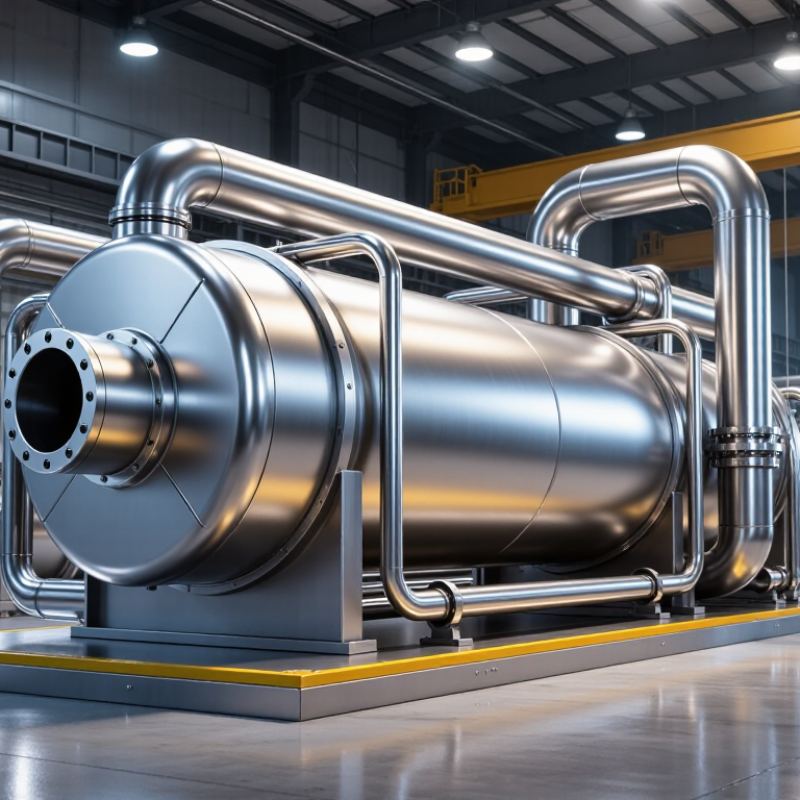
| Shell-and-tube specialists | Established design format with separate tube-side and shell-side flow paths; can be configured for a wide range of duties, materials, and operating conditions. | Projects with demanding pressure or temperature conditions, phase change, or a need for a robust industrial design. The actual suitability depends on the design basis and materials. | Confirm design pressure and temperature for both sides, heat-transfer calculations, tube and shell materials, corrosion allowance where applicable, inspection and test plan, and applicable vessel-code documentation. | Often larger and heavier than plate units. Tube-side fouling can require cleaning access and maintenance planning. |
| Gasketed plate heat exchanger specialists | Compact construction with corrugated plates that provide high heat-transfer area in a small footprint; units can often be opened for inspection and cleaning. | Liquid-to-liquid duties where compactness, heat-transfer performance, and service access are priorities, provided the fluids, gaskets, and operating conditions are compatible. | Verify plate and gasket material compatibility with each fluid, design pressure and temperature, allowable pressure drop, connection details, and availability of replacement gaskets and plates. | Gasket material and operating limits can constrain application. Gaskets need inspection and eventual replacement; suitability for dirty or fibrous fluids needs careful review. |
| Welded or semi-welded plate specialists | Plate-based designs that reduce or avoid conventional gasket use in selected flow paths; configurations vary by manufacturer and design. | Applications where a gasketed plate design is unsuitable for a particular fluid or operating condition, subject to confirmation of the selected construction and service requirements. | Ask which passages are welded and which remain gasketed, request design limits and fluid-compatibility confirmation, and clarify inspection, repair, cleaning, and service procedures. | Internal inspection or repair may be more involved than for a fully openable gasketed unit. Capabilities differ significantly by construction. |
| Custom-engineered exchanger manufacturers | Can develop a project-specific configuration, materials, connections, supports, and documentation package around a defined process duty. | Projects with unusual dimensions, materials, process conditions, interfaces, or documentation requirements that do not fit a standard product range. | Review the proposed design basis, calculation package, material traceability, welding and inspection records, pressure-test procedure, drawings, and project-specific quality plan. | Custom engineering can increase lead time and make scope control especially important. Freeze process data and interface requirements early. |
| Standardized-product manufacturers | Focus on repeatable product ranges, standard configurations, and defined options, which may simplify comparison and procurement. | Projects with common duties and operating conditions that fit an available standard model without extensive customization. | Check the model’s certified or documented rating, performance selection, materials, connection sizes, delivery scope, and whether the quoted configuration matches the project data sheet. | A standard model may not meet unusual process, material, layout, or code requirements without modification. |