
7 Best Steel Fabrication Materials for Global Buyers
Choosing the right Steel Fabrication Materials can determine whether a structure performs reliably or becomes costly to maintain. The decision starts with the job: a bridge component, food-processing frame, and outdoor equipment panel face different loads and environments. Theodore von Kármán, an influential engineer, captured the broader challenge: “Scientists study the world as it is; engineers create the world that never has been.” His words are not a steel-selection rule, but they reflect the practical judgment fabrication demands.
This guide compares seven widely used options, including carbon steel, stainless steel, galvanized steel, and aluminum. It considers strength, weight, corrosion resistance, weldability, availability, and cost. A thick carbon-steel plate may suit a heavily loaded frame, while a damp coastal site may call for stronger corrosion protection. Details matter. Buyers should check grade designations, thickness tolerances, mill test certificates, and compatibility with their fabrication process. Supplier claims alone are not enough.
There is no universal winner. A material that looks economical at purchase can require more coating, machining, or maintenance later. Nor does a premium alloy automatically make a design safer; detailing and workmanship matter too. That judgment can be inconvenient, and sometimes the available data leaves room for doubt. The comparisons ahead offer a practical starting point for global buyers—not a substitute for project-specific engineering review.
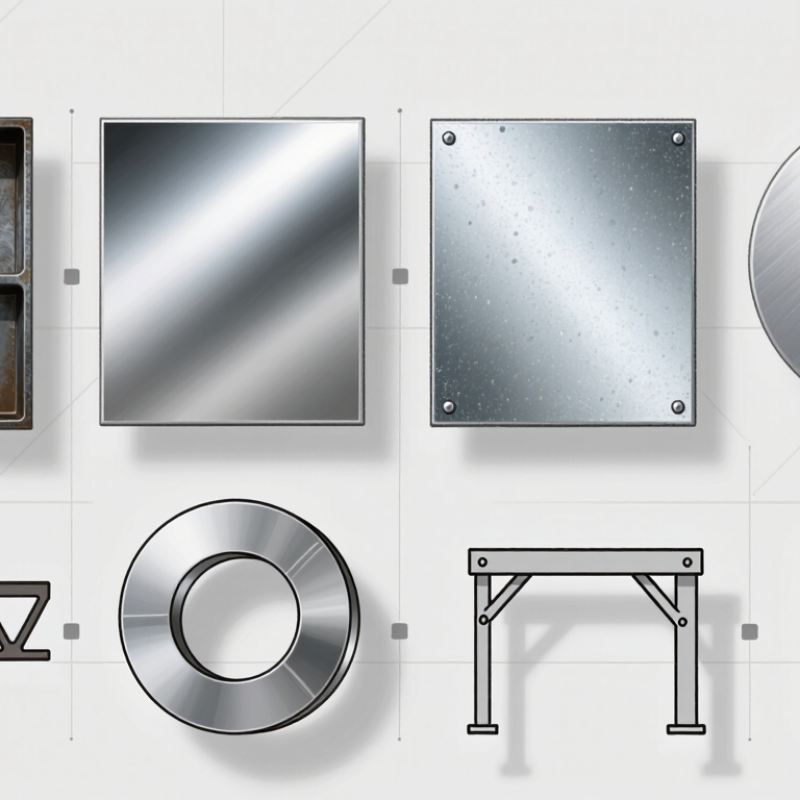
Key Factors for Choosing Steel Fabrication Materials
Selecting steel fabrication materials starts with the operating environment, not a strength table. Match grade to load, temperature, moisture, chemicals, and forming method. Carbon steel is often practical for dry structural work; stainless steel may suit corrosive, frequently washed settings. High-strength low-alloy steel can reduce weight, but may require different welding procedures. No grade is best everywhere.
Availability matters too. World Steel Association reported 1,882.6 million tonnes of crude steel production in 2023, yet local stock, thickness, and lead times still vary. The International Energy Agency’s Iron and Steel Technology Roadmap estimates the sector produces about 7% of global energy-related CO₂ emissions. Recycled content and transport distance can therefore inform purchasing, alongside price. A common mistake is treating tensile strength as the whole answer; it is easy to compare, but it does not predict corrosion life or fabrication effort.
Tips: Check mill certificates, coating requirements, weldability, and expected maintenance before ordering. Ask fabricators to review the grade against the actual drawings. Small details matter: a cut edge or drilled hole can expose uncoated steel. And a cheaper option may not stay cheaper.
