
2026 Best Solinco String Machine for Buyers?
Choosing a Solinco String Machine in 2026 starts with a practical question: what kind of stringing work will it handle? A home player restringing one racquet occasionally needs different features from a busy shop serving several customers each day. This guide looks beyond the product name to the details buyers can verify, including the tension range, mounting system, clamp design, and available support.
Small details matter. A secure six-point mount can help hold a frame steady, while smooth clamps make repeated adjustments less frustrating. Crank machines may suit buyers who value straightforward operation; electronic models can offer convenient tension control, but usually cost more. Check the machine’s footprint, too. A heavy unit may be stable, yet awkward on a crowded workbench. No feature is automatically worth the extra price.
Product names and seller listings can sometimes leave room for confusion. Before purchasing, confirm the exact model, what comes in the box, warranty terms, and whether replacement parts are available. Compare specifications from reliable listings rather than relying on a headline or a single review. That distinction is easy to miss. A careful comparison should also consider your experience level, budget, and how often you string. This overview will help buyers weigh those factors and identify which Solinco String Machine, if available under that name, best fits their needs. Some trade-offs may remain; the right choice is not always the most expensive one.
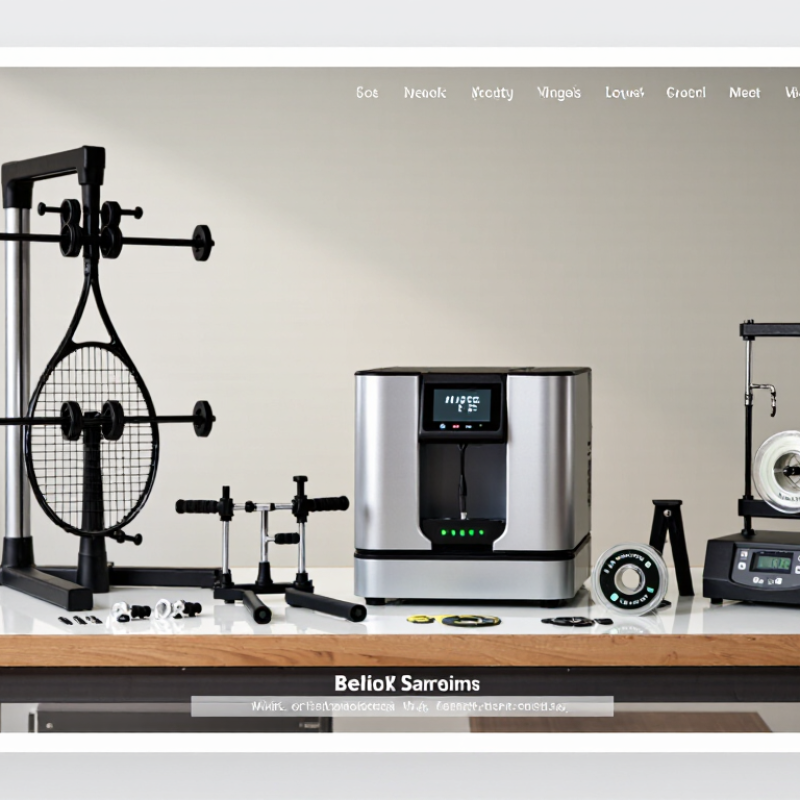
Understanding Stringing Machines for Solinco Racquet Setups
Choosing a stringing machine for a particular racquet setup starts with repeatability, not a flashy feature list. A calibrated tension head, secure mounting, and clamps that hold without crushing the string matter during every pull. Constant-pull systems can help maintain tension as strings settle, while a lockout machine relies more on the operator’s timing. Neither removes the need to check calibration. Small errors add up.
The USTA’s 2024 Tennis Participation Report counted 25.7 million U.S. players, a sign of broad demand for reliable racquet service. That figure does not tell buyers which machine to choose, but it gives useful context: consistent setups matter to many players. For a Solinco-style racquet setup, compare the machine’s tension range with the racquet maker’s recommended range, then consider how often you string and how much bench space you have. A six-point mounting system can steady the frame; careful mounting still matters. I would also budget for a tension calibrator and a starting clamp. Easy to overlook. One honest caveat: published machine specifications cannot show how smoothly a clamp releases under real use, so inspect one in person when possible.
