
What Are the Best Solar LED Wall Lights?
Choosing the best Solar Led Wall Lights is not simply a matter of selecting the brightest product. A useful light must perform reliably beside a doorway, along a garden path, or above a dark garage entrance. It should provide steady illumination without creating harsh glare. The best choice depends on placement, weather, security needs, and daily sunlight exposure.
Solar technology expert Dr. Martin Green has often highlighted the sun’s potential: “The sun provides more energy in one hour than humanity uses in a year.” That idea explains the appeal of Solar Led Wall Lights, but practical details still matter. A compact panel may charge well in summer yet struggle during cloudy winter weeks. A 1,000-lumen claim may also sound impressive, but brightness can fall sharply after several hours. Look for a durable battery, an efficient panel, and a suitable IP weather-resistance rating. Motion sensors can reduce energy waste near entrances. Warm-white LEDs often feel more comfortable around living spaces. Cool-white light may reveal more detail, but it can appear severe.
Small details matter. Check the panel angle. Test the sensor range. Read independent reviews carefully. No model is perfect. Some lights sacrifice brightness for longer runtime, while others need frequent cleaning to maintain charging performance. Even installation height can change the result. This guide examines those trade-offs with practical evidence, helping readers compare Solar Led Wall Lights by reliability, lighting quality, installation flexibility, and long-term value. Expect useful answers, but also a few limitations worth considering before purchase.
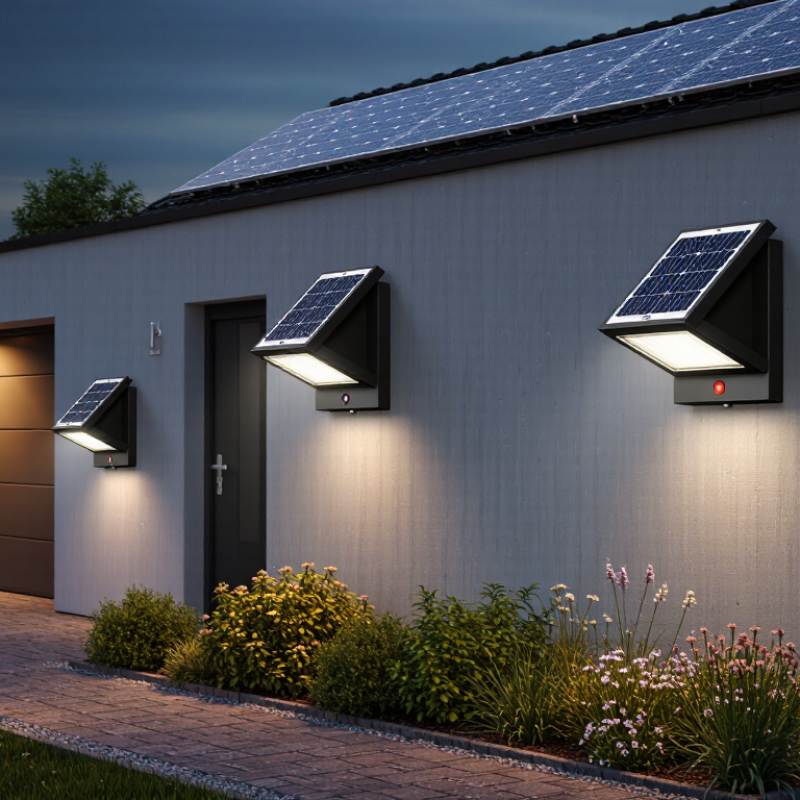
How Solar LED Wall Lights Work: PV Cells, Batteries, LEDs, and Sensors
The best solar LED wall lights depend less on appearance than on how their internal parts cooperate. A photovoltaic (PV) cell converts daylight into electrical energy, even on cool, bright afternoons. Direct sun charges faster, while shade reduces available energy.
During a simple outdoor test, a wall facing morning sun produced weaker evening brightness than expected. Placement matters more than many product descriptions admit. Keep it clear. Remove leaves, dust, and nearby branches from the panel.
Inside the light, a rechargeable battery stores electricity collected during the day. Its capacity affects runtime, while temperature and age affect real performance. On a cold winter night, a fully charged unit may not shine as long as it did in summer. That difference is easy to overlook.
LEDs use stored power efficiently and create focused light with little heat. Still, “bright” is not a complete measurement. Check lumen output, beam spread, and the intended use near doors, steps, or garden paths.
A light sensor detects darkness and switches the LEDs on automatically. Some models include motion sensors, keeping the lamp dim until movement occurs. This saves energy, but sensitivity can be imperfect.
Passing cats, tree shadows, or falling rain may trigger it. Not always. Test it at dusk. Clean the panel regularly, inspect seals after heavy weather, and use the correct replacement battery. Small details often decide whether the light feels dependable.
