
What Is the Best Shovel Undercarriage in 2026?
In 2026, choosing the best Shovel Undercarriage is less about finding one universal winner and more about matching the system to the job. A shovel loading blasted rock faces different stresses from one digging wet clay or crossing a demolition site. Track width, shoe design, roller spacing, link quality, and tensioning method all affect stability, traction, and wear. Small differences matter. A machine that feels steady on a firm bench may struggle on soft ground, while aggressive shoes can damage finished surfaces.
This guide compares the factors buyers and fleet teams should check before selecting an undercarriage. It covers operating weight, ground pressure, expected service life, parts availability, maintenance access, and long-term cost. No single specification tells the whole story. Manufacturer data is a useful starting point, but site conditions and inspection records should inform the final decision. Look for uneven track wear, loose hardware, damaged shoes, and leaking components during routine walkarounds. Those checks are not glamorous, and they can be missed during busy shifts. Still, they may reveal problems before downtime becomes expensive. The strongest choice fits the shovel, terrain, and maintenance plan—not simply the lowest purchase price. Performance varies, so confirm machine compatibility with the owner’s manual or a qualified dealer.
What a Shovel Undercarriage Does and How It Works
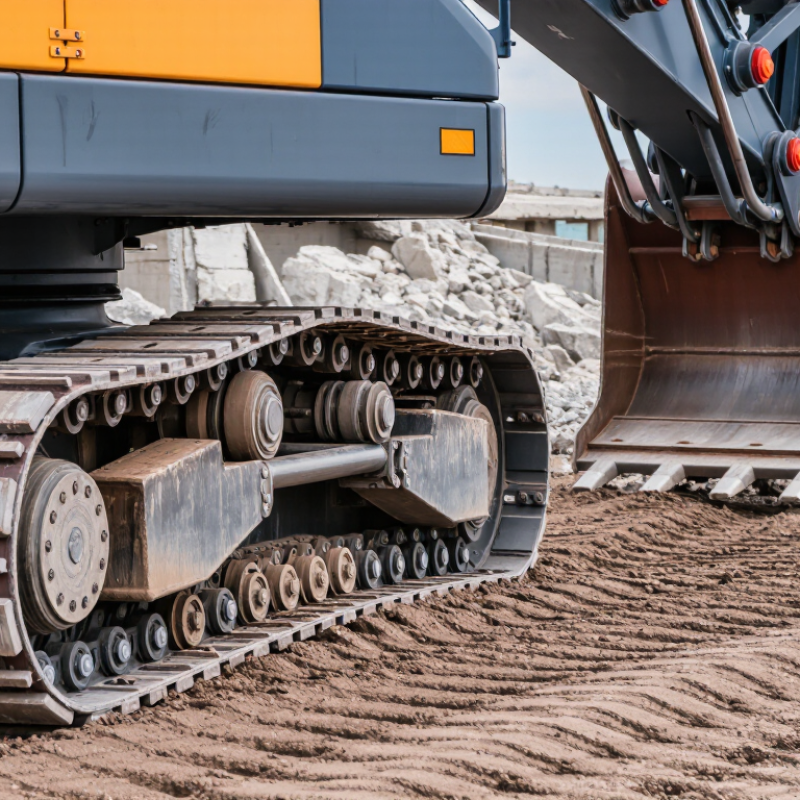
A shovel undercarriage supports the machine’s weight and carries it across the ground. On tracked models, it includes track frames, shoes, rollers, idlers, sprockets, and a tensioning system. These parts work together under heavy loads. The undercarriage also helps keep the shovel stable while it digs or swings a loaded bucket. It is easy to overlook how much stability depends on clean, properly adjusted tracks.
When the drive system turns the sprockets, they engage the track links and move the tracks around the rollers and idlers. The shoes grip the ground, while the rollers guide and support the moving track. Tensioners help control slack; too much or too little can accelerate wear. Conditions matter. Loose soil, sharp rock, and frequent turning can affect components differently, so inspection intervals should follow the machine’s manual and actual working conditions. A single wear figure does not tell the whole story.
Tips: Check for loose hardware, uneven shoe wear, damaged links, and packed debris. Compare both sides, and note changes over time. Don’t rely on appearance alone; measurements and service guidance provide better clues. A quick glance can miss developing wear.
