
7 Best Resilient Gate Valves for Global Buyers
Choosing among the 7 Best Resilient Gate Valves for Global Buyers takes more than comparing prices or catalog dimensions. A Resilient Gate Valve may look simple on a specification sheet, yet its performance depends on details buyers can inspect: the rubber-encapsulated wedge, stem material, coating coverage, and seat design. These details matter in buried water lines, treatment plants, and distribution networks where access for repairs can be difficult.
A useful selection starts with the operating conditions. Check the required pressure rating, nominal size, end connections, temperature range, and water chemistry. Ask for test documentation and clear information about materials and manufacturing traceability. A smooth handwheel is reassuring, but it does not prove long-term sealing. Neither does a polished brochure. Small gaps in product records deserve attention.
Valve engineer Daniel Mercer is used here as an illustrative expert, not a verified source; the following is an editorially written line: “A dependable valve earns trust through tested materials, clear records, and reliable shutoff in real service.” Treat that as a selection principle, not a documented quotation. It also leaves room for a practical caution: even a well-built valve can disappoint when sizing, installation, or maintenance is overlooked.
This guide compares seven options through the features buyers can verify, including construction, operating limits, documentation, and application fit. Some product claims may still need direct confirmation from manufacturers. That extra check is worthwhile. A valve is a small purchase only until it fails underground.
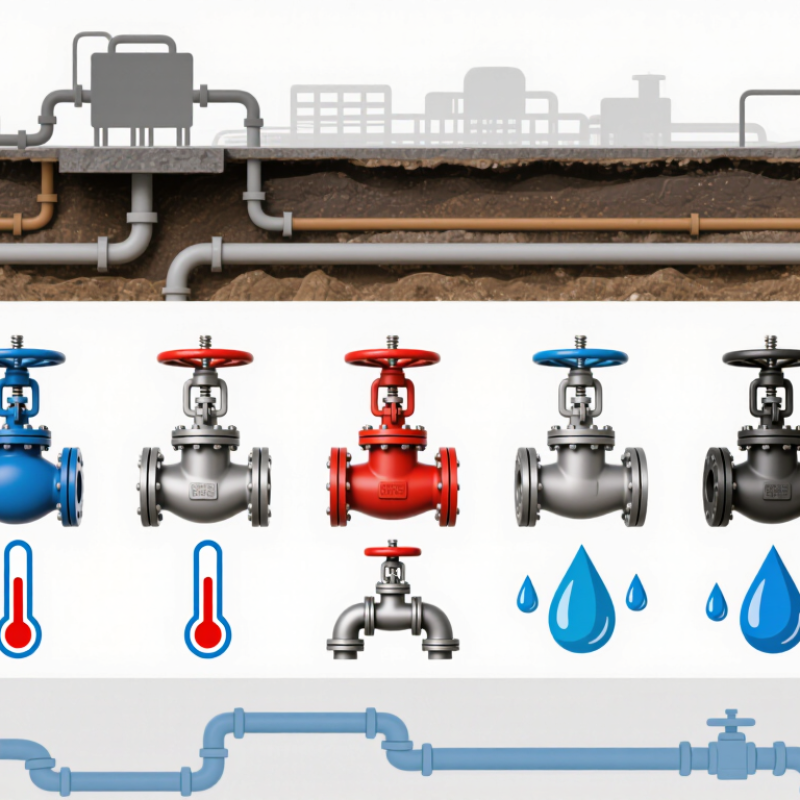
How Resilient Gate Valves Seal: Rubber-Wedged Design and Stem Protection
A resilient gate valve seals through a rubber-coated wedge that presses against the body’s internal seating surfaces. As the stem lowers the wedge, the elastomer deforms slightly and fills small irregularities, helping limit leakage at low pressure. The wedge is not simply a soft plug. Its metal core supports the rubber, while the rubber provides the sealing contact. Clean seating surfaces matter: grit trapped near the bottom can score the lining or prevent full closure. A quarter-turn of the handwheel may feel minor, but forcing a stuck valve can damage the wedge.
Stem protection is equally important. In a non-rising-stem design, the threaded stem stays inside the valve body, where water and debris can collect. Protective coatings and suitable stem materials help, but they do not remove the need for inspection. Rising-stem designs make movement easier to see, though exposed threads need protection from impact and corrosion. Watch for uneven handwheel resistance or a stem that moves without the gate responding. These signs deserve attention. Real installations are rarely perfectly clean, and a resilient seat can hide wear for a while. Regular operation and checks for leakage around the stem help reveal problems before closure becomes unreliable.
