
10 Best Precision Machining Companies for Global Buyers
Choosing a Precision Machining partner is rarely just a price comparison. Material range, tolerances, production volume, and communication can all affect the finished part. A component may look simple on a drawing, yet require careful setup, inspection, and repeatable process control. Small details matter.
This guide introduces 10 Precision Machining companies for global buyers, with attention to the capabilities that shape real sourcing decisions. These include CNC milling and turning, prototype support, quality documentation, materials expertise, and the ability to scale production. Buyers should also ask how suppliers handle revisions, inspection reports, and delivery updates. Fit varies.
Company profiles and published capabilities can help narrow a shortlist, but they do not replace a technical review. Confirm tolerance requirements, surface finishes, material certifications, and inspection methods directly with each supplier. Ask for relevant examples, and check whether quoted lead times include approval and shipping. A polished website is not proof of consistent production. That is easy to forget.
The right partner depends on the part, the risk, and the level of support needed. A supplier suited to high-volume components may not be ideal for a one-off prototype. Use this overview as a starting point, then validate each candidate against your drawing and purchasing requirements. Some comparisons will remain imperfect; supplier data changes, and buyers may weigh priorities differently. Good questions make the shortlist stronger.
What Precision Machining Companies Do and Which Industries They Serve
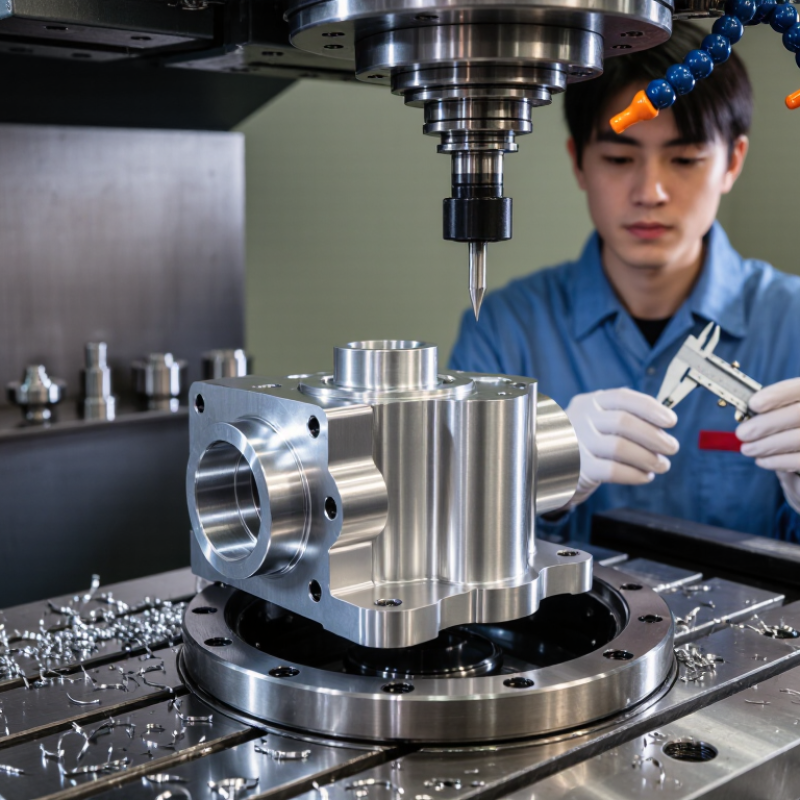
Precision machining companies turn engineering drawings into accurate metal or plastic parts. They use CNC milling, turning, grinding, and sometimes multi-axis equipment. A shop may machine aluminum brackets, stainless-steel shafts, or small plastic housings. Operators select tools, cutting speeds, and fixtures to control dimensions and surface finish. Micrometers and coordinate measuring machines help verify critical features before shipment. Results still depend on setup and material behavior.
These suppliers serve aerospace, automotive, medical-device, electronics, and industrial-equipment makers. Aerospace parts may need traceability; medical components often require clean handling and documented checks. Automotive buyers may value consistent output across large batches, while electronics firms need precise enclosures and heat sinks. Not every shop fits every job. Some specialize in prototypes; others focus on repeat production. A drawing can look clear, yet a missing tolerance or finish note can cause costly back-and-forth.
Tips: Share a 3D model and a clear drawing. Mark critical dimensions, material grade, finish, and expected quantities. Ask how parts are measured and results reported. Request a sample when practical. Small details matter. Even experienced teams can miss a risk during quoting, so review assumptions together before production begins.
