
10 Best Parking Locks for Home and Business Buyers
A reserved parking space can be surprisingly easy to lose, especially in a shared driveway or a busy business lot. A Parking Lock creates a visible barrier that helps discourage unauthorized parking and makes space boundaries clearer. Some models rise by remote control, while others fold down manually. That difference matters when a driver is carrying bags, managing deliveries, or simply wants fewer steps in a rainy evening. Small details matter. Check the lock’s height, base dimensions, power source, and visibility before choosing one. A strong-looking unit may still be awkward if it blocks a gate or leaves too little room for a vehicle’s bumper.
This guide explores ten parking locks for home and business buyers, with attention to everyday usability, construction, installation, and maintenance. It also considers practical conditions, such as outdoor exposure, frequent vehicle movement, and access to charging or batteries. No model is perfect for every driveway. A compact manual lock may suit a private space, while a powered option could be more convenient for repeated use. Convenience, however, can bring extra maintenance. Compare each product’s specifications and installation requirements, and confirm that the surface can support its mounting method. The right choice is not always the most expensive or the most automated one; it is the lock that fits the space and remains easy to use consistently.
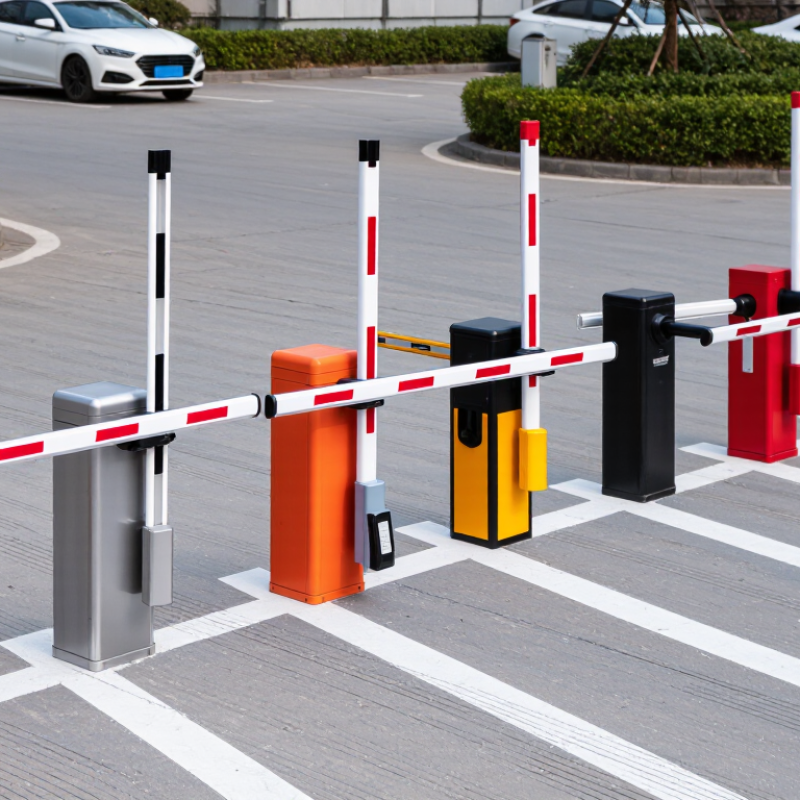
What Parking Locks Are and How They Secure Reserved Spaces
A parking lock is a compact barrier that helps reserve a specific space. It usually folds down or lifts up, allowing an authorized driver to park when needed. When raised, its metal arm or frame makes the space visibly unavailable to other vehicles. Some models use a key, while others operate with a remote or keypad. The right choice depends on who needs access and how often the space is used. Simple, but not foolproof.
Placement matters as much as the lock itself. A barrier set too close to a vehicle’s bumper can be awkward to reach, while one placed poorly may leave room for a car to enter. Measure the space and check the vehicle’s turning path before installation. The surface matters, too: concrete and asphalt may require different anchors, and loose or damaged paving can weaken a secure fit. Follow the installation guidance for the specific model.
It is tempting to think a raised lock guarantees protection. That assumption is too simple. A parking lock can discourage casual use and make a reservation clear, but it cannot prevent every collision or unauthorized attempt. Choose a visible location, keep pedestrian routes clear, and check the mechanism regularly for rust, loose bolts, or sticking hinges. Small checks help. For shared properties, clear instructions can prevent confusion, though people may still overlook them. A little planning is useful; perfect control is not realistic.
