
What Is the Best Paper Food Box Machine in 2026?
Choosing the best Paper Food Box Machine in 2026 is not simply a matter of comparing advertised speed. A machine may look impressive on a product sheet, yet struggle with the board thickness or box shape your orders require. Think of a busy shift: blank sheets feed into the machine, formed corners take shape, and finished boxes stack beside the packing line. Small interruptions can matter as much as peak output.
A careful comparison should examine forming accuracy, adjustment time, material compatibility, energy use, operator training, and access to spare parts. Ask suppliers for a live demonstration using your intended board and box dimensions. Check how quickly an operator can change sizes, clear a jam, and restore consistent folds. Request test results and service details in writing. Numbers need context.
The right choice depends on the factory, not a universal ranking. A small producer may value quick setup and flexible runs, while a high-volume plant may prioritize steady output and reduced downtime. Compare total operating needs, not just the purchase price. Even this approach has a blind spot: real production conditions can differ from a supplier’s demonstration. Leave room for that uncertainty. This guide explains the features worth checking, the questions to ask, and the trade-offs buyers should weigh before selecting a Paper Food Box Machine for 2026.
What Is a Paper Food Box Machine?
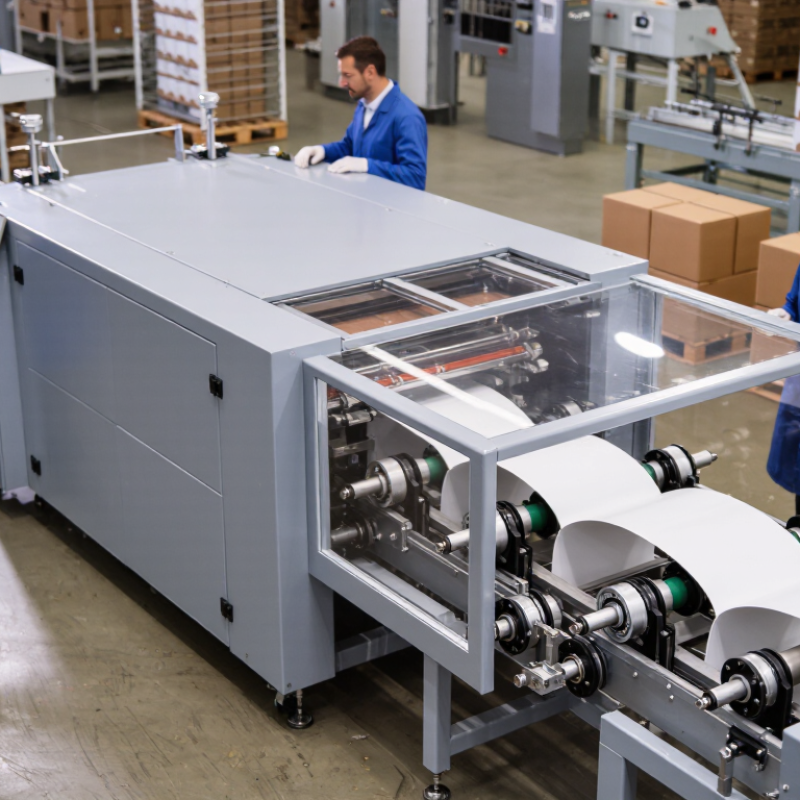
A paper food box machine converts flat paperboard blanks into formed containers for meals, snacks, and takeaway orders. Depending on its design, it feeds sheets, folds scored panels, applies adhesive or locks tabs, then presses and stacks each box. The machine is more than a folder. Its forming tools must match the box dimensions, board thickness, and intended use. Some lines also include feeding and counting systems; printing and die-cutting may happen in separate equipment. Small details matter: a poorly adjusted fold can leave a lid that springs open.
Paperboard is a large material stream, but it is not all food packaging. FAO’s Forest Products 2022 data reports roughly 401 million tonnes of global paper and paperboard production that year. This figure shows the scale of the material sector, not demand for food boxes. When assessing a machine, check its tested output on your actual board and box style. Rated speed alone can mislead. I would also ask for a changeover demonstration; setup time is often less tidy in real production than a brochure suggests.
Tips: Bring a sample blank and finished box to the machine trial. Check fold accuracy, glue placement, reject rate, and cleaning access. Ask how quickly operators can change tooling. A short test helps.
