147 Mill Ridge Rd Suite 232
Lynchburg, Virginia 24502
Phone 757-982-3665

2026 Best Outside Wheelchair Lifts for Global Buyers

Choosing the best Outside Wheelchair Lifts in 2026 requires more than comparing prices and lifting capacity. Global buyers must examine platform dimensions, weather resistance, drive mechanisms, installation space, and service availability. A lift may perform well in a showroom, yet struggle beside a narrow porch during heavy rain.

Ron Mace, an accessibility architect and founder of the Center for Universal Design, said, “The design of products and environments is to be usable by all people, to the greatest extent possible, without the need for adaptation or specialized design.” His principle remains highly relevant to Outside Wheelchair Lifts. A dependable model should support safe, dignified access without making the user feel like an afterthought.

Real-world details matter. Check whether the platform fits a powered wheelchair with room for footrests. Observe the ramp angle, control-button height, emergency lowering system, and guardrail stability. Salt air, snow, dust, and uneven paving can expose weak components quickly. Service access matters too.

Space matters. Noise matters too.

This guide compares leading Outside Wheelchair Lifts for residential and commercial applications worldwide. It considers accessibility, durability, operating comfort, maintenance needs, and installation flexibility. However, no shortlist is perfect. Local building conditions, user mobility, and regional safety requirements can change the final choice. Buyers should verify technical documents and consult qualified installers before ordering. A cheaper lift may save money initially, but unreliable servicing can create greater costs later.
2026 Best Outside Wheelchair Lifts for Global Buyers

What Outside Wheelchair Lifts Are and Who Needs Them

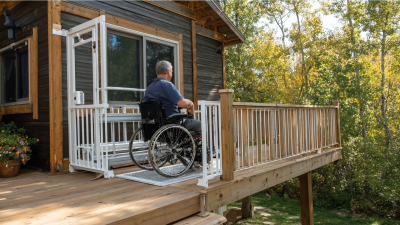
Outside wheelchair lifts are powered platforms that move a wheelchair user or mobility device between ground levels. They can serve home entrances, porches, garages, and vehicle access points. Unlike a portable ramp, a lift needs little slope space. It may suit a house with three steep steps, a narrow landing, or a tall van floor.

The need is substantial.

The WHO and UNICEF Global Report on Assistive Technology estimates that more than 2.5 billion people need assistive products worldwide. This figure could exceed 3.5 billion by 2050. Nearly one billion people currently lack access. These numbers include mobility devices, so they do not represent lift demand alone. Still, they show why accessible transport and entrances matter.

Who needs one? A wheelchair user facing repeated steps may need an outdoor vertical lift. A caregiver may need safer transfers than lifting a chair manually. A traveler may need a vehicle lift when ramps cannot handle the vehicle’s height.

Selection should follow real measurements: platform size, total load, door clearance, weather exposure, drainage, and emergency lowering. Check those details twice.

I have seen suitable-looking installations fail because the landing was too short. Outdoor salt, rain, and poor lighting also change daily reliability. Local accessibility rules and qualified installation advice remain essential, because requirements differ by country and property type.

Main Types of Outdoor Wheelchair Lifts for Different Settings

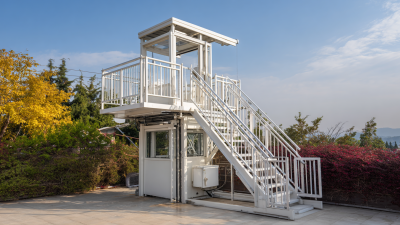
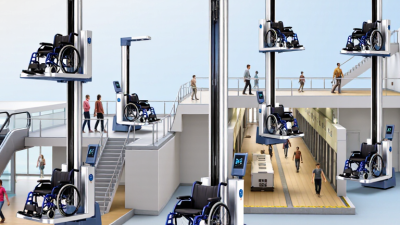
Outdoor wheelchair lifts vary by building layout, rise height, and weather exposure. Vertical platform lifts suit porches, entrances, and raised decks. They move a wheelchair straight upward beside steps. This design needs a level base, drainage, and enough platform space for turning. In coastal areas, corrosion-resistant materials deserve close attention.

Inclined platform lifts follow straight or gently curved stairways. They work well where construction space is limited or a ramp would become too long. However, narrow stairs can make boarding uncomfortable. Foldable platforms help preserve walking space, but they still require careful clearance checks. For short thresholds, compact vertical lifts may be more practical. They can reduce daily lifting effort for caregivers.

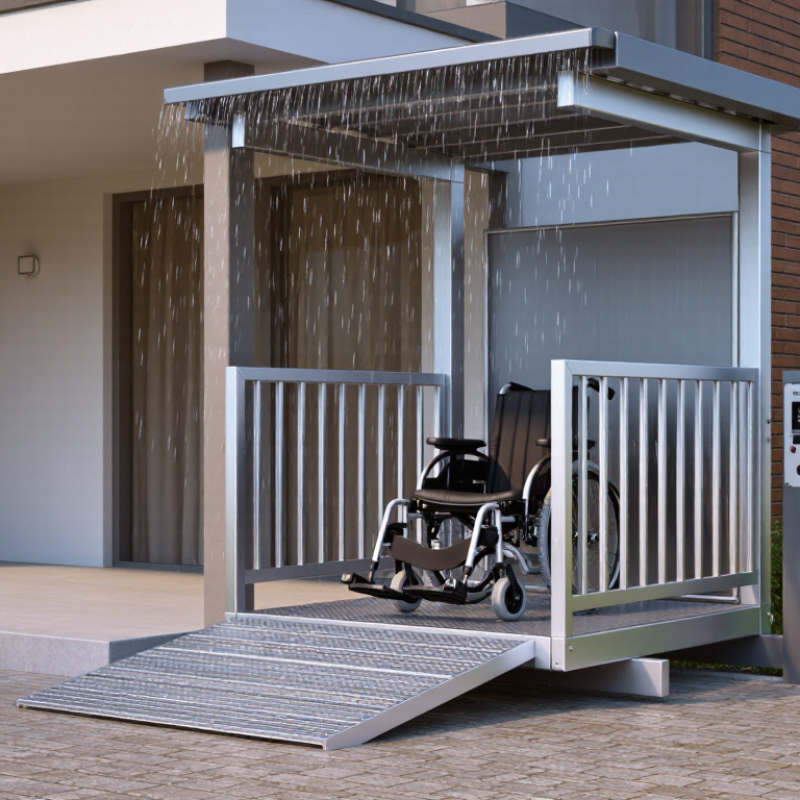
Weather protection affects long-term reliability. Look for sealed controls, non-slip surfaces, emergency lowering, and stable handrails. Snow, rain, dust, and strong sunlight can expose weak components quickly. A backup power option is useful during outages, especially for homes with isolated entrances. Local installers should verify structural strength, electrical requirements, and accessibility rules before purchase. Global buyers should also confirm spare-parts availability and service response times. The lowest price can become expensive when repairs are difficult to arrange. Real-world use matters more than attractive specifications. A lift may fit the doorway, yet feel cramped with a larger chair. Testing the platform with the actual wheelchair is often overlooked.

2026 Best Outside Wheelchair Lifts for Global Buyers - Main Types of Outdoor Wheelchair Lifts for Different Settings
Outdoor Lift Type Typical Setting Best For Typical Vertical Rise or Travel Typical Platform or Clear-Width Range Typical Rated Load Drive and Power Options Weather-Protection Requirements Key Installation Conditions Important Selection Notes
Vertical Platform Lift Residential entrances, porches, decks, raised patios, and small commercial buildings Approximately 0.6–3.7 m (2–12 ft); custom systems may cover greater heights Approximately 760–915 mm (30–36 in) clear width; platform lengths commonly 1,220–1,525 mm (48–60 in) Commonly 340–450 kg (750–1,000 lb) Electric motor with screw, chain, hydraulic, or similar lifting mechanism; mains power is common, with battery backup available on some models Outdoor-rated controls, corrosion-resistant finishes, sealed electrical components, drainage, and a protective cover or enclosure where exposed to rain or snow Requires a stable base, suitable landing areas, adequate overhead and side clearances, and safe access to the lift gate Usually more compact than a ramp for higher rises; confirm platform size, gate swing, emergency lowering, and local electrical requirements
Enclosed Vertical Platform Lift Apartment entrances, public buildings, schools, clinics, and homes in areas with severe weather Approximately 0.9–4.6 m (3–15 ft), depending on configuration and local approval Commonly 915–1,100 mm (36–43 in) clear width and 1,220–1,525 mm (48–60 in) platform length Commonly 340–450 kg (750–1,000 lb) Electric drive supplied by building power; battery lowering or emergency backup may be included Weather-sealed enclosure, non-slip flooring, ventilation, drainage, lighting, and protection against corrosion and condensation Needs a larger footprint than an open lift and may require foundations, enclosure anchoring, and building or planning approval Offers greater comfort and year-round usability, but has higher installation cost and more structural requirements
Inclined Platform Lift Outdoor stairs at homes, public facilities, transit access points, and buildings where a vertical shaft is not practical Follows the stair flight; travel length depends on the number, rise, and angle of steps Platform widths commonly about 685–915 mm (27–36 in); platform length often about 1,000–1,300 mm (39–51 in) Commonly 225–350 kg (500–770 lb), depending on design and jurisdiction Rail-mounted electric drive; rechargeable battery operation is common, with charging points at one or both landings Outdoor-rated rail, sealed controls, non-slip platform, drainage, and protection from ice, standing water, and coastal corrosion Requires sufficient stair width, strong mounting surfaces, clear upper and lower landings, and safe folding or parking space Can preserve the staircase, but reduces usable stair width while operating and may be less suitable for very narrow or highly exposed stairs
Vertical Porch Lift Low-rise porches, front steps, garden entrances, and small residential elevation changes Commonly up to approximately 1.2–1.8 m (4–6 ft) Typically about 760–915 mm (30–36 in) clear width and 1,220–1,525 mm (48–60 in) platform length Commonly 340–450 kg (750–1,000 lb) Electric screw or hydraulic drive; battery backup is useful during power interruptions Powder-coated or galvanized structure, waterproof controls, non-slip deck, rain cover, and corrosion protection for exposed fasteners Requires a level approach, reliable landing, stable foundation, and enough room for the platform gate and wheelchair maneuvering A practical choice for modest rises; measure the wheelchair, scooter, turning area, and doorway before ordering
Vehicle Wheelchair Lift Accessible vans, buses, community transport vehicles, and service vehicles Typically serves curb-to-floor heights of approximately 0.6–1.2 m (2–4 ft) Platform widths commonly about 760–915 mm (30–36 in); length varies by vehicle and model Commonly 300–450 kg (660–1,000 lb) Vehicle electrical system with hydraulic or electromechanical drive; manual backup lowering is strongly recommended Sealed controls, anti-slip platform, corrosion-resistant components, and protection from road spray and temperature changes Requires professional vehicle assessment, structural mounting, adequate door opening, and compliance with vehicle safety regulations Verify vehicle compatibility, usable platform dimensions, restraint systems, ground clearance, and weight impact on the vehicle
Portable or Modular Platform Lift Temporary events, rental properties, construction sites, community venues, and locations requiring flexible access Commonly designed for low to moderate rises, often up to approximately 1.2 m (4 ft) Commonly about 760–915 mm (30–36 in) clear width and 1,220–1,525 mm (48–60 in) platform length Often approximately 225–340 kg (500–750 lb), depending on the system Electric or battery-powered operation; some units use modular ramps or assisted manual positioning Outdoor-rated materials, protected controls, non-slip surfaces, secure anchoring, and protection from prolonged water exposure Must be placed on a firm, level surface and secured against movement; temporary installations may still require local approval Useful for flexibility, but confirm stability, battery range, transport weight, storage needs, and operating conditions
Heavy-Duty Outdoor Platform Lift Industrial sites, logistics facilities, public buildings, care centers, and locations with larger mobility devices Approximately 0.6–4.6 m (2–15 ft), depending on lift design and approval Often wider than residential models; approximately 915–1,220 mm (36–48 in) clear width may be available Commonly 450–680 kg (1,000–1,500 lb); verify the exact certified rating Heavy-duty electric, hydraulic, or screw-drive systems; three-phase power may be required for some installations Industrial corrosion protection, sealed electrical systems, drainage, protective enclosure, high-visibility controls, and scheduled inspection Requires engineered foundations, structural assessment, controlled access, emergency procedures, and professional installation Prioritize duty cycle, loading frequency, platform strength, service access, safety interlocks, and local machinery regulations

How to Compare Lift Capacity, Platform Size, and Travel Height

Choosing an outside wheelchair lift starts with accurate measurements, not attractive photographs. Lift capacity should exceed the combined weight of the user, wheelchair, batteries, and personal equipment. A 300-kilogram rating may sound sufficient, but real conditions can include rainwater, uneven loading, or a heavier replacement chair. Check whether the stated capacity refers to a moving load or only a stationary platform.

Platform size affects safety and daily comfort. Measure the wheelchair at its widest points, including hand rims and footrests. Leave enough room for controlled entry and turning, especially when the user approaches from an angle.

Travel height must match the full distance between ground level and the landing. Measure from the actual driveway or pavement, not an ideal drawing. A small height error can create an unsafe gap. I would recheck this measurement after installation, because surfaces may slope or settle.

Tips: Ask for a capacity chart, platform dimensions, and maximum travel height in writing. Confirm outdoor protection, drainage, emergency lowering, and controls that remain usable with limited hand strength. Review local installation and electrical requirements before ordering. One common mistake is comparing only prices. A lower-cost lift may require expensive site changes later. Also consider service access, winter conditions, and whether the platform blocks a doorway or walkway. A practical trial with the actual wheelchair can reveal problems that specifications miss.

Outdoor Installation, Weather Protection, and Safety Requirements

Outdoor wheelchair lifts must be chosen for real weather, not showroom conditions. Rain can enter control boxes, while salt air accelerates corrosion near coastlines. Look for sealed electrical components, rust-resistant hardware, UV-stable covers, and effective drainage. The lift should stand on a level, reinforced surface with enough clearance for doors and turning space. Snow, leaves, and standing water need regular attention.

Safety depends on more than lifting capacity. Confirm the rated load includes the wheelchair and user together. Essential features include platform guardrails, non-slip flooring, automatic barriers, emergency lowering, obstruction sensors, and clear controls. Electrical work should include suitable grounding and residual-current protection, installed by a qualified professional. Local building, electrical, and accessibility requirements can differ greatly between countries. Never assume one certificate applies everywhere.

Tips: Measure the approach in wet conditions, not only on a dry day. Check wind exposure, drainage, lighting, and service access before ordering. Ask for maintenance intervals and weather-performance documentation. A covered lift may still need inspection after storms. One detail is often missed: users need a stable landing surface beyond the platform. I would also allow extra space, because tight installations become difficult when equipment, clothing, or mobility aids shift unexpectedly. Fresh installation plans can look perfect, yet everyday access may prove less convenient.

Global Buying Factors: Standards, Shipping, Service, and Cost

Outdoor wheelchair lifts for global buyers demand more than lifting capacity. ISO 7176 testing helps evaluate wheelchair compatibility, stability, and durability, while EN 81-41 and ASME A18.1 may apply in different markets. These standards are not interchangeable. Ask for test reports, emergency-lowering details, weather ratings, and local approval requirements before ordering.

The WHO and UNICEF Global Report on Assistive Technology estimates that more than 2.5 billion people need assistive products worldwide. That demand makes dependable service important. Confirm spare-part availability, technician training, response times, and remote troubleshooting. Coastal installations need sealed controls, drainage, and corrosion-resistant fasteners. A lift that works indoors may fail beside salty air. I have seen buyers focus on the purchase price, then underestimate foundation work and electrical upgrades. That mistake remains common.

Tips: Request a landed-cost quotation. Include the lift, crating, insurance, customs charges, installation, taxes, and inspection fees. UNCTAD reports that over 80% of global merchandise trade moves by sea, so shipping schedules can shift. Choose packaging with moisture barriers and shock indicators. Require drawings in millimetres, voltage specifications, and a written warranty. Compare two service plans, not only two machine prices. A cheaper unit can become expensive when one sensor waits weeks for replacement. Keep some doubt. Local climate and building rules can change the final decision.