
China Best Natural Gas Steam Boiler Manufacturers?
Choosing among China’s Natural Gas Steam Boiler manufacturers requires more than comparing catalog prices. “Best” depends on the required steam output, operating pressure, fuel conditions, and installation environment. A food plant may prioritize stable, clean steam, while a workshop may need compact equipment and straightforward controls. Details matter.
A useful comparison starts with the boiler’s rated capacity, thermal efficiency, burner design, and control system. Ask how performance is tested and whether the manufacturer can provide clear technical drawings, inspection records, and operating instructions. Check the proposed feedwater requirements, maintenance intervals, spare-parts availability, and response times for service. These details can affect reliability long after delivery.
Manufacturer claims deserve careful review. A polished brochure is not proof of real-world performance. Request customer references for similar applications, and, where practical, arrange a factory visit or equipment inspection. Confirm that the proposed configuration matches your site conditions rather than relying on a generic quotation. Local support also matters; a strong product with slow technical assistance can create avoidable downtime. No checklist removes every risk. Specifications may change, and operating costs depend on actual usage. This guide outlines practical criteria for comparing Chinese suppliers, asking better questions, and judging whether a Natural Gas Steam Boiler fits your facility.
What Is a Natural Gas Steam Boiler and How Does It Work?
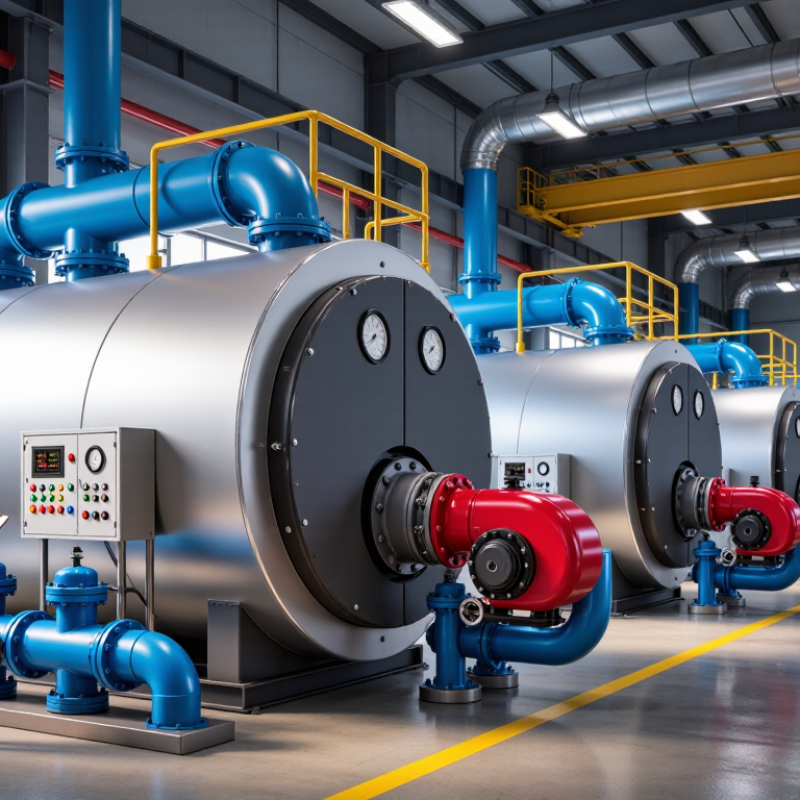
A natural gas steam boiler turns fuel energy into pressurized steam. A burner mixes natural gas with air and ignites it inside a combustion chamber. The hot gases pass through heat-transfer surfaces, warming water held in a pressure vessel. As the water boils, steam leaves through a pipe to serve heating or process equipment. It is a simple path on paper. Real operation is less tidy.
Controls regulate fuel, air, water level, and steam pressure. A pressure gauge and sight glass give operators useful clues, but they do not replace regular inspection. Poor combustion tuning can waste fuel, while scale on heat-transfer surfaces slows heat transfer.
The U.S. Department of Energy’s Improving Steam System Performance: A Sourcebook for Industry estimates that steam systems account for about 30% of energy used in U.S. manufacturing. This figure covers industrial steam systems broadly, not natural gas boilers alone. That distinction matters.
After steam releases its heat, condensate may return to the boiler as feedwater. Returning it can reduce the energy needed to heat incoming water, though leaks and contamination can undermine the benefit. A boiler’s efficiency therefore depends on more than its burner. Water treatment, insulation, operating pressure, and maintenance all matter.
Small details matter. Engineers should assess actual load patterns before sizing equipment; an oversized boiler can cycle inefficiently, even when its specifications look impressive.
