
Best Metal Surface Finishing Suppliers in China?
Choosing a Metal Surface Finishing supplier in China takes more than comparing prices. The right partner should understand the part, the production volume, and the conditions it will face in use. A decorative handle, a machined aluminum housing, and a steel fastener may need very different treatments. Finish quality affects appearance, corrosion resistance, wear, and how reliably components fit together.
This guide examines the factors buyers can use to assess suppliers, including process capabilities, quality controls, communication, sampling, and delivery planning. Ask what finishes the factory performs in-house and which steps are outsourced. Request recent sample parts, clear specifications, and inspection records where available. A glossy sample can look convincing under showroom lights, yet reveal uneven coverage around edges or holes. Details matter. It is also useful to discuss substrate preparation, acceptable color variation, and how defects are handled before placing a larger order. These questions help reveal whether a supplier can support the actual application, rather than simply offer a long process list.
No directory or checklist can replace technical review of a specific part. Supplier claims should be checked against documented capabilities and sample results, and expectations should be agreed in writing. Some buyers may also need independent testing, depending on the product’s use and requirements. The comparison ahead is a practical starting point, not a guarantee of performance. Surface finishing is a process with variables; even experienced teams can face inconsistent results when specifications are vague. A careful selection process can reduce avoidable surprises and help build a more dependable sourcing relationship.
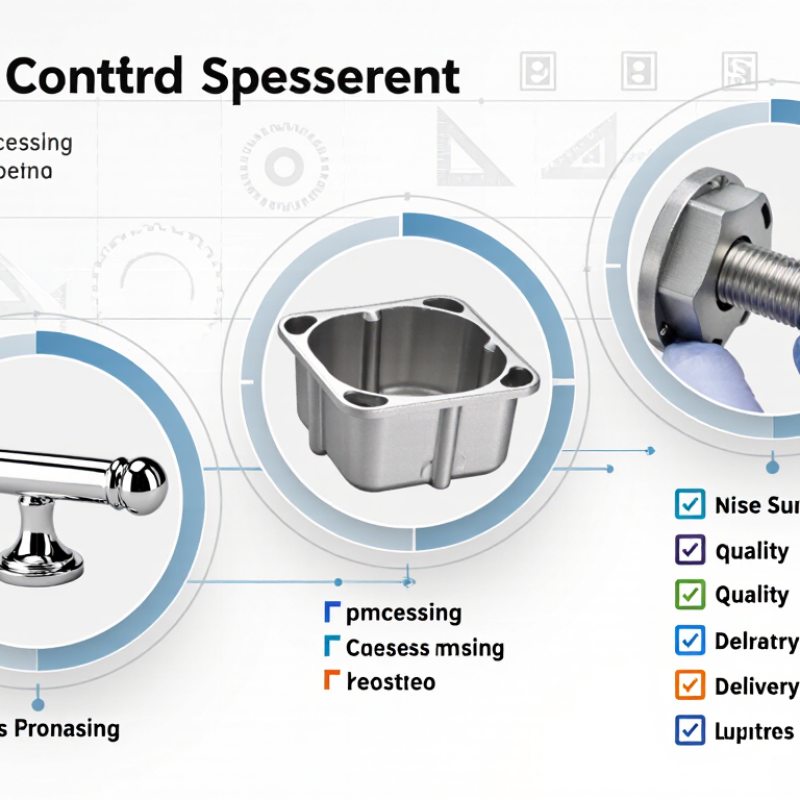
What Metal Surface Finishing Services Include in China
What Metal Surface Finishing Services Include in China
Metal surface finishing covers several steps, not just applying a coating. Chinese suppliers may offer degreasing, shot blasting, deburring, polishing, plating, anodizing, passivation, and powder coating. The right process depends on the base metal, part geometry, service environment, and required appearance. Grand View Research estimated the global metal finishing market at USD 104.8 billion in 2023, reflecting demand across many manufacturing sectors. UNIDO’s International Yearbook of Industrial Statistics 2023 reports that China accounted for about 30% of global manufacturing value added in 2021. These figures describe market scale, not the quality of any individual supplier.
Ask suppliers to specify coating thickness, surface preparation, test methods, and acceptance limits. A plated steel fitting, for example, may need corrosion testing, while a visible aluminum panel may need consistent color and gloss. Request sample parts or test coupons before approving a production run. Check how the supplier handles masking, rack marks, and inspection records; small details can affect fit and appearance. Easy to miss. Process capability varies, even when two quotations list the same finish. I would still verify results on representative parts, since paperwork alone cannot reveal every production issue. A clear specification helps both sides catch mismatches early.
