
Best Mattress Lamination Machine Supplier in China?
Choosing the Best Mattress Lamination Machine Supplier in China takes more than comparing prices or reading a polished product sheet. The machine must handle your foam, fabric, adhesive, and production speed without creating weak bonds or uneven edges. Ask suppliers for material-specific test results, clear machine specifications, and a live demonstration using samples close to your own. Small details matter. Watch the feed rollers, inspect the laminated surface, and ask how quickly operators can adjust pressure and speed. A fast machine is not automatically the right one.
Taiichi Ohno, the Toyota production engineer, is often credited with saying, “Without standards, there can be no improvement.” That principle applies here: reliable output depends on repeatable settings, documented inspections, and operators who understand the process. A capable Mattress Lamination Machine supplier should explain installation, training, spare-part availability, and service response times—not just promise high output. Request references from manufacturers with similar products, and verify what those machines actually produce. No supplier is perfect. I would also ask what happens when a bonding test fails, because that answer can reveal more than a sales presentation. This guide explores the questions worth asking before you choose a partner in China. It also considers a practical concern: the cheapest quote may cost more later if downtime, waste, or support delays were overlooked.
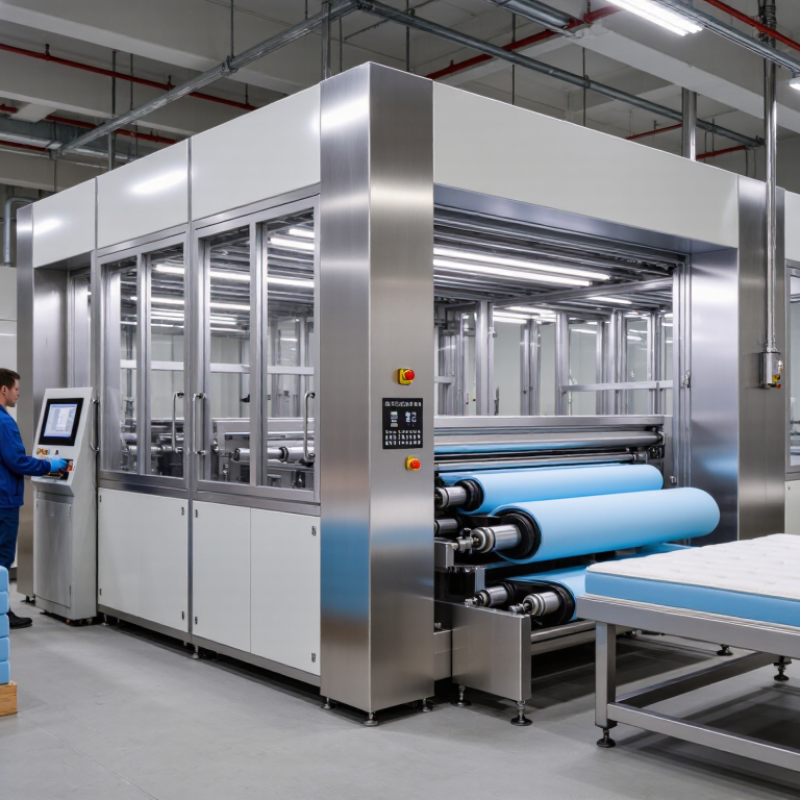
Understanding Mattress Lamination Machines and Their Applications
A mattress lamination machine bonds layers such as foam, fabric, felt, and nonwoven material into a stable assembly. Depending on the design, it may use heat, pressure, or adhesive to create an even bond. The goal is practical: keep layers aligned through cutting, sewing, and daily use. A consistent feed matters. Wrinkles or uneven pressure can leave visible marks and weak spots.
These machines serve different mattress constructions, from soft comfort layers to quilted panels and supportive foam cores. Before choosing equipment, consider material thickness, working width, production speed, and the bonding method. Ask for a trial using your actual materials. Foam density and fabric coatings can affect adhesion, so a sample made with substitute materials may tell you very little. This detail is easy to overlook.
Tips: Check temperature and pressure controls during a live run. Inspect the bond after cooling, not only as it leaves the rollers. Keep a record of settings for each material combination. Small adjustments often help, though they may take more testing than expected.
