
What Is the Best Marine Flex Hose for 2026?
Choosing the best Marine Flex Hose for 2026 is not simply a matter of finding the thickest or most expensive option. The right hose depends on its job, the fluid it carries, operating temperature, pressure, and the space available for routing. A hose in an engine compartment may face heat and vibration, while one serving a livewell has different demands. Details matter.
Look for clear manufacturer specifications, compatible fittings, a suitable bend radius, and documented resistance to the conditions aboard your boat. Check that the hose is intended for its specific application; “marine grade” alone does not explain what it can safely handle. Also inspect the proposed route for sharp edges, tight bends, and points where clamps or movement could cause wear. Small flaws count.
This guide compares the factors that make a hose dependable, including construction, flexibility, durability, and installation needs. It also explains what to verify before buying, so a low price does not hide a poor fit. Product descriptions can be incomplete, and no single hose suits every vessel. That is easy to overlook. Without independent testing of every model, recommendations should be treated as a practical shortlist, not a universal verdict. Use the maker’s instructions and your boat’s actual requirements to make the final choice. A careful match can prevent leaks, reduce avoidable replacement, and make routine inspections easier.
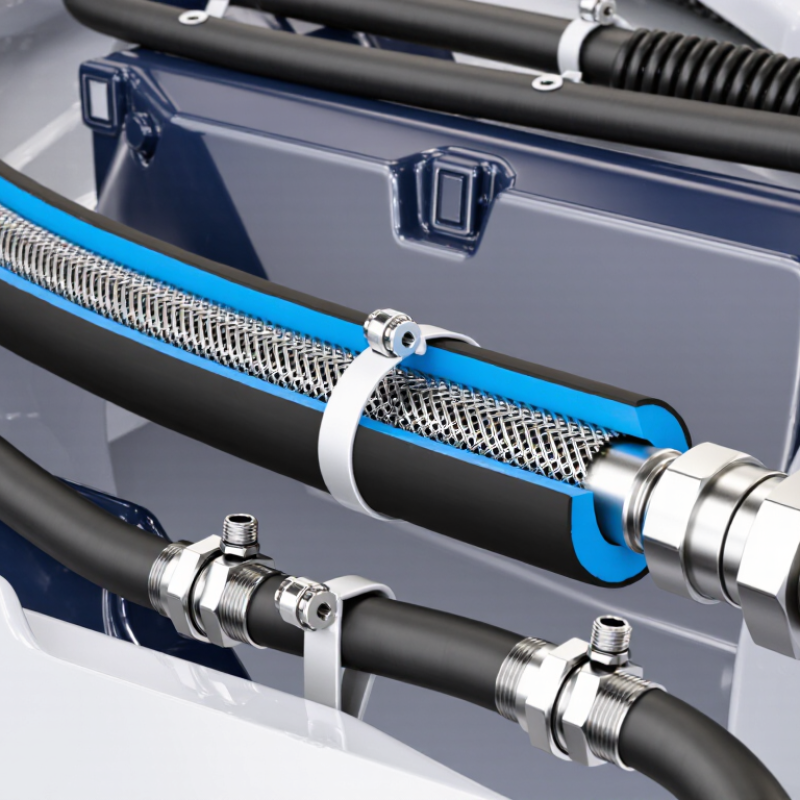
What Marine Flex Hose Is and How It Works
What Is the Best Marine Flex Hose for 2026?
What Marine Flex Hose Is and How It Works
A marine flex hose is a flexible conduit for carrying fluids or air aboard a vessel. Its inner tube contacts the conveyed material, while textile or wire reinforcement helps it withstand pressure. An outer cover guards against abrasion, moisture, and weather, though protection varies by hose type. Not every hose suits every job. Fuel, coolant, exhaust, and potable-water systems can require different materials and ratings.
Flex lets a hose route around tight spaces and absorb some engine vibration. It does not make poor routing safe. Sharp bends can restrict flow, and rubbing against a bulkhead may wear through the cover. Keep the hose supported, respect its bend radius, and use compatible fittings and clamps. Check the manufacturer’s limits for pressure, temperature, and fluid compatibility before installation. Small details matter.
It is easy to assume a thicker hose is always better. That can be wrong. A hose that is too stiff may stress its connections, while an unsuitable liner can degrade over time. Inspect for cracks, soft spots, bulges, leaks, and loose clamps. Replace damaged sections, and recheck connections after use. A quick glance is not a full inspection.
