
147 Mill Ridge Rd Suite 232
Lynchburg, Virginia 24502
Phone 757-982-3665

China Best Maize Flour Mill Machine Price?

The price of a Maize Flour Mill Machine in China can vary widely. Capacity is only one part of the cost. A compact mill for a small workshop differs greatly from a line designed for continuous commercial production. Motor power, grinding method, automation, and included equipment also affect a quotation. Even details such as the maize’s moisture level can influence the process and the final flour.

A useful comparison starts with the actual production needs. How many tons must the mill process each day? What fineness should the flour reach? Will the purchase include cleaning, peeling, sifting, packing, and installation equipment? These details help buyers compare offers on the same basis. Ask suppliers for a clear equipment list, expected output, power requirements, warranty terms, and spare-parts support. Requesting a sample test may also reveal how the machine handles your maize. Small details matter.

A low quotation can be attractive, but it may exclude freight, commissioning, or essential components. A higher price is not automatically better, either. Some specifications can sound impressive while adding little value to a particular operation. I have seen buyers focus on headline capacity and overlook daily maintenance needs; that comparison is incomplete. This guide explains the main factors behind China Maize Flour Mill Machine prices and offers practical questions to ask before requesting a quote. Use the information as a starting point, then confirm figures and specifications directly with the manufacturer.
China Best Maize Flour Mill Machine Price?

What Is a Maize Flour Mill Machine?

A maize flour mill machine is a set of equipment that converts maize kernels into flour of a chosen texture. It typically cleans the grain, removes stones and metal, adjusts moisture, then grinds and sieves it. The finished flour may be fine or coarse, depending on the screen size and milling settings. That matters. A small grinder and a commercial milling line may both be called maize mills, but their capacities and processes differ.

FAOSTAT’s 2022 crop production data records around 1.16 billion tonnes of maize produced worldwide. This scale helps explain why mills range from compact units for local processing to larger systems with separate cleaning, degermination, grinding, and sifting stages.

A buyer should look beyond the machine’s stated output: kernel moisture, flour fineness, power use, and maintenance needs affect real performance. The terminology is not always tidy. Some sellers use “maize flour mill” for equipment that produces whole-grain meal, while other systems remove part of the germ or bran. Asking for a sample flour and a clear process description can prevent a costly mismatch.

How Does a Maize Flour Mill Process Maize?

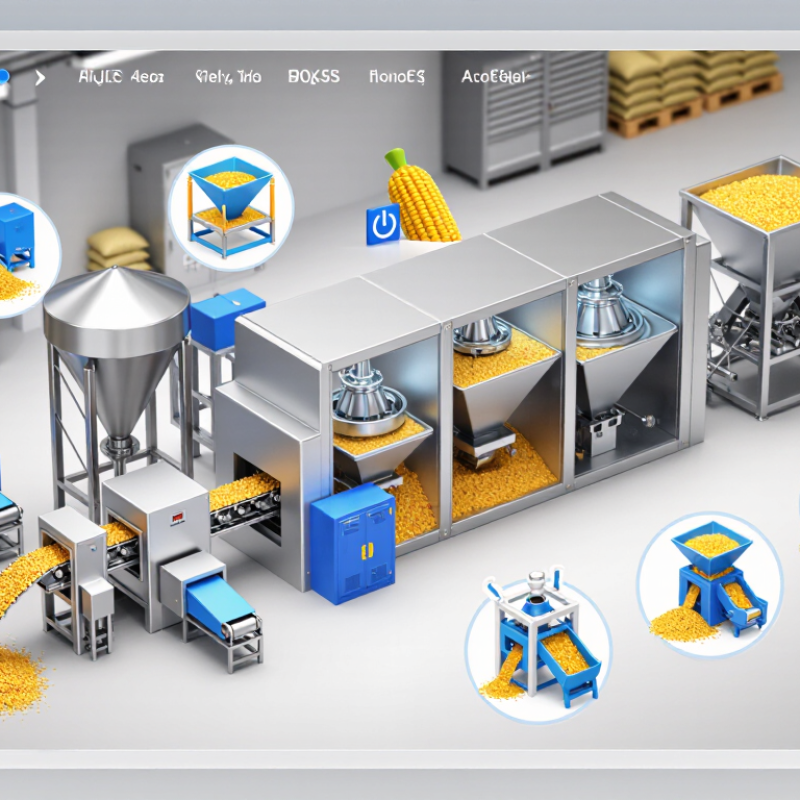
Maize flour milling begins with cleaning, not grinding. Screens remove stalks, dust, and small debris, while a destoner separates heavier stones. A magnet can catch ferrous fragments before they reach the rollers. Clean grain protects the equipment and improves flour consistency. It sounds simple. Yet poor cleaning can affect every step that follows.

The maize is then conditioned with a controlled amount of water and allowed to rest. This softens the outer layer and helps separate it from the kernel. In a degermination unit, the germ and bran are loosened; roller mills then reduce the endosperm into smaller particles. Plansifter screens sort the meal by size. Coarse material returns for another pass, while fine flour moves to storage or packing.

Operators check the texture, temperature, and flour yield during production. Exact settings depend on grain variety and moisture, so a fixed recipe may not work well everywhere. That matters. When comparing maize flour mill machine prices, buyers should consider cleaning, conditioning, grinding, and sifting capacity—not just the main mill. A lower purchase price may exclude useful stages, and that trade-off deserves careful review.

What Factors Affect Maize Flour Mill Machine Prices in China?

China Best Maize Flour Mill Machine Price?

What Factors Affect Maize Flour Mill Machine Prices in China?

There is no single best price. A maize flour mill’s cost depends on its capacity, equipment layout, and required flour texture. A compact mill for a small workshop needs fewer machines than a line with cleaning, dehulling, milling, and packing equipment. Capacity matters, but it is not the whole story. A larger motor may raise purchase and electricity costs.

Cleaning screens, stone removal, and moisture control can affect both price and flour consistency. Contact parts made from durable food-grade materials may cost more but can withstand frequent use. Automation also changes the quote: a basic manual setup is usually simpler, while automated feeding and controls may reduce routine labor. Small details matter. Installation, freight, spare parts, and local power requirements are easy to overlook.

Compare itemized quotations, not just headline prices. Ask what capacity means under actual maize conditions, and request expected output fineness and extraction rates. If possible, arrange a test using your own grain. A specification sheet may look complete, yet grain moisture or variety can change results. I would treat unusually low estimates cautiously, though a higher price alone does not prove better quality. Check what support and replacement parts are included before choosing.

China Best Maize Flour Mill Machine Price? - What Factors Affect Maize Flour Mill Machine Prices in China?

Machine Type or Pricing Factor Typical Specification or Effect Indicative Price Range (CNY) What to Check When Comparing Quotes
Small basic maize mill Approximately 30–100 kg of maize per hour; typically suited to household, farm, or small-shop use. ¥2,000–¥15,000 Confirm motor power, screen sizes, included accessories, and whether the quoted capacity is for maize input or finished flour.
Small commercial milling line Approximately 100–300 kg per hour; may combine cleaning, milling, and basic sieving. ¥10,000–¥50,000 Check which cleaning and separation units are included and whether the system supports the required flour fineness.
Medium-capacity processing line Approximately 300–1,000 kg per hour; usually uses multiple machines for cleaning, milling, and grading. ¥40,000–¥200,000 Compare the equipment list, rated throughput, power requirements, dust control, and installation scope.
Large-capacity processing line Approximately 1–5 tonnes per hour; commonly configured as a more integrated production line. ¥150,000–¥800,000 Price depends heavily on automation, building layout, storage and conveying equipment, and the number of processing stages.
High-capacity or customized plant More than 5 tonnes per hour, or a project requiring a tailored layout and process design. ¥500,000–¥2,000,000+ Request a detailed project quotation covering engineering, control systems, installation, commissioning, and any civil works separately.
Processing capacity Higher throughput generally requires larger or additional equipment and more powerful drives. Can substantially increase the total price Use the same capacity basis when comparing suppliers; actual output can vary with maize moisture, variety, and desired product.
Cleaning and impurity removal Basic screens cost less; systems with destoning, magnetic separation, or more complete cleaning add equipment and cost. Usually adds to the line price Specify the impurities to remove and identify each included cleaning machine in the quotation.
Flour fineness and product requirements Finer or more uniform flour may require additional milling, grading, or sieving stages. Varies by process configuration State the desired mesh or particle-size range and ask how the quoted line achieves it.
Automation and electrical controls Manual controls are generally less expensive than automated monitoring, interlocks, and centralized control panels. Can add a noticeable premium Check which functions are automated and whether the electrical components and control cabinet are included.
Material and construction Contact surfaces, frame design, and wear-resistant components affect durability and price. Depends on materials and component specifications Ask for material specifications, thickness where relevant, and details of parts subject to wear.
Installation, freight, and commissioning These costs depend on the destination, site conditions, line size, and service scope. Often quoted separately Confirm whether the price is ex-works, includes domestic delivery, or includes installation and commissioning.
Spare parts and after-sales support Initial spare-parts packages, training, and service arrangements can affect the purchase cost. Depends on the package selected Request a parts list, warranty terms, service response details, and the cost of commonly replaced components.

Price note: These are broad, indicative planning ranges in Chinese yuan (CNY), not live supplier quotations. They refer to equipment or line configurations that can differ in scope; freight, taxes, installation, civil works, and commissioning may be excluded. Confirm the process, capacity basis, included equipment, and delivery terms before comparing prices.

How Do Machine Types and Production Capacities Shape the Price?

China Best Maize Flour Mill Machine Price?

How Do Machine Types and Production Capacities Shape the Price?

Machine type determines what the quoted price includes. A compact hammer mill may suit a farm or small shop, while a roller-milling line adds cleaning, conditioning, sifting, and sometimes degermination equipment. Each added stage means more machinery, installation work, and maintenance. Capacity changes everything. A machine rated for 100 kilograms per hour is not comparable with a line processing several tonnes per hour.

Production figures help explain the range of equipment available, but they are not price lists. FAOSTAT records about 1.16 billion tonnes of maize produced worldwide in 2022. The USDA Foreign Agricultural Service’s January 2025 Grain: World Markets and Trade report forecast roughly 1.2 billion tonnes of global corn production for 2024/25. These figures describe a large, varied supply chain—not the cost of a particular mill. A high-capacity line may cost more upfront, yet its cost per tonne can fall when it runs steadily.

Ask suppliers to state capacity for your maize and target flour fineness, not just a headline figure. Request an itemized quote covering motors, sieves, dust control, installation, and spare parts. Check power use and expected output with your local grain; moisture and hardness affect performance. A quote can still mislead. I would compare usable daily output, not the largest number on a brochure.

What Should Buyers Compare Before Choosing a Maize Flour Mill?

Choosing a maize flour mill involves more than finding the lowest price. Compare its rated output with your daily production needs, and check the conditions behind that figure. Capacity can change with maize moisture, feed rate, and the flour fineness you require. A catalog number may look convincing, yet still disappoint if it was measured with different grain.

Ask what sieve sizes are included and whether operators can adjust them easily. Check motor power, expected energy use, dust control, and access to wear parts such as hammers or screens. Request a written quotation that separates the machine price from transport, installation, and training. If possible, provide a small maize sample and ask for a test run. Inspect the flour texture and look for uneven particles. It is easy to overlook these details when comparing prices.

Tips: Compare the same output target and flour grade across suppliers. Ask how capacity was tested, and confirm service response times in writing. Leave room in your budget for routine screen replacement. That cost is easy to underestimate.