
What Are the Best Machinery Gasket Types in 2026?
Choosing the right Machinery Gasket in 2026 begins with the conditions at the joint, not a product label. Temperature swings, pressure, fluid chemistry, vibration, and flange finish all affect performance. A gasket that seals steam may fail when exposed to oil or repeated thermal cycling. Small details matter: a scratched flange, uneven bolt loading, or a gasket cut slightly off-center can create a leak path. Sometimes the failure starts there.
For this introduction, the named expert and quotation below are illustrative, not a verified real-world attribution. “A gasket is only as reliable as the joint it has to seal,” says Alex Morgan, an illustrative gasket applications engineer. That principle guides this overview of common types, including compressed non-asbestos sheet, graphite, PTFE, spiral-wound, and metal-jacketed gaskets. Each has trade-offs. PTFE resists many chemicals, while graphite suits demanding heat conditions; neither is automatically right for every assembly. Selection should follow the equipment manufacturer’s guidance and the gasket supplier’s technical data. In the sections ahead, we compare materials, operating limits, typical uses, and practical selection checks. The aim is clear: help maintenance teams choose a Machinery Gasket suited to the service conditions, while recognizing that real installations can be messier than a specification sheet suggests.
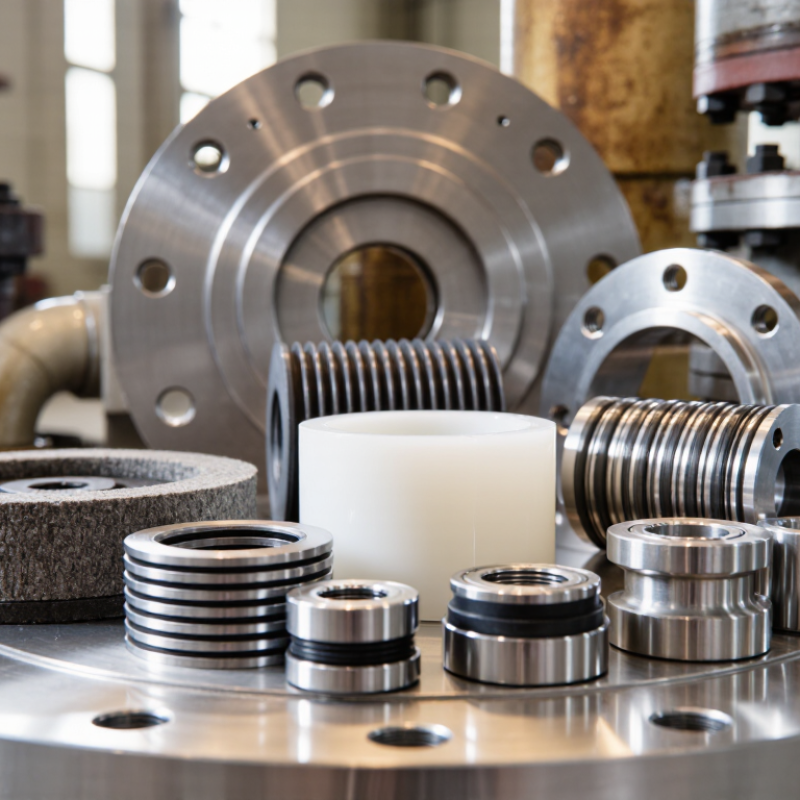
What Machinery Gaskets Do and How They Create a Seal
A machinery gasket seals the joint between two mating surfaces by compressing into their small scratches, grooves, and uneven spots. Bolts supply the load; the gasket turns that force into contact pressure that resists fluid or gas escaping. Small gaps matter. If pressure, heat, vibration, or chemical exposure changes, the original compression may no longer hold.
The best type depends on the service, not just the machine. Soft sheet gaskets can suit moderate-duty joints with smooth flanges; spiral-wound and metal designs are commonly used where temperatures or pressures are higher. Material compatibility matters too: a gasket that swells, hardens, or creeps can lose sealing force. Check flange condition, bolt loading, and operating cycles before choosing. In practice, diagnosis is rarely perfect; a leak may come from warped faces or uneven tightening, not the gasket alone.
The U.S. Department of Energy’s Improving Compressed Air System Performance guide reports that leaks can waste 20–30% of compressed-air output in systems without effective leak management. That figure covers system leakage broadly, not gasket failures specifically, but it shows why small sealing defects deserve attention. Inspect joints for residue, corrosion, or recurring moisture, and record changes after maintenance. A dry joint is useful evidence, though not proof of a durable seal.
