
Who Is the Best Lead Glasses Supplier in China?
Choosing a Lead Glasses supplier in China is not just a matter of comparing prices. These products are used in settings where clear vision and dependable radiation shielding both matter. A small flaw in optical clarity, fit, or product documentation can create questions during procurement. Details matter.
This guide explores what buyers should examine when searching for the Best Lead Glasses Supplier. It considers product specifications, available sizes, frame options, manufacturing quality controls, and the clarity of technical documents. Buyers should also ask how shielding performance is measured and whether test records match the exact product being quoted. A brochure alone may not answer that.
Experience shows that useful supplier conversations get specific. Share the intended application, required dimensions, installation conditions, and applicable project standards. Then compare responses, not just catalog photos. Ask about inspection steps, sample availability, packaging, lead times, and how changes are handled. Small details, like edge protection in a shipping crate, can matter when glass arrives on site.
There is no single supplier that fits every project. Some buyers prioritize custom dimensions; others need repeatable specifications and responsive communication. Even an impressive first reply deserves a second look. I would avoid treating a low price or polished website as proof of quality. Verify claims with current documents and, where appropriate, independent testing. Requirements differ by location and application, so confirm them with qualified professionals before purchasing. A careful comparison can reveal the right partner, though it may take more than one call.
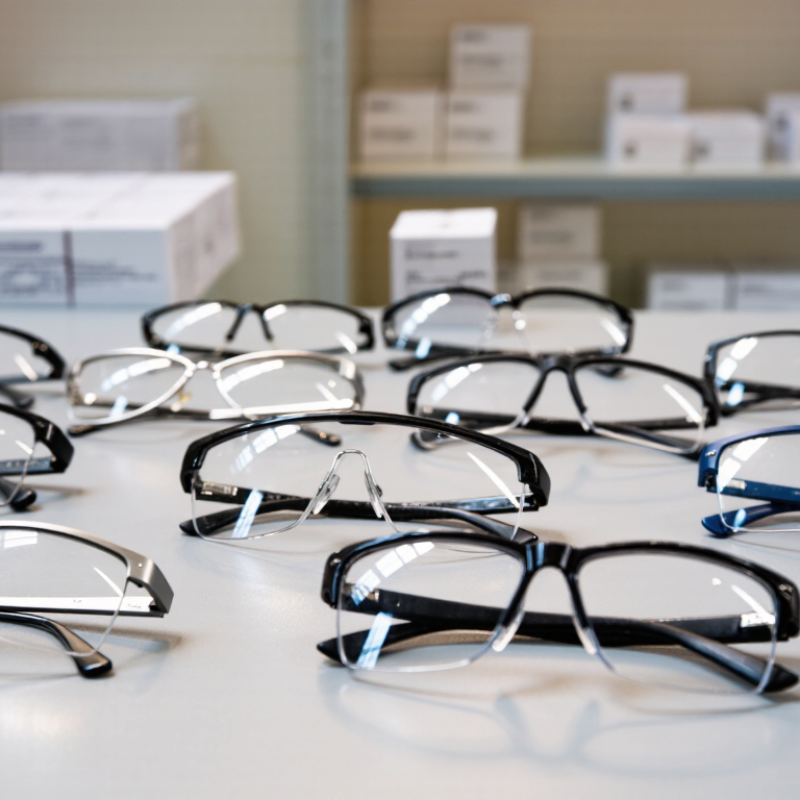
What Lead Glass Is and Why It Is Used
Lead glass is a specially formulated glass containing lead oxide. Its exact composition varies by application. The lead raises the material’s density and refractive index, giving it useful optical and shielding properties. It can look clear, but it is heavier than ordinary glass. That matters.
In radiation-shielding windows, lead glass can reduce exposure to X-rays or gamma rays while allowing operators to see equipment and work areas. It is used in settings such as imaging rooms and research facilities. The required thickness depends on the radiation energy and the intended level of protection; appearance alone cannot confirm performance. A qualified supplier should provide technical data for the specific glass, including its shielding rating and dimensions. Installers also need to account for weight, since a large panel may require a reinforced frame.
Not automatically.
Lead glass is not a universal substitute for every protective window. Optical clarity, tint, surface quality, and edge finish can differ between formulations. These details affect visibility and installation. It is easy to focus only on lead content, but that number alone does not establish whether a panel suits a particular setup. Check the application requirements and have the design reviewed by a radiation-protection professional.
