
10 Best Inline Duct Fan Motors for Global Buyers
Choosing the 10 Best Inline Duct Fan Motors for Global Buyers starts with more than comparing advertised airflow. An Inline Duct Fan Motor must suit the duct diameter, required static pressure, operating hours, and installation environment. A mismatch can mean weak airflow, excess noise, or avoidable energy use.
The International Energy Agency’s 2024 Global Status Report for Buildings and Construction estimates that buildings and construction account for about 32% of global energy demand and 34% of energy- and process-related CO₂ emissions. Those figures cover much more than ventilation, but they underline why efficient building systems matter. For buyers, motor efficiency is only one part of the decision. Check performance curves, speed control, sound ratings, service access, voltage, and the manufacturer’s test documentation. Small details matter. A fan that performs well in a catalog may behave differently in a long, restrictive duct run.
This guide compares ten options through practical selection criteria, including airflow under pressure, motor design, durability, and suitability for different applications. It also considers regional power requirements and the availability of replacement parts, which can affect long-term ownership costs. Specifications are useful, not perfect. Published ratings may come from different test conditions, so direct comparisons deserve caution. Buyers should confirm installation requirements with current product data and qualified ventilation professionals before purchasing.
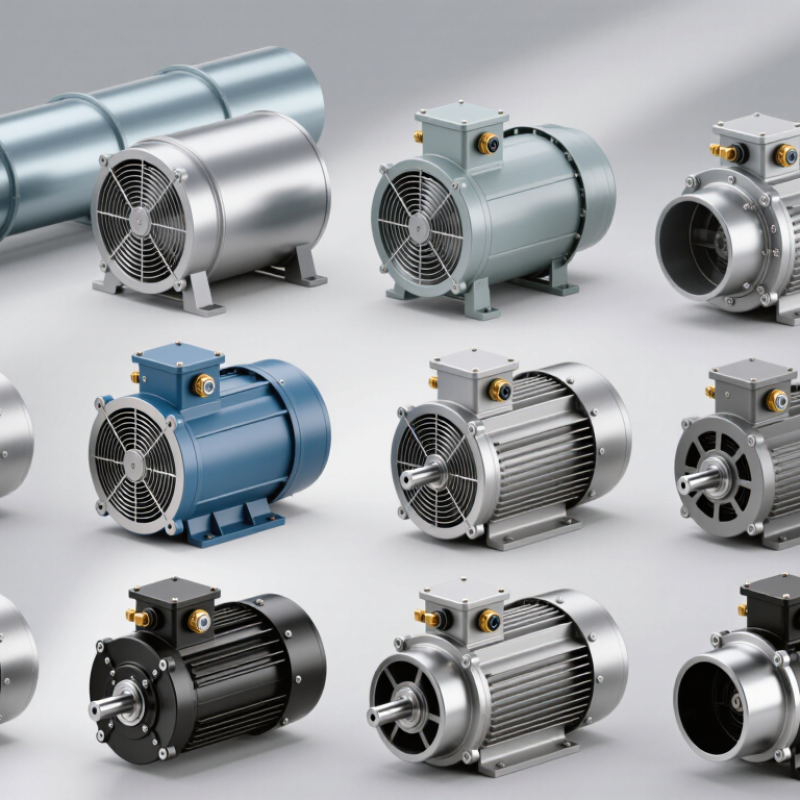
How Inline Duct Fan Motors Work and Where They Are Used
An inline duct fan motor turns an impeller inside a short housing fitted directly into ductwork. As the blades rotate, they create a pressure difference that moves air through the system. The motor may use alternating current or electronically commutated technology; speed control and efficiency vary by design. The fan’s airflow rating alone does not tell the whole story. Duct length, bends, filters, and grilles all add resistance.
These fans appear in homes, workshops, offices, and light commercial buildings. A bathroom unit can help remove humid air, while a larger installation may support fresh-air supply or exhaust from a work area. Installers often place the fan in an accessible ceiling void or service space. Keep enough room around it for inspection and maintenance. Noise matters, too. A fan that sounds quiet on a bench may hum through a poorly supported duct.
Choosing a motor means matching its performance to the actual system, not just the duct diameter. Check airflow at the expected static pressure, electrical requirements, speed-control compatibility, and operating temperature. For example, a long duct with several tight elbows may need more pressure capability than a short, straight run. It is easy to overlook vibration; flexible connectors and secure mounting can help, but they do not fix every installation problem. Real systems can be messier than the drawings.
