
What Is the Best Injection Molding Equipment in 2026?
In 2026, the best Injection Molding Equipment is not automatically the newest or fastest machine. It is the system that fits the part, material, mold, production volume, and available technical support. A packaging plant running millions of thin-wall parts has different needs from a shop molding small, high-tolerance components. The difference shows up on the factory floor: in cycle times, scrap bins, energy bills, and how reliably parts release from the mold.
John Beaumont, an injection-molding specialist and author on molding systems, offers a useful principle, paraphrased here: “A stable molding process depends on the machine, mold, material, and process working together.” It is a practical reminder, not a verbatim quotation. A buyer comparing all-electric, hydraulic, and hybrid presses should look beyond headline clamp force. Check shot-size range, repeatability, platen dimensions, control functions, energy use, and service access. Ask how the machine handles your actual resin and mold—not only a polished demonstration.
Details matter. A press that fits the budget may still struggle with a long cooling cycle or an awkward mold change. That matters. So does operator training. Even efficient equipment can disappoint when setup knowledge is thin. There is no universal winner, and a simple comparison chart may hide real production constraints. This guide examines the leading equipment types and the criteria that help manufacturers choose well in 2026. It also considers automation and lifecycle costs, while leaving room for an uncomfortable question: is a new machine truly needed, or would process improvements solve more?
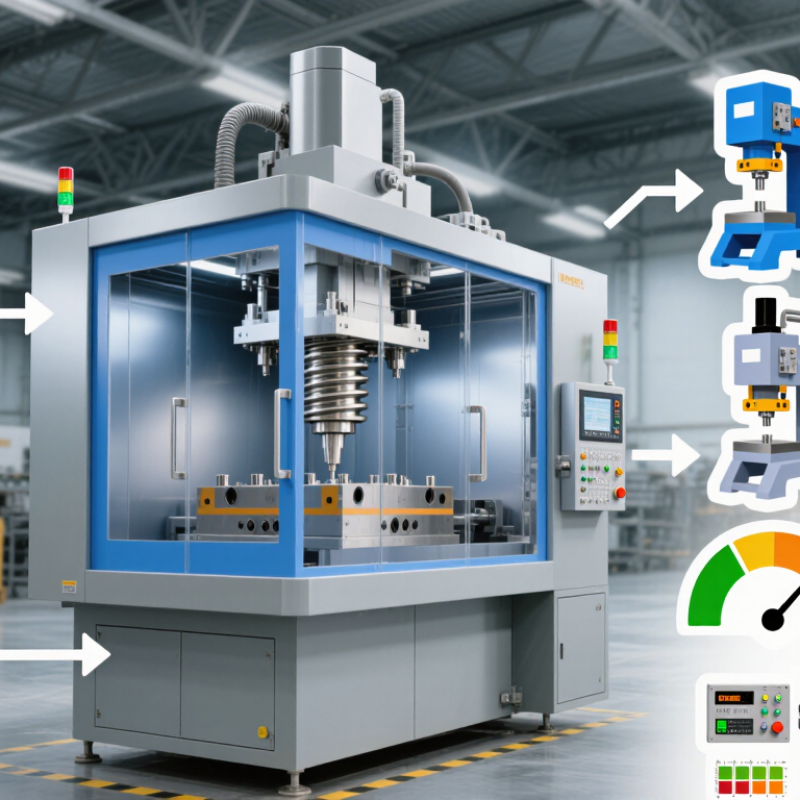
How Injection Molding Works: The 4 Stages of a Typical Molding Cycle
What Is the Best Injection Molding Equipment in 2026?
How Injection Molding Works: The 4 Stages of a Typical Molding Cycle
Injection molding turns heated plastic into repeatable parts through four linked stages: clamping, injection, cooling, and ejection. The process sounds simple. Small changes in pressure, temperature, or timing can still leave visible defects. Grand View Research estimated the global injection molding market at USD 284.7 billion in 2023, reflecting the process’s broad industrial use.
During clamping, the machine closes the mold and holds it shut against injection pressure. A rotating screw then melts and meters plastic pellets before pushing the measured shot into the cavity. Packing pressure follows, helping compensate for shrinkage as the material cools. Too little pressure can create sink marks; too much may cause flash along the mold split. The details matter.
Cooling often takes the largest share of the cycle, especially for thick-walled parts. Mold channels carry coolant, while heat escapes through the steel. Once the part is firm enough, the mold opens and ejector pins push it free. Circular pin marks can remain. Operators adjust cooling time carefully: early ejection risks warping, but extra cooling reduces output. PlasticsEurope reported 413.8 million tonnes of global plastics production in 2023; that scale makes cycle efficiency important, though each resin and part needs its own settings. There is no universal “best” cycle.
