
10 Best Industrial Panel PCs for Global Buyers
Selecting the right Industrial Panel Pc can shape an entire production line. A bright screen, sealed enclosure, and responsive touch panel matter when operators work beside dust, oil, vibration, or constant heat. Global buyers also need dependable supply, clear documentation, and support that continues after installation.
This guide examines ten industrial panel computers for factories, warehouses, energy sites, transportation systems, and other demanding environments. The evaluation considers display visibility, processor performance, operating-system compatibility, mounting options, ingress protection, connectivity, and long-term serviceability. It also looks at practical details, such as whether gloved workers can operate the screen and whether the ports remain accessible inside a crowded control cabinet.
Experience shows that impressive specifications do not always guarantee reliable operation. A powerful processor may create unnecessary heat. A low-cost panel may become expensive after repeated replacements. Regional voltage standards, language requirements, warranty terms, and delivery times can also change the buying decision. These details are easy to overlook.
No ranking is perfect. Application conditions differ. A food-processing plant may prioritize washable surfaces, while a warehouse may need barcode integration and sunlight-readable displays. Buyers should verify current certifications, environmental ratings, software support, and vendor claims before ordering. The following selections provide a practical starting point, not a substitute for site testing. When possible, request a sample unit and test it during real shifts. That small step can reveal weak touch response, glare, connector limitations, or mounting problems before they affect production.
Industrial Panel PCs: Definition, Core Functions, and Industrial Applications
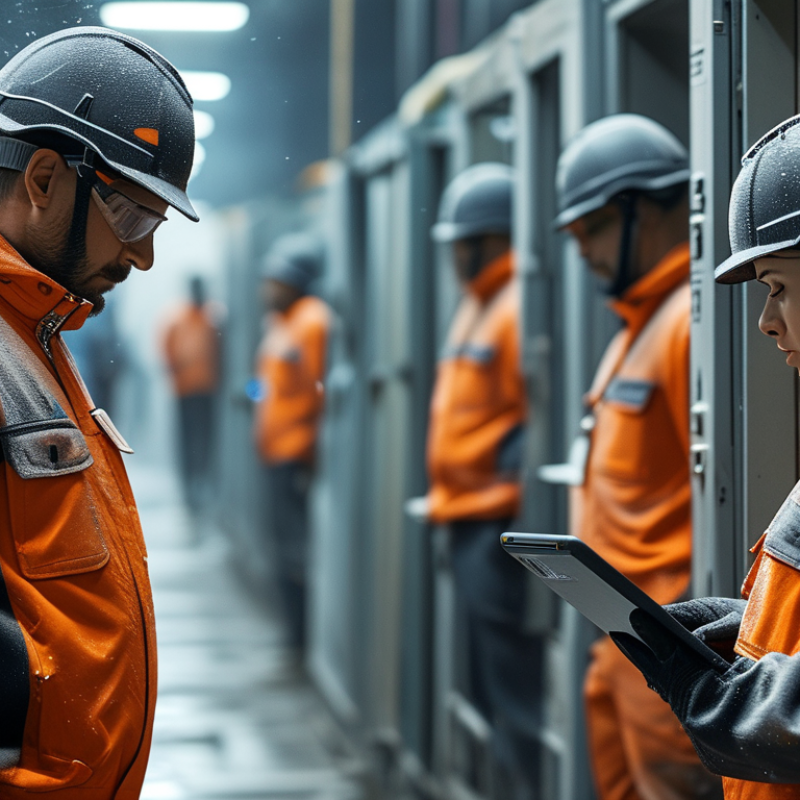
An industrial panel PC combines a display, computer, and control interface in one rugged enclosure. It is designed for factories, warehouses, energy sites, and transport facilities. Unlike office computers, it tolerates vibration, dust, humidity, and extended operating hours. Its touchscreen may support gloves, while a sealed front panel simplifies cleaning. Enclosure ratings, operating temperature, and mounting options should match the actual site conditions.
Core functions include machine monitoring, data visualization, operator input, and equipment control.
Common interfaces include Ethernet, USB, serial ports, and digital I/O. Some systems also support barcode scanners, cameras, and industrial communication protocols.
Processing capacity matters when the panel runs multiple dashboards or collects sensor data. Storage reliability matters even more when production records must remain available. A careful buyer should verify software compatibility, service access, and expected product availability.
In manufacturing, panel PCs display production rates, alarms, maintenance prompts, and quality measurements beside the line.
In logistics centers, they connect with scanners and warehouse software at packing stations.
Water treatment operators use them to observe pumps, valves, and chemical readings from a central interface.
Field installations may require sunlight-readable screens and wider temperature ranges.
No panel PC is perfect. Heat, glare, gloves, and poor network design can still reduce usability. Testing a sample in the real environment often reveals weaknesses that a specification sheet misses.
