
Which Is the Best Hydraulic Cutting Machine in China?
Choosing the best Hydraulic Cutting Machine in China is not a matter of comparing price tags alone. The right machine must match the material, cutting area, required force, and daily production volume. A workshop cutting rubber sheets has different needs from a factory processing thick leather or foam. Look closely at the frame, hydraulic system, blade guidance, safety controls, and access to replacement parts. These details shape accuracy and uptime.
The basic engineering principle comes from Blaise Pascal, the French mathematician and physicist whose work explains hydraulic pressure. Pascal’s principle states: “Pressure applied to an enclosed fluid is transmitted equally in all directions.” That idea explains how a compact hydraulic system can deliver substantial cutting force. In practice, though, a principle is not a performance guarantee. A poorly matched pump, unstable frame, or inconsistent material feed can still cause uneven cuts.
Small details matter.
This guide compares Chinese hydraulic cutting machines by application, specifications, build quality, and supplier support. It also considers what buyers can verify: sample-cut results, machine documentation, service response, and clear warranty terms. Ask for a demonstration using your actual material, not just a clean sample prepared for a showroom. Check the cut edge. Listen for unusual pump noise. Measure repeatability across several cycles.
There is no single best machine for every buyer. That answer depends on production conditions, and it can change as those conditions change. Some specifications may look impressive on paper but prove less useful on the factory floor. A careful comparison helps separate practical value from attractive claims.
What Is a Hydraulic Cutting Machine and How Does It Work?
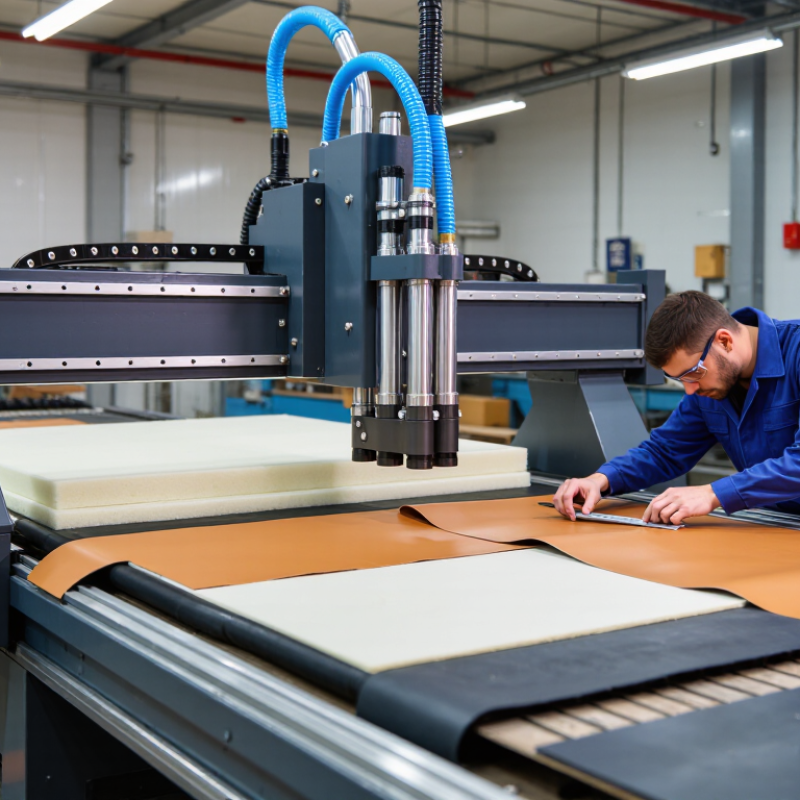
A hydraulic cutting machine uses pressurized oil to move a cutting head or platen with controlled force. A pump sends oil into a cylinder, pushing a piston and lowering the tool. The blade or die then cuts material placed on the worktable. Simple in principle.
Operators position the material, select suitable pressure and stroke settings, and activate the cutting cycle. Controls differ by machine, so the manual and hands-on training matter. Too much force can crush soft stock; too little may leave fibers connected. Clean oil and intact hoses help maintain steady operation. Test cuts are useful, though they can waste material when setup is rushed.
For buyers comparing machines made in China, “best” depends on the material, cut size, and daily workload. Check rated cutting force, working area, stroke adjustment, and available safety features against your actual production needs. Ask for clear specifications and, where possible, a sample cut using your material. A machine that performs well on one substrate may produce uneven edges on another. Even experienced operators may need to revise settings after a material change.
