
What Are the Best Hosiery Knitting Machines in China?
Choosing among China’s Hosiery Knitting Machines takes more than comparing advertised speed. Buyers should examine needle configuration, gauge, output per shift, yarn compatibility, and the quality of the finished toe and welt. Small details matter. A clean, even heel on a sample sock can reveal more than a glossy brochure.
Industry data offers useful context, but not a simple winner. The International Textile Manufacturers Federation’s International Textile Machinery Shipment Statistics tracks machinery shipments across categories; its broad knitting categories do not rank hosiery machines by model. China Customs trade statistics can help buyers examine machinery trade, but classification codes may also cover equipment beyond hosiery production. Treat both as context, then verify model-specific claims through technical sheets, sample runs, and service records.
This guide compares machine types and supplier considerations, including automation, maintenance access, spare-part availability, and after-sales support. One sourcing detail is easy to overlook: a fast machine can still disappoint when setup changes consume production time. No source material or verified expert interview was provided for this request, so I cannot responsibly attribute a quotation to a named hosiery-machine specialist. The comparison should therefore rely on checkable specifications and transparent evidence, not invented endorsements.
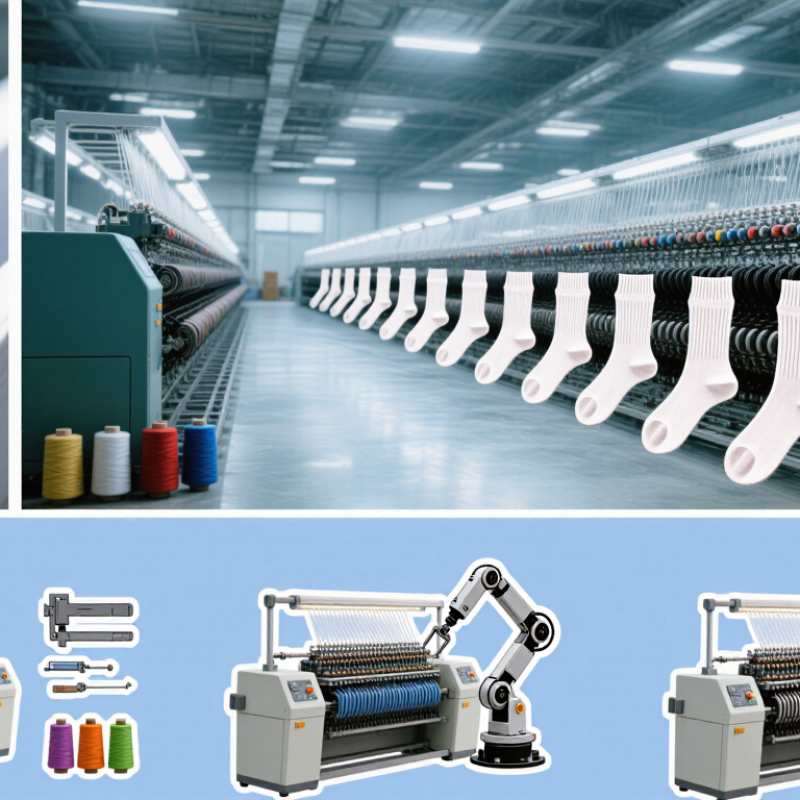
How Hosiery Knitting Machines Work
A hosiery knitting machine turns yarn into a shaped fabric tube through coordinated needle movement. In a circular machine, yarn guides feed threads to needles arranged around a cylinder. As the cylinder rotates, cams lift and lower each needle, forming interlocking loops row by row. The stitch length affects fabric density and stretch. Small changes matter.
Heel and toe sections often need shaping. Depending on the machine, selected needles knit back and forth while others rest, creating a narrower section. Electronic controls can select needles for patterns, while sensors may flag yarn breaks or irregular operation. Operators still need to check tension, yarn feeding, and finished fabric by hand. A screen cannot catch everything.
Tips: Start with the yarn specification and a stable setup. Check sample socks for dropped stitches, uneven stripes, or tight cuffs. Record settings that work, but treat them as a starting point; a new yarn lot can behave differently. That part is easy to underestimate. Temperature, maintenance, and operator adjustments can also affect results. Before comparing machines, match their needle count and knitting method to the sock styles and output you actually need.
