
What Is the Best Home Car Charging Station in 2026?
A Home Car Charging Station can make daily electric driving simpler, but the best choice depends on your vehicle, home wiring, and routine. The International Energy Agency’s Global EV Outlook 2025 reports that electric car sales exceeded 17 million worldwide in 2024, reaching more than one in five new cars sold. That growth makes home charging a practical decision for many households—not just a technical upgrade.
Small details matter. A Level 2 charger may replenish a typical car overnight, but charging speed depends on the vehicle’s onboard charger, circuit capacity, and installation. The U.S. Department of Energy’s Alternative Fuels Data Center explains that charging equipment and vehicle limits shape actual charging performance. A higher advertised kilowatt rating cannot override a car’s own charging limit. Nor does a smart app help much if the Wi-Fi signal fails in the garage. It happens.
This guide compares the features that affect everyday use: charging output, connector compatibility, cable reach, weather protection, smart controls, warranty, and installation requirements. It also considers independent safety certification and the total cost, rather than focusing on a low purchase price alone. No single model suits every driveway. A renter with shared parking has different needs from a homeowner who parks beside a dedicated circuit. The recommendations that follow weigh documented specifications and practical trade-offs, while noting where manufacturer claims need closer scrutiny. A little skepticism is useful.
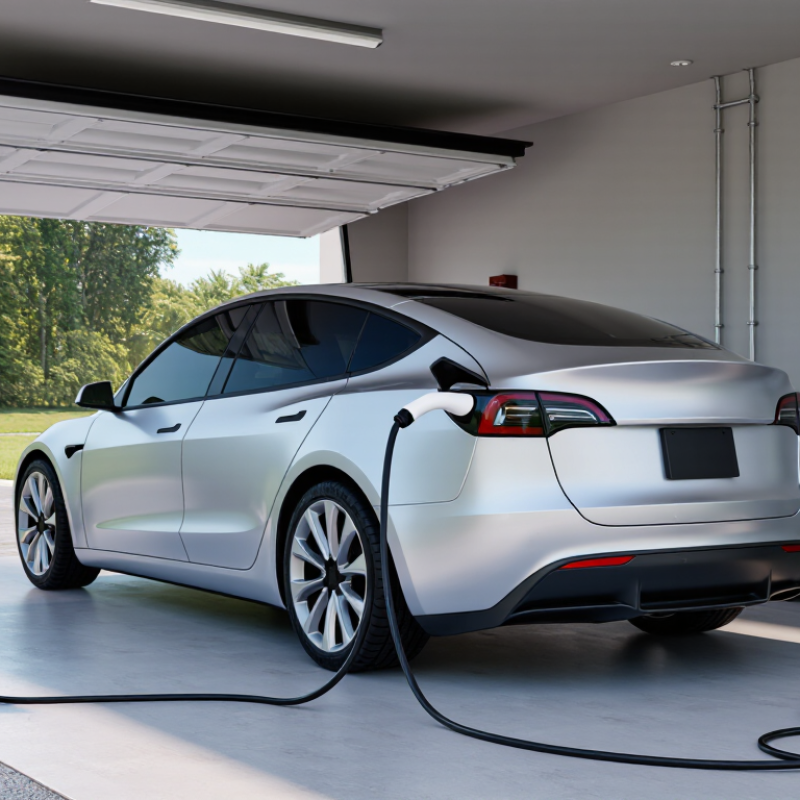
How Home EV Charging Stations Work
What Is the Best Home Car Charging Station in 2026?
How Home EV Charging Stations Work
A home charging station is more accurately called electric vehicle supply equipment, or EVSE. It does not usually convert household electricity into battery power. Instead, it safely delivers alternating current to the vehicle, whose onboard charger converts it into direct current for the battery. A communication signal checks that the cable is connected and charging can begin. Think of it as a controlled link between your electrical panel and the car. Not magic.
The U.S. Department of Energy’s Alternative Fuels Data Center reports that Level 2 charging typically adds about 10–20 miles of driving range per hour. Actual speed depends on the vehicle, charging equipment, circuit capacity, and temperature. That range is useful, but it is not a promise: a cold evening or nearly full battery can change the rate. Before choosing a station, check your car’s maximum AC charging rate and the available electrical capacity. A qualified electrician can assess the circuit and installation location; a nearby outlet does not automatically mean it can support continuous charging.
Tips: Place the unit close to where the charge port reaches, and keep the cable clear of walkways. Compare charging schedules and energy tracking features only if you will use them. Small detail, big convenience. Recheck the cable and connector periodically for visible wear.
