
How to Choose the Best Handheld Portable UV Lamp in 2026
Choosing a Handheld Portable Uv Lamp in 2026 takes more than comparing prices or advertised power. The market is expanding: MarketsandMarkets’ UV Disinfection Equipment Market report projected growth from approximately US$4.1 billion in 2023 to US$9.2 billion by 2028. That industry forecast signals rising interest, not proof that every small lamp performs as claimed. Check the product’s wavelength, measured output, exposure distance, and recommended treatment time. Details matter.
The World Health Organization places UV-C between 100 and 280 nanometres. That range is commonly discussed for disinfection, but effectiveness depends on delivered dose and the target surface. A lamp held several centimetres away may not treat a shaded seam or textured case evenly. Nor should a glowing indicator be mistaken for verified performance. Look for independent test results, clear operating instructions, and photobiological safety information aligned with IEC 62471. Protect eyes and skin, and never direct UV-C toward people or animals. Small devices still deserve careful handling.
A useful comparison should also separate surface-treatment claims from air or water applications. They are not interchangeable. Some advertising makes this sound simpler than it is. This guide will examine the specifications, evidence, safety features, and practical limits that help identify a suitable Handheld Portable Uv Lamp. The best choice is the one whose documented performance fits a specific task, not the one with the boldest promise. I would still question any claim that omits test conditions; that gap can change what the numbers mean.
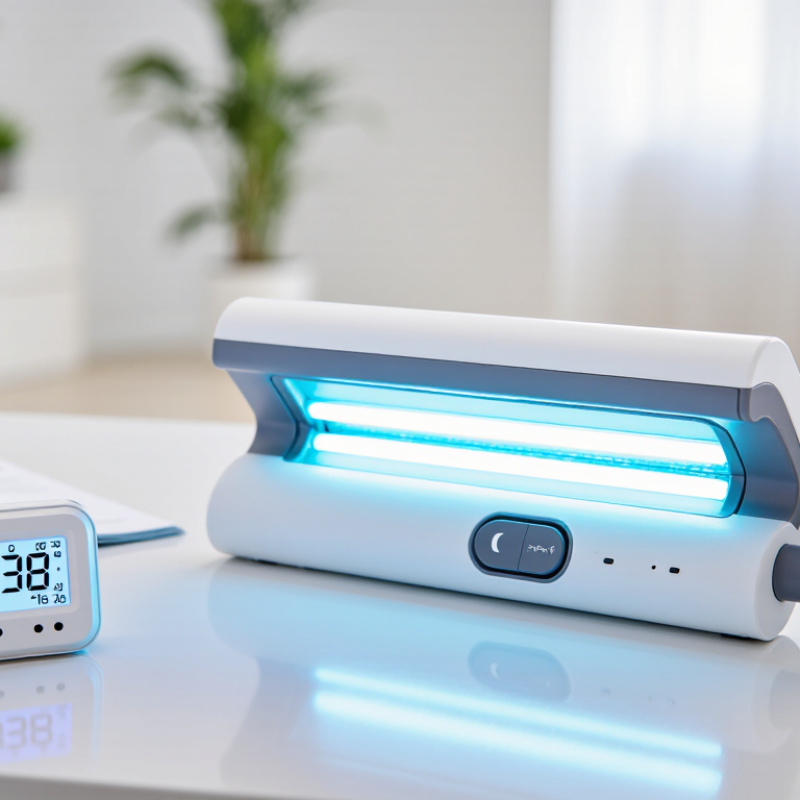
Understand How Handheld Portable UV Lamps Work and Where They Are Used
How to Choose the Best Handheld Portable UV Lamp in 2026
Handheld UV lamps work by directing ultraviolet light onto a surface or object. The International Ultraviolet Association places UV-C within the 200–280 nanometer range. UV-C is used for germicidal applications, while UV-A lamps are often used to reveal fluorescent stains or materials. Check the wavelength before buying; “UV lamp” alone does not tell you what the device is designed to do.
Effectiveness depends on delivered dose, not a product’s headline claim. CDC guidance on ultraviolet germicidal irradiation notes that exposure, distance, and placement matter. A shadow beneath a handle can leave part of a surface untreated. These lamps may suit small, hard surfaces, but they do not remove dirt. FDA’s 2020 safety notice warns that some UV wands can harm eyes or skin after only seconds of exposure. That risk deserves more attention than it often gets.
Tips: Look for wavelength and irradiance specifications, clear operating instructions, and a protective shutoff. Keep the beam away from skin and eyes, and follow the manufacturer’s exposure guidance. Test cautiously; real surfaces are rarely as simple as a lab setup.
