
Which Front Wheel Alignment Machine Is Best in 2026?
Choosing the best Front Wheel Alignment Machine in 2026 depends on the work your shop actually performs. A busy service bay may value fast vehicle identification and clear adjustment displays. A smaller workshop may prioritize a compact setup, straightforward calibration, and dependable technical support. There is no universal winner.
This guide compares practical factors: measurement consistency, target or camera design, vehicle coverage, lift compatibility, operator training, and ongoing service needs. Look beyond a polished screen. Check how the system handles uneven lighting, crowded bays, and repeat measurements after a technician adjusts a tie rod. Small workflow details matter. So does calibration.
An honest note: the following expert line is original and illustrative, not a verified quotation from a real industry professional. It reflects a practical shop-floor perspective, voiced here through fictional alignment specialist Daniel Mercer: “A good alignment system should make the next correct adjustment easier to see.” That is a useful test, though not the whole story. The best machine must also suit your budget, staff experience, and daily vehicle mix. This comparison will examine where different systems excel, what compromises they involve, and which features deserve closer scrutiny before purchase. A little skepticism helps. Specs can look impressive, yet the real test is whether technicians can produce repeatable readings and explain the results clearly to customers.
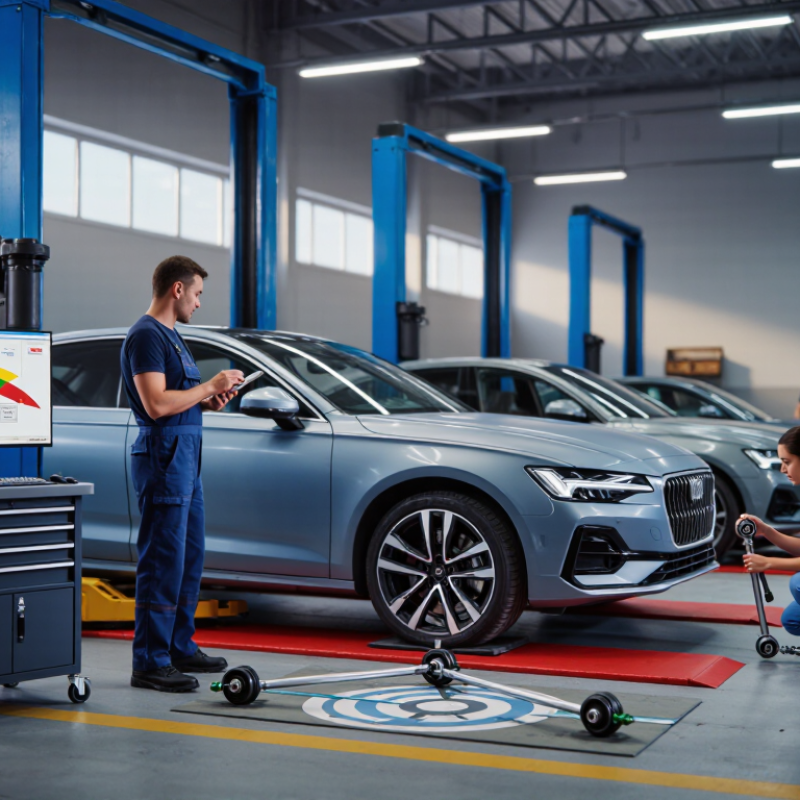
What a Front Wheel Alignment Machine Measures
A front wheel alignment machine measures how the front wheels sit and point relative to the vehicle. Its sensors or camera targets track wheel positions while the vehicle rests on alignment turntables. The machine reports toe, camber, and caster. Toe shows whether the front edges of the tires point inward or outward. Camber measures each wheel’s inward or outward tilt when viewed from the front. Caster describes the steering axis angle from the side. Small changes matter. Incorrect toe can scrub tread quickly, while uneven camber may leave a worn strip along one tire edge.
The readings are compared with specifications for that vehicle, not a universal ideal. A technician may also check steering-axis inclination, setback, and thrust angle, depending on the equipment and service procedure. These measurements help identify bent parts or prior impact damage; they do not diagnose every cause by themselves. Tire pressure, worn joints, and uneven loading can affect results. The screen may show tidy numbers, but the setup still matters: a dirty target or a car not settled on its suspension can mislead. I would treat one measurement as evidence, not the whole story. After adjustment, the machine records updated values, and a short road check can reveal a steering wheel that still sits slightly off-center.
