
What Is the Best Frame Hydraulic Press from China?
Choosing the best frame hydraulic press from China is not a brand-name exercise. It is a fit between the machine, the workpiece, and the production floor. A press that looks impressive in a catalog may still disappoint if its throat depth is too small, its daylight is awkward, or its frame flexes under repeated loads.
Compare more than rated tonnage. Ask suppliers for the working pressure, stroke, opening height, table dimensions, and control options. Look closely at the frame design and weld quality. Request drawings, inspection records, and a clear description of factory testing. A useful specification sheet should answer practical questions, not hide them in polished photos.
Small details matter. Can the operator load a wide plate without reaching around guards? Does the ram return smoothly? Is the electrical cabinet easy to inspect? These points can shape daily output. They are easy to overlook.
There is no universal winner. A workshop forming small brackets needs different capacity and tooling from a factory handling large components. Even experienced buyers can misjudge a machine from specifications alone; an in-person inspection or independent acceptance test may reveal issues that paperwork misses.
A verified quotation from a named frame hydraulic press specialist would strengthen this introduction, but no source was supplied. Rather than invent an expert or attribute words falsely, this guide focuses on checkable selection criteria. Compare suppliers on evidence, service support, and how clearly they explain the machine’s limits. That is a better starting point than choosing the lowest price.
What Is a Frame Hydraulic Press?
What Is a Frame Hydraulic Press?
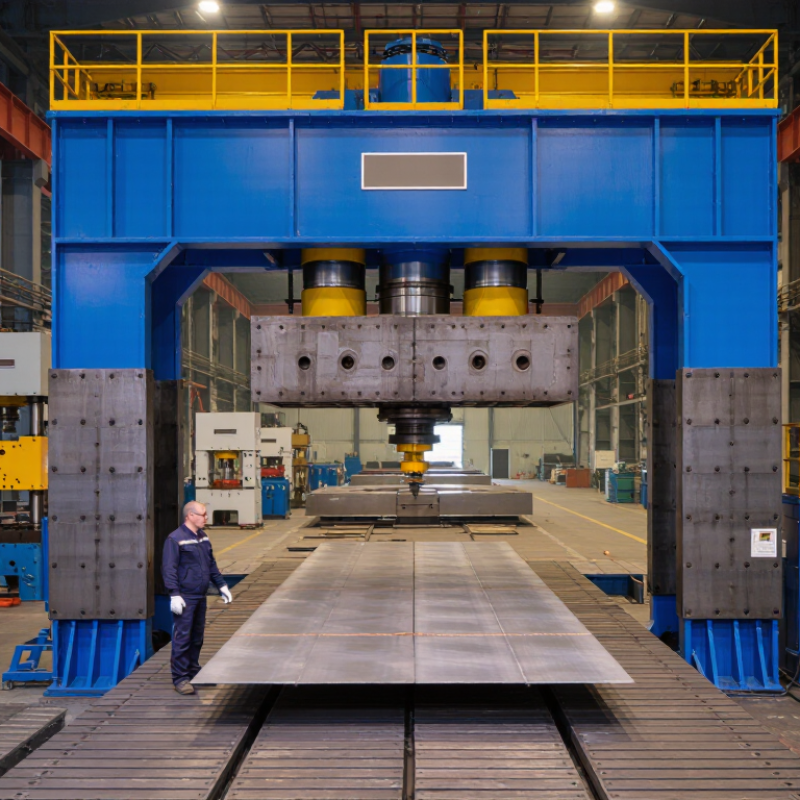
A frame hydraulic press uses hydraulic pressure to move a ram and apply force to a workpiece. Its frame supports the cylinder, bed, and tooling while resisting the load created during pressing. Common designs include C-frame and H-frame layouts, each offering different levels of access and support. The exact setup varies by machine.
An operator positions material between the ram and bed for tasks such as forming, straightening, or assembly. A stiff frame helps keep the pressing surfaces aligned under load. That matters. But a larger frame is not automatically the better choice; its shape can limit access to awkward parts, and its rated capacity alone does not tell you how it performs across the stroke. Check the working opening, daylight, stroke, and pressure controls against the actual job. Equipment specifications should be confirmed with the supplier or a qualified technician.
Tips: Measure your largest workpiece before comparing presses. Check that the tooling is suitable and securely fitted, and follow the machine’s operating instructions. Keep hands clear during operation. Not always obvious: uneven loading can place extra stress on the frame, so center the work whenever the setup allows.
