
12 Best Fiber Optic Cables for Your Network
A reliable fiber network starts with a cable that fits the job, not simply the highest speed printed on its packaging. Fiber type, connector, length, jacket rating, and installation environment all affect performance. A short patch cable for a server rack has different needs from an outdoor run exposed to moisture, temperature changes, or physical stress. Small details matter.
This guide to 12 Fiber Optic Cable options compares products across common network uses, from home connections to data centers and commercial installations. It considers practical details such as single-mode or multimode construction, connector compatibility, stated bandwidth, and build quality. Check your equipment before buying; an LC connector will not fit a port designed for SC. Also confirm cable length and routing needs, since tight bends can damage performance. Not every listing explains its specifications equally well. That makes direct comparisons imperfect, and a product’s advertised rating is not a substitute for checking compatibility. Where possible, review manufacturer documentation and test the installed link with suitable equipment. A careful choice can reduce signal issues and avoid unnecessary replacement. The right cable is the one that meets your network’s actual requirements, with enough documentation to verify the fit.
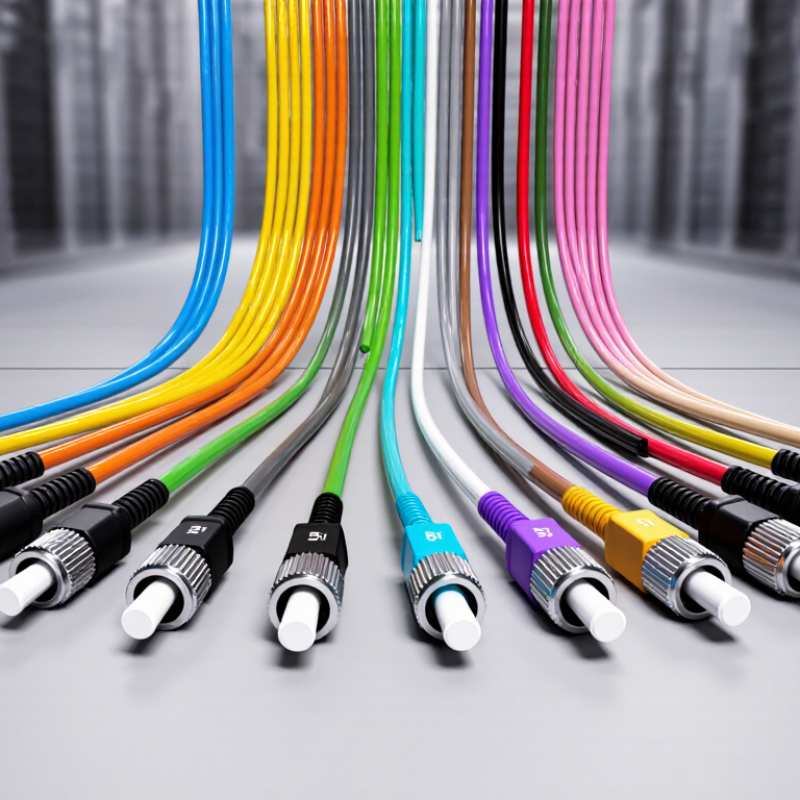
How Fiber Optic Cables Transmit Data Across Networks
A fiber optic cable carries data as pulses of light rather than electrical signals. At one end, a transmitter converts network data into rapid flashes from a light source. Those flashes enter the cable’s glass or plastic core. A surrounding layer, called cladding, helps keep the light within the core as it travels. Tiny pulses, moving very quickly.
At the other end, a receiver detects the light with a photodiode and converts it back to electrical data. This process supports high bandwidth and resists much of the electromagnetic interference that can affect copper wiring. The actual reach and speed depend on the fiber type, equipment, wavelength, and installation quality. A cable alone cannot guarantee performance.
In a network closet, the details matter. Dust on a connector can weaken the signal, while a sharp bend may cause light loss. Keep connectors capped until use, clean them with suitable tools, and follow the cable’s bend-radius guidance. Even so, troubleshooting is not always neat; a weak link may come from a connector, a transceiver, or a configuration issue. It is tempting to blame the cable first. Test before replacing it.
