
7 Best Energy Efficient Aluminum Windows for Buyers
Choosing replacement windows involves more than frame color or price. Energy efficient aluminum windows can offer slim sightlines, durable frames, and useful daylight, but performance varies by product. Aluminum conducts heat readily, so frame design matters. A well-designed thermal break separates interior and exterior metal, helping limit heat transfer. Good glazing and tight seals also affect comfort. Look beyond marketing claims. Compare published U-factor and solar heat gain coefficient ratings, and check whether they suit your climate. Numbers need context.
Climate changes what “efficient” means. A sunny room may benefit from different glazing than a shaded one, while cold winters make insulation especially important. Installation matters, too. Even a strong window can underperform if gaps around the frame allow drafts or moisture. Ask about glass options, frame construction, warranties, and installation requirements before comparing models. Details matter. This guide reviews seven aluminum window choices using practical factors, including thermal performance, design, and available features. Product specifications can change, and ratings may depend on size or configuration, so verify current details with the manufacturer. No window is perfect, and a high rating on paper does not guarantee comfort in a real room. That distinction is easy to overlook. The right choice balances measured performance with the needs of your home, local conditions, and budget.
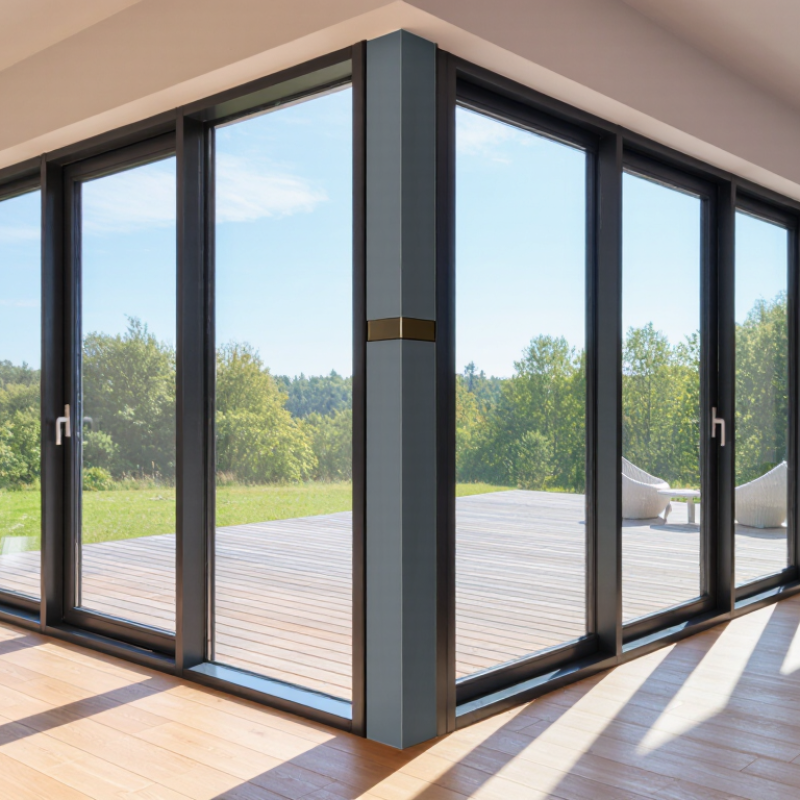
How Aluminum Frames Transfer Heat: Thermal Breaks and Frame Conductivity
Aluminum frames are strong and slim, but they also conduct heat readily. NIST material-property data put pure aluminum’s thermal conductivity near 237 W/m·K at room temperature. In a window, that can create a direct path for heat to move from a warm room to cold outdoor air. The result may be a chilly frame edge or condensation on winter mornings.
A thermal break interrupts that path with a low-conductivity material between the frame’s inner and outer sections. It helps, but it does not make every aluminum window equally efficient. Frame design, glazing, seals, and installation all affect performance. The National Fenestration Rating Council’s whole-window U-factor accounts for heat transfer through the complete unit; lower values indicate less heat loss. Check the certified rating, not just the glass specification. Even a good frame can underperform if the sill is poorly sealed.
Tips: Compare whole-window U-factors for your climate, and inspect the thermal break in a frame cross-section. Ask how the window handles condensation at corners. That detail is easy to overlook. Aluminum offers durability and narrow sightlines, but comfort still depends on the complete assembly—and sometimes the installation is the weak link.
