
7 Best Electric Crucible Melting Furnace Models for Buyers
An Electric Crucible Melting Furnace can make small-batch metal work more controlled and repeatable. Yet choosing one is not as simple as comparing advertised temperatures. Buyers also need to consider melt capacity, heating speed, power requirements, temperature control, and the materials they plan to process. A compact unit may suit occasional casting, while a larger furnace can better support frequent production. Bigger is not always better.
This guide reviews seven furnace models through practical buying criteria. Look closely at crucible dimensions, insulation, control layout, and how easily the unit can be operated and maintained. A clear digital display helps, but it cannot compensate for poor temperature stability. Check the manufacturer’s published specifications and confirm that the furnace is suitable for your intended metal and working conditions. Details matter.
Real-world needs can differ from product descriptions. A quoted maximum temperature does not tell you how quickly a full crucible will heat or how consistently the furnace performs during repeated cycles. Power access and workspace ventilation also deserve attention before purchase. These points are easy to overlook. This comparison aims to clarify the trade-offs, not declare one furnace right for everyone. Use it to narrow your options, then verify current specifications with the supplier. An informed choice should match your materials, workload, budget, and available workspace—not just the most impressive numbers.
How Electric Crucible Melting Furnaces Work
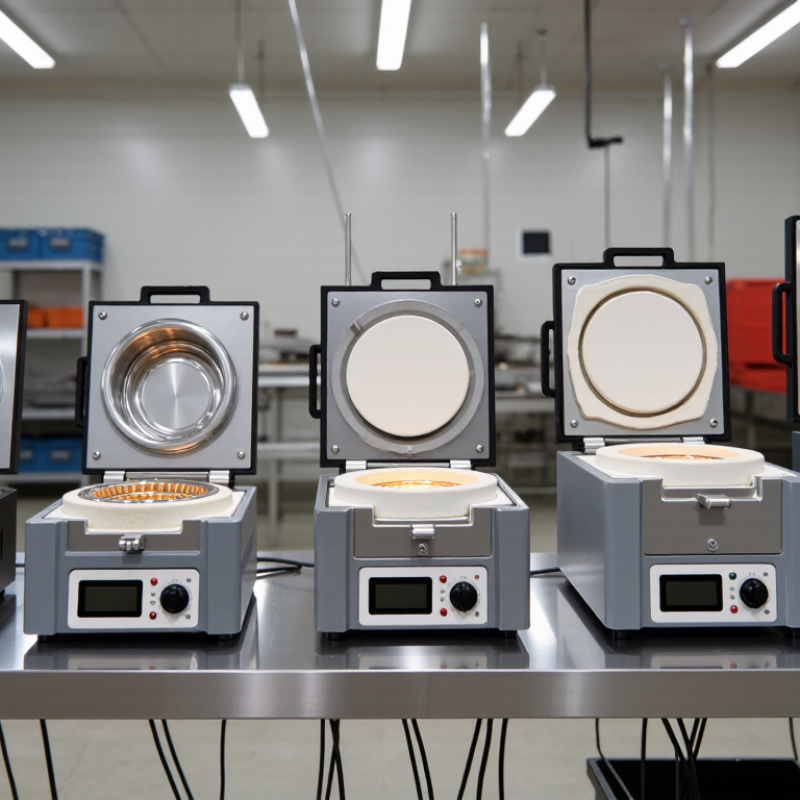
An electric crucible furnace converts electrical energy into heat around or within a crucible. In resistance models, elements heat the chamber, and the crucible transfers that heat to the metal. In induction models, a coil creates an electromagnetic field that heats conductive material directly. The exact heating path matters: it affects melt time, temperature uniformity, and which crucible materials are suitable.
A controller reads a thermocouple and adjusts power toward the set temperature. Insulation reduces heat loss, while the lid helps limit drafts and oxidation.
The International Energy Agency’s Tracking Industry 2020 report estimates that industry uses about 37% of global energy and produces roughly 24% of energy-related CO2 emissions. That wider context makes furnace efficiency worth checking, but it does not predict one unit’s performance.
Small detail.
I would not treat a digital setpoint as proof that the whole melt is uniform; a probe near the wall may miss cooler metal at the center. Check temperature at the actual pour point, record melt time and power use, and inspect the refractory for cracks.
Real shop conditions are messy. A cold crucible, frequent lid opening, or undersized power supply can change results more than the brochure suggests.
