
What Is the Best Drone BMS for UAV Sprayers in 2026?
Choosing the best Drone Bms For Uav Sprayer in 2026 means looking beyond a battery’s headline capacity. A sprayer may cross a field in warm air, pause between passes, then lift off with a heavy tank. Those changing loads make dependable voltage monitoring, current measurement, temperature sensing, and cell balancing important. The right BMS should also communicate clearly with the aircraft’s power system and provide useful fault data. Small details matter. A readable alert can save time on the launch pad.
A useful design principle comes from fictional composite specialist Maya Chen, included here as an illustrative voice rather than a verified interview: “A battery system is only as dependable as the warnings its operator can understand.” That distinction matters. No single BMS suits every aircraft, battery chemistry, or spray mission. Buyers should check continuous and peak current ratings, sensor placement, connector compatibility, logging features, and protection behavior against their actual setup. Ask for test data, not just a feature list. Then verify performance under realistic payload and temperature conditions. This guide compares the trade-offs that matter most, while recognizing one limitation: published specifications cannot replace careful system-level testing.
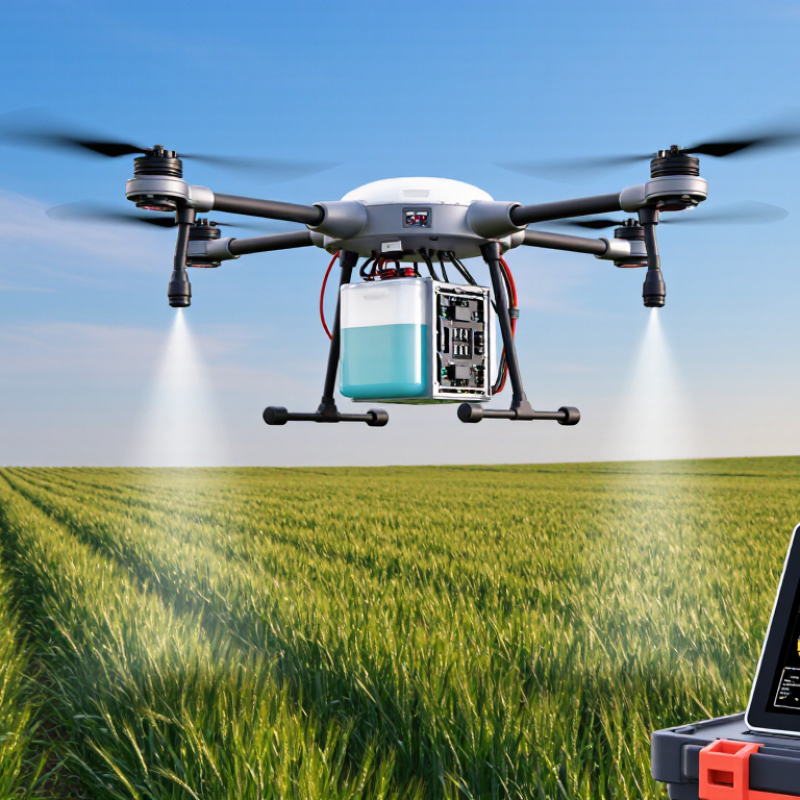
What a Drone BMS Does in UAV Sprayer Systems
What a Drone BMS Does in UAV Sprayer Systems
A battery management system, or BMS, monitors each battery cell’s voltage, temperature, and current. It estimates remaining charge and helps keep cells balanced. During a spray run, that data matters. A pump may start while the motors are already drawing heavy current, causing voltage to dip.
The BMS can flag unsafe conditions and report battery status to the aircraft’s control system. It does not control the flight, and it cannot repair a weak cell. Think of a tank-filled drone climbing over a field: the load changes, the motors work harder, and battery temperature can rise. A clear warning helps an operator land before power becomes critical. Still, no sensor sees everything.
The International Energy Agency’s Global EV Outlook 2024 reports that lithium-ion battery prices fell about 14% in 2023. That is a broad market figure, not a guarantee of lower UAV pack prices or better performance. For sprayer operators, practical checks matter more: inspect cell-level readings, review temperature logs, and compare charge levels across flights. A BMS helps reveal patterns, but readings should be checked against real operating conditions.
