
Who Are the Best Door Tensioner Suppliers in 2026?
A Door Tensioner may look like a small component, but its performance can affect door movement, alignment, and long-term reliability. Choosing a supplier in 2026 takes more than comparing prices. Buyers should examine product specifications, material consistency, manufacturing controls, and the supplier’s ability to meet required order volumes. Clear load ratings matter. So do accurate drawings and practical installation guidance.
This guide explores how to assess potential Door Tensioner suppliers, from product range and customization options to quality checks and customer support. Look for evidence, not broad promises: request current specifications, ask how batches are inspected, and confirm that samples match the parts intended for production. A supplier’s response to technical questions can reveal as much as its catalog. Small details count.
There is no universal best choice. A supplier suited to a high-volume factory may not fit a small maintenance order, and the lowest quote can leave important questions unanswered. That is worth remembering. We also cannot treat a polished website as proof of dependable manufacturing. Use this overview as a starting point, then verify claims directly and compare suppliers against your own application, delivery needs, and acceptance criteria.
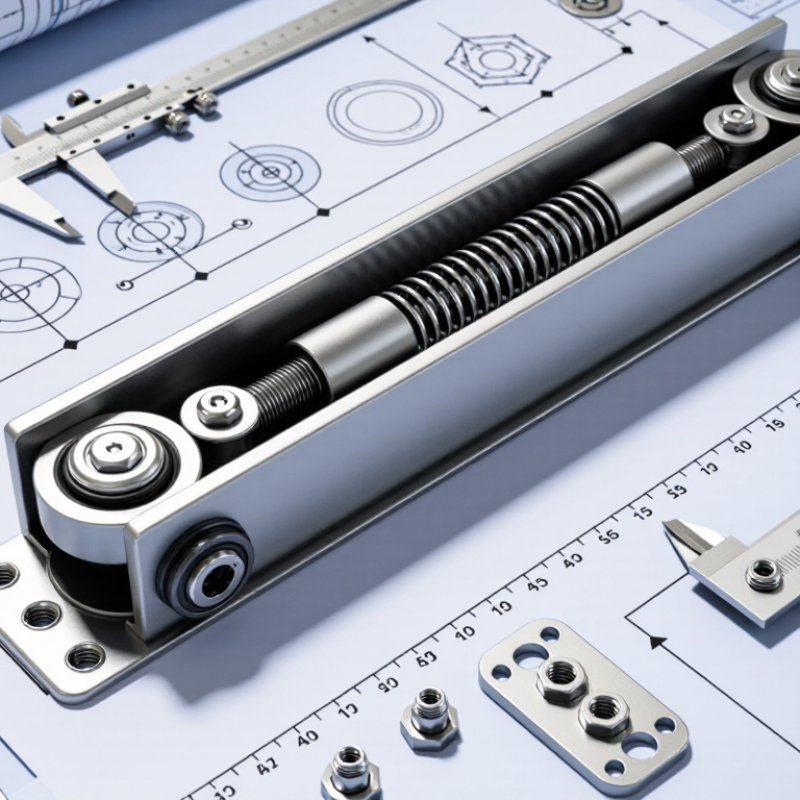
What Door Tensioners Do: Control Door Movement, Holding Force, and Safety
A door tensioner manages how a door moves, rather than simply keeping it shut. It can slow closing, provide resistance, or hold a door in a chosen position, depending on its design and adjustment. That control matters on a heavy entry door, a cabinet panel, or a frequently used interior door. Small changes are noticeable.
The holding force must suit the door’s weight, width, hinges, and expected use. Too little resistance may let the door swing freely; too much can make it hard to open or strain its hardware. Check the movement through the full swing, not just near the latch. A door may feel controlled in a showroom and behave differently after installation, especially if its frame is uneven.
Safety depends on proper fit and regular inspection. Watch for loose fasteners, unusual noise, or a door that no longer stays where intended. These can signal wear or incorrect adjustment. Keep fingers clear of closing edges, and do not treat a tensioner as a replacement for sound hinges or suitable stops. It is easy to focus on holding force alone. The motion matters just as much.
