
Who Are the Best Digital Display Manufacturers in China?
Choosing among China’s digital display manufacturers is not as simple as comparing prices or factory photographs. The market includes specialists in LED video walls, indoor signage, outdoor screens, and custom display systems. Their capabilities can differ sharply. A supplier suited to a retail window may not meet the needs of a control room or a large outdoor venue.
This guide examines practical indicators buyers can verify: product range, pixel pitch, brightness, refresh rate, cabinet design, calibration methods, and after-sales support. Details count. A close inspection of sample modules, wiring, and screen uniformity can reveal more than a polished brochure. Buyers should also request relevant project references, production information, and current quality documentation. Claims deserve careful checking.
There is no universal “best” manufacturer. The right choice depends on viewing distance, installation conditions, content, budget, and maintenance plans. A low quote may leave out installation guidance or spare parts; a premium proposal may include features a project does not need. That trade-off is easy to miss. This introduction offers a measured starting point for comparing Digital Display manufacturers in China, not a final endorsement. Specifications and service promises should be confirmed directly, and where possible, through independent testing or a site visit. Some details may remain uncertain until a real screen is evaluated. That is worth acknowledging.
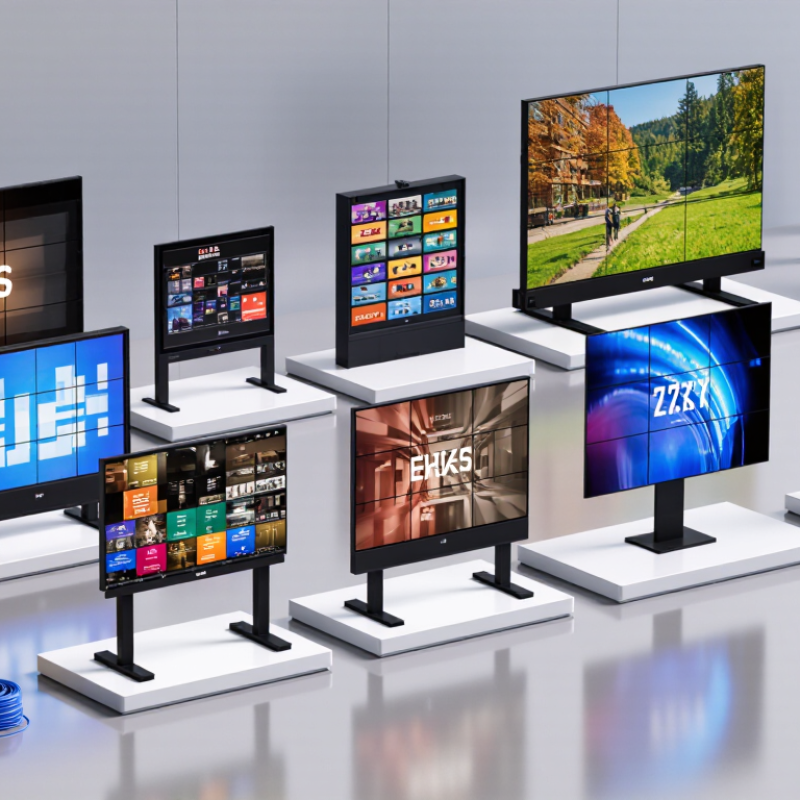
Understanding Digital Display Manufacturers and Their Product Categories
Digital display manufacturers in China are not one uniform group. Many specialize in LCD screens for indoor signage, control rooms, or retail displays. Others build LED panels for large walls, stages, and outdoor billboards. A few offer interactive touch displays or transparent screens. The product category matters. It shapes brightness, resolution, cabinet design, and installation needs.
For LCD signage, check screen size, operating hours, cooling, and whether the player is built in. LED projects need closer attention to pixel pitch, viewing distance, module access, and color consistency. A fine-pitch panel can show crisp text in a lobby, while a wider pitch may suit a facade viewed from across a road.
Ask how spare modules and replacement parts are handled. Small details matter.
A manufacturer may produce the display itself, assemble components, or coordinate a wider system that includes mounts and control software. These are different capabilities. Request product specifications, factory test records, and clear warranty terms before comparing quotations. A polished specification sheet is not the whole story. Check whether stated brightness and resolution apply to the exact model being offered. One detail is easy to overlook: installation conditions can affect performance, especially where heat, dust, or direct sunlight are present.
