
China Best Commercial Flood Lights Supplier for Buyers
Choosing a China-based supplier for Commercial Flood Lights is not just a price comparison. Buyers need to assess performance, production consistency, and support after delivery. A floodlight may look suitable in a catalog, yet perform differently on a warehouse wall or outdoor loading area. Ask for clear product data, including wattage, lumen output, beam angle, color temperature, and ingress protection rating. Real installation requirements matter.
Details matter.
For larger orders, request sample units and review the actual light distribution before confirming specifications. Check how the supplier handles driver selection, heat management, housing materials, and replacement parts. These details can affect service life and maintenance costs. Ask for relevant test reports and certification documents, then confirm that they match the exact model being quoted. A careful supplier should explain limits as well as strengths. Be wary of broad claims without supporting evidence.
There is no single “best” supplier for every buyer. A contractor may prioritize delivery schedules and consistent batches, while a distributor may need flexible packaging and responsive communication. Compare quotations against the same technical requirements, not only the unit price. It is also reasonable to question unclear lead times or unusually high performance claims. Some information may still need verification. This guide explores practical ways to evaluate Chinese Commercial Floodlight manufacturers, ask useful questions, and make a more informed purchasing decision.
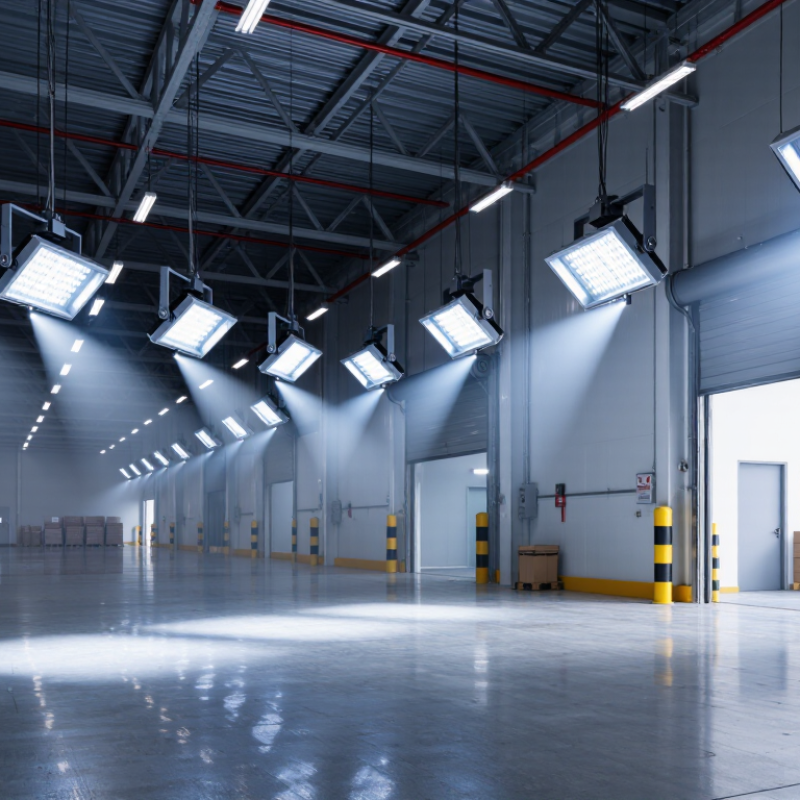
Understanding Commercial Flood Lights and Their Applications
China Best Commercial Flood Lights Supplier for Buyers
Understanding Commercial Flood Lights and Their Applications
Commercial flood lights use broad, powerful beams to illuminate outdoor areas that need consistent visibility. Common applications include parking lots, loading docks, sports grounds, building facades, and construction sites. Each setting has different needs. A loading dock may require bright, even light, while a facade benefits from carefully aimed beams that reduce spill.
Choosing a fixture involves more than comparing lumen ratings. Mounting height, beam angle, color temperature, and weather resistance all affect performance. For example, a high pole needs optics suited to wider coverage, while a wall-mounted light may need a narrower beam to limit glare. Check the fixture’s ingress protection rating and heat management details for exposed locations. These details matter.
One detail is easy to miss: aiming. Poorly directed light can create dark patches or shine into nearby windows. A site plan and a nighttime test can reveal issues that product specifications cannot. Even then, adjustments may be needed. That is normal. Buyers should compare measured output, warranty terms, and technical support, not just advertised brightness.
