
What Is the Best China Side Tipper Truck for Global Buyers?
Choosing the best Side Tipper Truck for global buyers requires more than comparing payload figures. A truck that performs well on dry quarry roads may struggle on wet construction sites. Route conditions, climate, loading habits, and service access all influence the right choice.
Experienced fleet operators usually examine the hydraulic tipping system, chassis strength, axle rating, body volume, and braking performance. They also check weld quality, suspension response, tire availability, and corrosion protection. A reliable model should discharge materials smoothly, even when the load shifts unevenly. Small details matter, such as protected hydraulic lines and easy access to filters.
No model wins every route. That matters.
Manufacturers should provide clear specifications, independent inspection options, maintenance schedules, and traceable component information. Buyers should compare real operating costs, not only the purchase price. Fuel use, downtime, spare parts, driver training, and local technical support can change the final value significantly. Supplier communication also reveals practical reliability. Slow answers may suggest future service difficulties.
This guide examines Side Tipper Truck options through a professional and buyer-focused perspective. It considers performance, configuration, safety-related design, maintenance, and long-term ownership. Some published claims may appear impressive, but they still require verification. A careful decision should include site testing, document review, and feedback from operators using similar trucks. The best choice is not always the largest truck. It is the one that matches the route, material, regulations, and service conditions with fewer unpleasant surprises.
What Is a Side Tipper Truck and How Does It Work?
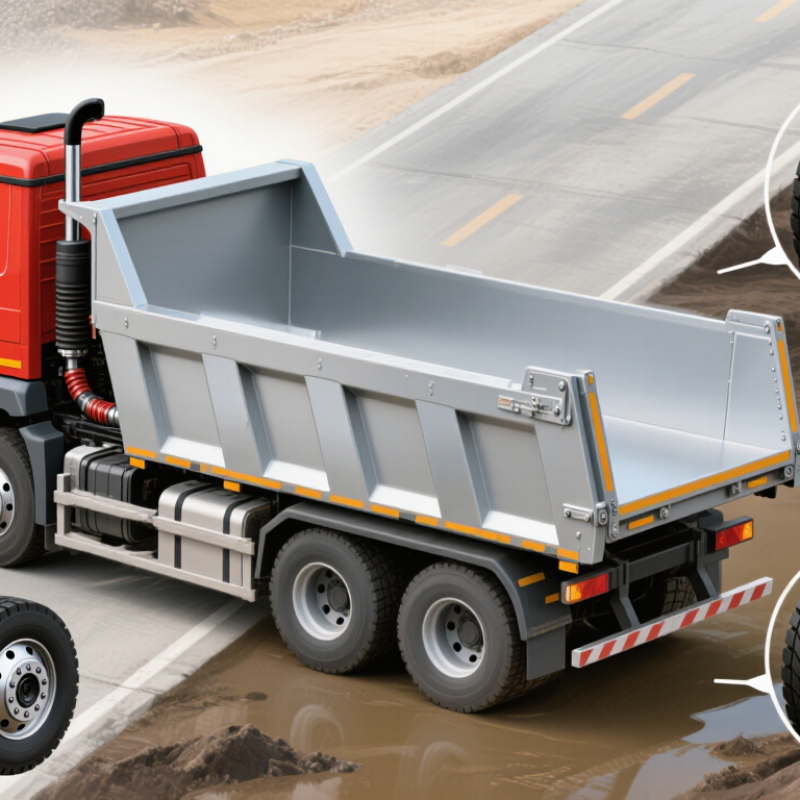
A side tipper truck carries bulk materials in a reinforced body. Unlike a rear dumper, it unloads by tilting the body to one side. Hydraulic cylinders lift the body from its chassis. Gravity then moves the load through the opened side. That simple action saves space on narrow sites. Less reversing. Operators control the tipping angle from the cab. Hydraulic valves regulate movement and reduce sudden shifts. On uneven ground, stability matters more than speed.
For global buyers, the best China side tipper truck starts with the job, not the brochure. Check payload, body volume, material density, road conditions, and daily cycle time. Coal, aggregate, soil, and agricultural products may need different body linings. High-strength steel can improve durability, but it may increase tare weight. Ask for load charts, hydraulic diagrams, axle ratings, and maintenance intervals. These documents make technical claims easier to verify. Request photographs of welds, hinges, cylinder mounts, and chassis reinforcement. Small details reveal manufacturing discipline.
During inspection, operate the body several times without a load. Listen for pump noise and watch for uneven lifting or oil seepage. Test it again with a controlled load. No design is perfect. Do not ignore the tailgate. It must open smoothly and latch securely during tipping. Some buyers focus heavily on purchase price. That can be a costly mistake when parts, training, or local service are limited. Real operating feedback is valuable, yet it is not always complete. A careful buyer should question both impressive promises and quiet omissions. Not always simple. Even a well-built truck needs correct loading and routine inspection.
