
China Best HSS Heat Shrink Sleeve Supplier?
Choosing a China-based supplier for an Hss Heat Shrink Sleeve is not just a price comparison. The sleeve must fit the cable, connector, or component it protects, then shrink evenly under the specified heating conditions. A mismatch in recovered diameter, wall thickness, or material can create installation delays and uneven coverage. Small details matter.
Start with the application. Is the sleeve intended for insulation, bundling, abrasion resistance, or environmental protection? Ask suppliers for dimensional tolerances, shrink ratio, operating temperature range, and material information. Request sample pieces when possible. A datasheet is useful, but it cannot show how a sleeve behaves on your actual assembly. Test it.
Supplier checks matter just as much. Look for clear product specifications, consistent sample-to-production quality controls, and direct answers about manufacturing capacity and lead times. Ask how batches are inspected and whether test reports can be linked to the products being quoted. Reliable communication is evidence, too. Vague answers deserve follow-up.
China has many manufacturers and trading companies, so a polished website alone proves little. Compare suppliers using the same technical requirements, and confirm packaging, labeling, and order terms before production. If a quotation is dramatically lower, check what material, tolerance, or service level it assumes. There is no universal best supplier. The right choice depends on fit, documentation, repeatability, and support—and some questions may remain unanswered until samples are tested. That is worth admitting.
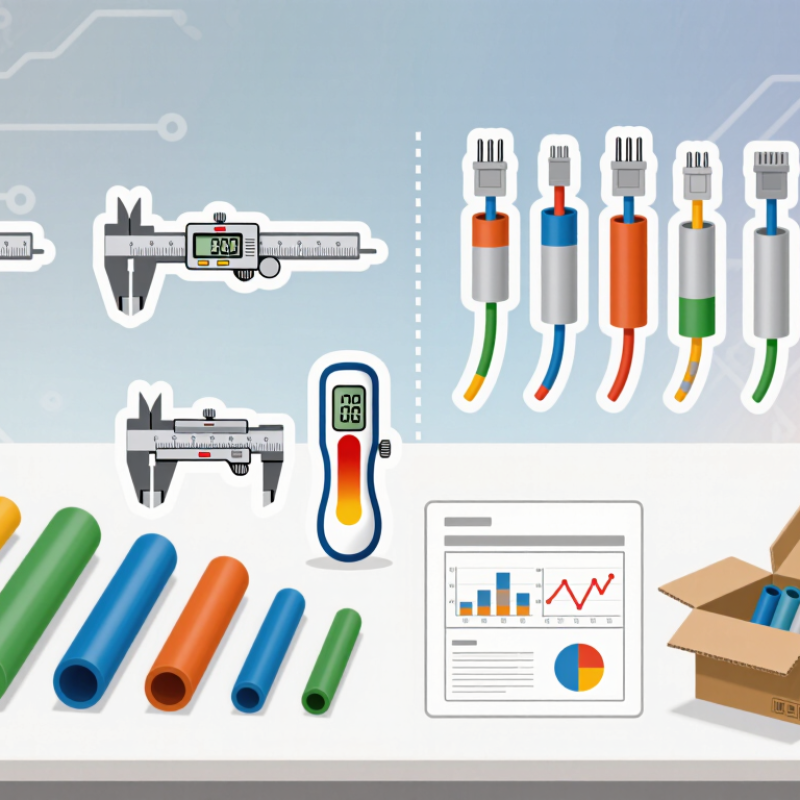
What Is an HSS Heat Shrink Sleeve?
An HSS heat shrink sleeve is a tube that contracts when heated, fitting closely around a cable, wire joint, or component. It is commonly made from polymer materials such as polyolefin, though construction varies by application. Before heating, the sleeve slides over the part with enough clearance for installation. A controlled heat source softens the material, which then recovers toward its smaller diameter. The finished layer can reduce abrasion and help shield a connection from dust or moisture, depending on its design. Simple idea.
Choosing one requires more than checking its length. Installers typically compare expanded and recovered diameters, shrink ratio, wall thickness, operating temperature, and whether an inner adhesive layer is needed. A sleeve can look tidy yet fail to grip if its recovered size is too large. Too small, and it may be difficult to position without damage. The term HSS may vary across catalogs, so verify material details and test data rather than relying on the label alone. It is not magic. Match the sleeve to the substrate and service conditions, then check the fit on a sample before regular installation.
