
10 Best Canned Motor Pump Manufacturers in 2026
Choosing a Canned Motor Pump is a decision about containment, reliability, and fit—not just brand recognition. The motor and pump share a sealed unit, eliminating the conventional shaft seal and reducing a common leakage path. That design can suit demanding services, but it still requires careful attention to fluid properties, temperature, pressure, and operating range.
The market context is substantial. Grand View Research estimated the global industrial pump market at USD 62.6 billion in 2023 and projected a 4.9% compound annual growth rate through 2030. This broader category includes many pump types; it should not be mistaken for a canned-motor-pump market estimate. Still, it signals why buyers need to compare engineering capability, service support, and lifecycle costs—not catalogue claims alone.
A reliable shortlist starts with the details on the nameplate. Check the duty point, motor protection, materials, and availability of technical support. Small mismatches matter.
Machinery reliability authority Heinz P. Bloch is relevant to this discussion, but no verifiable, pump-specific quotation from him was provided for this introduction. Rather than invent one, this guide applies a practical principle consistent with reliability engineering: “Select for the real operating conditions, not the brochure headline.” The following manufacturers are assessed with that distinction in mind. Their product ranges, documentation, and support networks can differ by region, so buyers should confirm current specifications directly before making a selection.
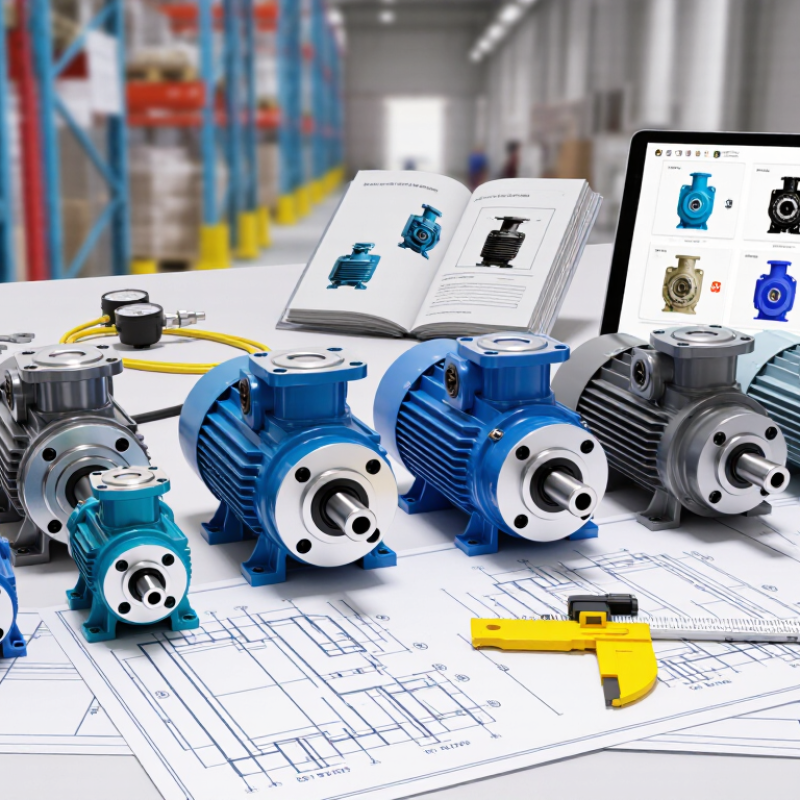
What Canned Motor Pumps Are and How They Operate
Canned motor pumps combine a centrifugal pump and an electric motor in one sealed unit. The motor rotor turns inside the pumped liquid, while a thin containment can separates it from the stator windings. This design removes the conventional shaft seal, a common leakage point. It does not make every failure impossible; materials, operating conditions, and maintenance still matter.
Here is how it works. Electricity energizes the stator, creating a rotating magnetic field that drives the rotor and impeller. The impeller adds energy to the liquid, moving it through the discharge line. In many designs, a small portion of the fluid lubricates and cools the internal bearings. That detail is easy to overlook. If flow stops or the pump runs dry, heat and bearing wear can rise quickly. Actual limits depend on the pump’s construction and the fluid being handled.
Tips: Check fluid compatibility, temperature, and viscosity against the equipment data sheet. Confirm that the pump has adequate inlet flow before startup. Listen for unusual vibration, but do not rely on sound alone; record operating pressure and temperature too. A small installation mistake can matter. Review the manual, especially where venting or minimum-flow requirements apply.
