
Who Are the Best Blown Film Machine Manufacturers in China?
China has become an important sourcing base for plastic film equipment, but choosing a supplier takes more than comparing prices. The best Blown Film Machine manufacturer depends on your materials, output targets, film width, and available factory space. A line designed for one production plan may not suit another.
This guide compares manufacturers through practical, checkable criteria: machine configuration, component specifications, quality-control procedures, installation support, spare-parts access, and customer references. Buyers should ask for clear technical drawings and confirm how quoted output figures were measured. If possible, inspect a running line or request a production test using similar resin and film requirements. Small details matter. A control screen is easy to photograph; stable film thickness over a full shift is harder to demonstrate.
Manufacturer profiles and marketing claims should be checked against current evidence, not treated as guarantees. Ask who handles commissioning, how operators receive training, and how quickly common parts can be supplied. Still, even a careful comparison has limits: factory visits may show only one machine, and references may reflect different operating conditions. That deserves a second look. The aim here is not to name a universal winner, but to help buyers identify capable Chinese suppliers and ask sharper questions before making a decision.
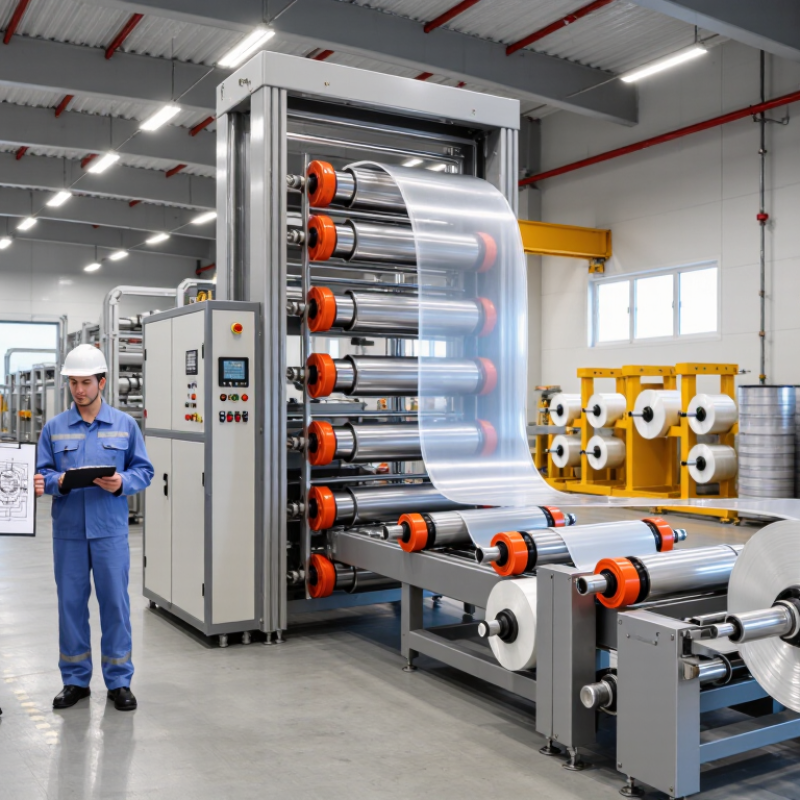
What Defines a Blown Film Machine Manufacturer in China?
A capable blown film machine manufacturer in China is defined less by catalog size than by proven process control. Its engineers should explain how screw design, die geometry, cooling rings, and haul-off speed affect bubble stability and film thickness. Ask for a trial with your resin and target gauge, then inspect edge trim, roll profile, and changeover time. Numbers matter.
Reliable production also depends on repeatable fabrication. Review die machining, electrical cabinet layout, safety guarding, and documented acceptance checks. Request sample rolls from a comparable line, with measured output, energy use, and thickness data—not only a maximum-speed claim. If results vary, the supplier should explain likely causes and practical adjustments. This is where experience shows.
After-sales support is equally important. Confirm commissioning, spare-parts lead times, remote diagnostics, and operator training in writing. A clear manual and labeled wiring can save hours during a fault. No supplier is perfect. Response quality matters. Buyers sometimes focus too heavily on purchase price; maintenance access and technical support can shape operating costs for years. Judge the manufacturer by evidence, not promises.
