
10 Best ATS Switch Manufacturers for Global Buyers
Automatic transfer switches help keep critical loads supplied when the normal power source fails. For global buyers, choosing a manufacturer involves more than comparing prices or browsing product photos. Voltage, current rating, pole configuration, transfer mode, and installation environment all affect whether a unit fits a project.
This guide to the 10 Best ATS Switch Manufacturers for Global Buyers offers a practical starting point for evaluating suppliers. It considers product range, technical documentation, customization, manufacturing capability, and after-sales support. Buyers should also check whether a model’s certifications and test reports match the requirements of their destination market. A certificate shown on a website may not cover every product variant. Details matter.
Switch Ats products can look similar in a catalog, yet differ in controller functions, switching performance, enclosure design, and maintenance access. Ask for precise specifications, wiring diagrams, and clear information about operating conditions. Where possible, compare responses to the same technical questions. This makes gaps easier to spot. A tidy datasheet is useful, but it cannot answer every site-specific concern.
No single manufacturer is the right fit for every project. Lead times, communication, local service, and replacement-part availability may weigh as heavily as headline specifications. Some buyers may also need to revisit their assumptions after reviewing real load data. That is not a failure; it is part of careful procurement. The manufacturers below are presented as options for further assessment, not as a substitute for engineering review. Verify suitability with the supplier and a qualified project professional before making a purchase.
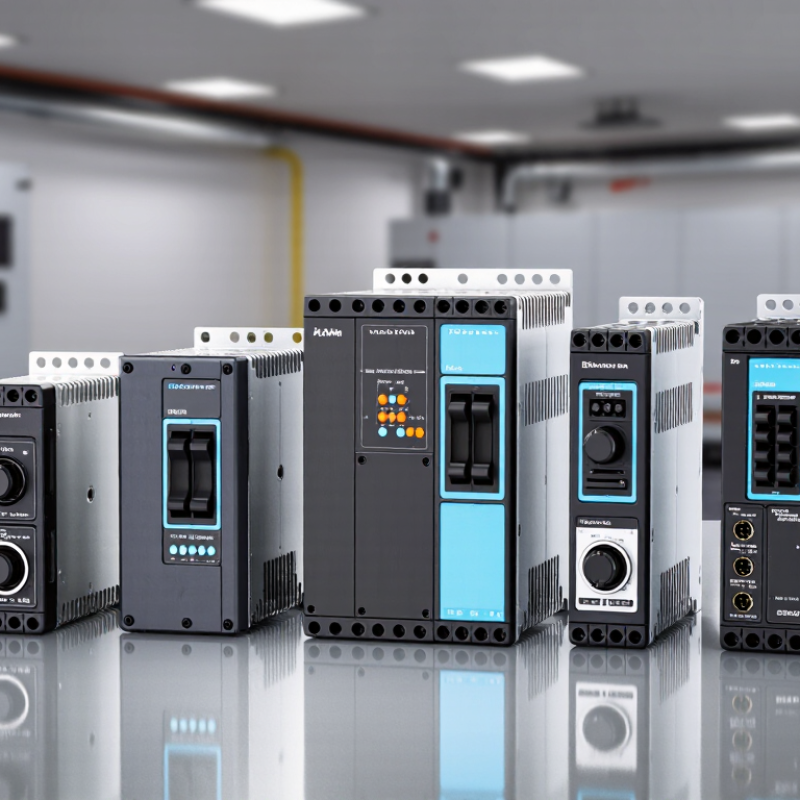
Automatic Transfer Switches: Definition, Purpose, and Operating Principles
An automatic transfer switch (ATS) moves an electrical load between two power sources. In a typical installation, those sources are utility power and a standby generator. The switch monitors voltage and, in some designs, frequency. If the preferred source falls outside set limits, the controller initiates a transfer sequence. The purpose is to keep selected equipment powered with less manual intervention.
Here is the basic sequence. The ATS detects a supply problem, signals the generator to start, and checks that its output is stable. It then disconnects the load from the utility and connects it to the generator. When utility power returns and remains acceptable, the switch transfers the load back and allows the generator to cool down. Timing matters. A short delay can prevent needless switching during a brief voltage dip.
Most systems use mechanical or electrical interlocks to prevent both sources from feeding the load at once. Some transfer without intentionally overlapping sources; others are designed for controlled, momentary overlap, where permitted by the installation. Real installations are less tidy than diagrams. Motor starting currents, generator capacity, wiring, and maintenance all affect performance. An ATS does not create power or guarantee uninterrupted service; brief interruptions may occur during transfer. Selection and commissioning should match the load and be checked by qualified electrical professionals.
