
147 Mill Ridge Rd Suite 232
Lynchburg, Virginia 24502
Phone 757-982-3665

2026 Best Apao Hot Melt Adhesive Raw Material Supplier?

Choosing the best Apao Hot Melt Adhesive Raw Material supplier in 2026 takes more than comparing prices. Buyers need consistent material, clear technical information, and dependable support when production conditions change.

APAO, or amorphous poly-alpha-olefin, is used in hot melt formulations where adhesion, flexibility, and processing behavior matter. The right grade depends on the application. Packaging, woodworking, and hygiene products may require different viscosity ranges, softening points, and open times. A material that runs smoothly in a laboratory can behave differently in a heated production line. That gap is worth checking.

Supplier evaluation should include recent batch documentation, safety information, packaging details, and realistic lead-time estimates. Ask whether the supplier can provide samples and explain how its grades perform at your target application temperature. Then compare the results using your own equipment and substrates. A neat data sheet is useful, but it cannot replace a production trial.

Small details count. Does the material arrive in clean, sealed bags or drums? Are lot numbers easy to trace? Can technical staff answer specific questions about compatibility or storage? These practical checks often reveal more than a broad product claim. Some requirements may also be overlooked during early sourcing; review them before placing a large order.

No supplier is automatically the best fit for every buyer. A careful comparison of quality consistency, technical service, supply capacity, and total cost can help narrow the field. A little caution here saves trouble later.
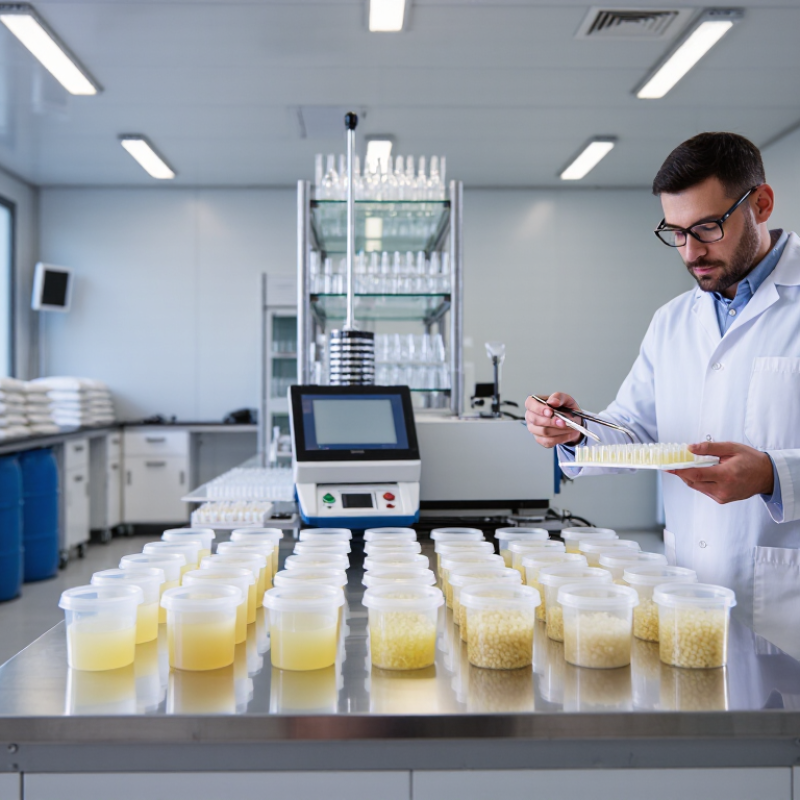
2026 Best Apao Hot Melt Adhesive Raw Material Supplier?

APAO Raw Material Profile: Typical Density of 0.86–0.90 g/cm³

2026 Best APAO Hot Melt Adhesive Raw Material Supplier?

APAO raw material density commonly falls between 0.86 and 0.90 g/cm³, according to ranges reported in industry technical data sheets. The figure describes mass per unit volume, not bonding strength. Small changes in polymer composition can shift the measured value. Check the grade-specific data sheet before comparing suppliers. A useful benchmark.

ASTM D792 and ISO 1183-1 describe recognized methods for measuring plastics density. Their procedures help make comparisons more consistent, provided samples are tested under comparable conditions. In production, density can affect how much material occupies a heated tank or metering system. For example, a 20-kilogram charge at 0.88 g/cm³ occupies about 22.7 litres before heating. Actual equipment volume needs extra allowance for operating conditions.

Density alone cannot predict tack, open time, viscosity, or adhesion to a particular surface. Those properties depend on formulation and test conditions. Ask for the test method, sample temperature, and tolerance behind any quoted value. It is easy to focus too heavily on one number; I would compare density alongside viscosity and application trials. A tidy specification is useful, but it is not the whole story.

Compare APAO Grades by Melt Flow Rate (ASTM D1238) and Softening Point

When comparing APAO grades, read melt flow rate and softening point together. Melt flow rate is measured under specified temperature and load conditions using ASTM D1238. Always check those conditions beside the result; values from different test settings are not directly comparable. A higher flow rate can indicate easier movement during processing, but it does not predict adhesive performance by itself. A bead that flows smoothly at the applicator may still set too slowly on a cold carton.

Softening point helps indicate when a polymer begins to lose firmness as it warms. Higher values may support better heat resistance, while lower values can suit applications needing flexibility at moderate temperatures. Neither number tells the whole story.

This is where comparisons get messy. For example, two grades with similar softening points may behave differently because their molecular weight distributions differ. Ask suppliers for test methods, conditioning details, and recent batch data.

Then test the material on your own line: record tank temperature, application speed, open time, and bond strength after cooling. A tidy data sheet is useful. Real substrates can be less tidy.

Softening point is also not a direct substitute for a finished adhesive heat-resistance test.

Assess Hot-Melt Viscosity at 190°C Using ASTM D3236

At 190°C, hot-melt viscosity is more than a catalog number. It affects pumping, coating weight, wetting, and the time available for bonding. ASTM D3236-15(2021) provides a rotational method for measuring apparent viscosity of hot-melt adhesives, reported in millipascal-seconds, equivalent to centipoise. Keep the sample fully molten, use the specified spindle and speed, and record the actual test temperature. Small shifts matter.

A useful supplier comparison starts with identical conditions. Request the test method, spindle, rotational speed, conditioning time, and replicate results alongside each viscosity value. A reading without these details is hard to compare. For example, one lot may appear easier to pump simply because it was tested hotter. ASTM D3236 also makes clear that viscosity is tied to the chosen test conditions, not an absolute value independent of them.

Check repeatability, too. Ask for several batch results and compare the spread, rather than relying on one “typical” figure. A narrow range can support steadier coating and fewer line adjustments, though viscosity alone cannot predict bond strength or aging. This is an imperfect screen, not a full qualification. Pair the 190°C result with application trials using the intended substrate, open time, and coating equipment. Reference: ASTM International, ASTM D3236-15(2021), Standard Test Method for Apparent Viscosity of Hot Melt Adhesives and Coating Materials.

Assess Hot-Melt Viscosity at 190°C Using ASTM D3236

The chart shows the exact unit conversion between mPa·s and Pa·s (1 Pa·s = 1,000 mPa·s). These are conversion reference points, not adhesive test results. ASTM D3236 viscosity results must be measured at 190°C using the specified test procedure and reported with the relevant instrument and spindle conditions.

Match APAO Performance to Packaging, Hygiene, and Assembly Applications

Choosing an APAO hot melt adhesive supplier starts with the application, not a broad product claim. In packaging, the material must wet paperboard, hold carton flaps, and set quickly enough for the line speed. A grade with suitable viscosity and open time can reduce stringing and weak seals. Small details matter. Corrugated board dust, coating, and seasonal temperature changes can all affect bonding.

Hygiene products need consistent application at low add-on levels, with flexibility that helps bonds withstand movement. For assembly, substrates may include plastics, foams, or textiles, each requiring careful compatibility checks. Ask suppliers for technical data, recommended processing temperatures, and batch consistency records. Then test samples on your own equipment. A datasheet cannot reproduce a fast, dusty production line. Nor does one successful trial prove long-term performance; aging and handling tests still matter. It is easy to focus on price per kilogram, but downtime and rejected products can cost more. The right match depends on real process conditions, and sometimes the first grade tested will not be the best one.

Rank 2026 Suppliers by COA Data, Traceability, Capacity, and Lead Time

A practical 2026 supplier ranking for APAO hot melt adhesive should begin with verifiable records, not polished sales claims. Give COA quality the greatest weight: compare each lot’s viscosity, softening point, color, and test methods against the agreed specification. Check that the certificate matches the shipped lot number. A clean document is helpful, but it cannot replace a production trial.

Traceability deserves close attention. Ask whether the supplier can connect a drum to its batch record, manufacturing date, and retained sample. Then assess capacity using actual monthly output and recent delivery performance, rather than a headline figure. Small details matter. A supplier with reliable capacity should explain how it handles peak orders without quietly changing specifications.

Lead time should include order confirmation, production, testing, and transport—not just the promised ship date.

A weighted scorecard might assign 35 percent to COA reliability, 25 percent to traceability, and 20 percent each to capacity and lead time.

This scoring is useful, but not perfect. Different adhesive formulations may need different viscosity windows, so rank candidates against your own process requirements and validate samples before committing to volume.