
Best 180 Degree Concealed Hinges in 2026?
A cabinet door that swings fully clear can make a tight kitchen or workshop feel easier to use. That is the appeal of a 180 Degree Concealed Hinge: it stays hidden when the door is closed and allows a wide opening when properly installed. Yet the number on the package is only a starting point. Door thickness, frame style, overlay, weight, and available clearance all affect whether a hinge will work as expected.
This guide looks at what matters when comparing concealed hinges in 2026, including opening range, adjustment, construction, installation requirements, and long-term performance. A sturdy hinge should move smoothly without sagging, scraping, or forcing the door out of alignment. Small details count. A few millimeters can change the fit. We also consider whether products offer clear specifications and accessible installation guidance, since vague measurements make buying harder. Manufacturer claims are useful, but they do not replace checking the hinge against your actual cabinet dimensions.
There is no single best option for every project. A heavy pantry door may need a different hinge and mounting pattern than a light cabinet front. Some doors may not reach a full 180-degree swing because nearby walls or handles get in the way. That limitation is easy to overlook. The recommendations ahead are intended to help narrow the choices, not promise a perfect fit in every setup. Measure carefully, review the product documentation, and allow for the occasional adjustment after installation.
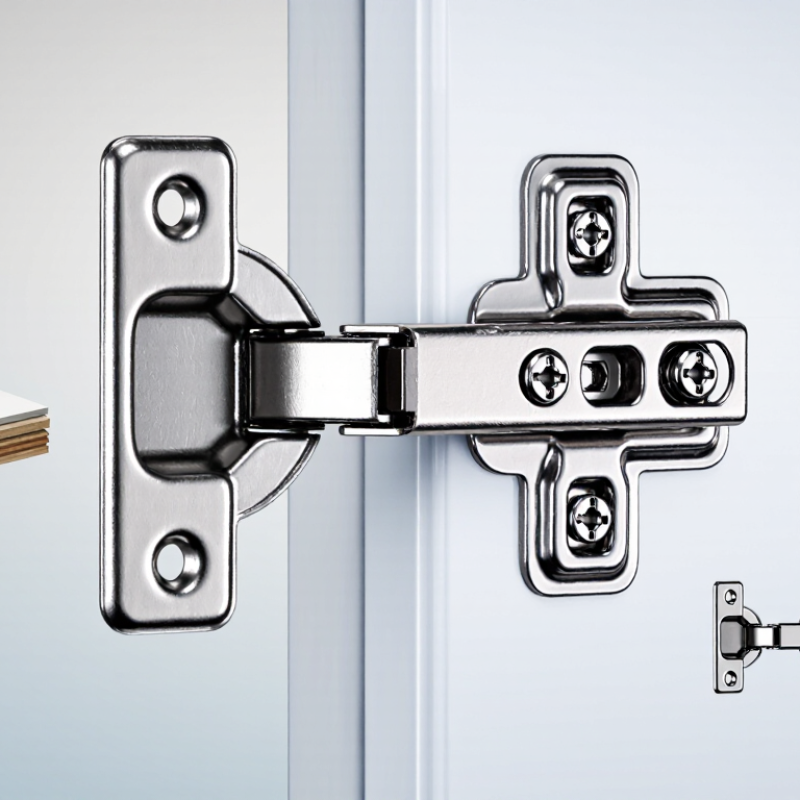
What 180-Degree Concealed Hinges Are and How They Work
A 180-degree concealed hinge lets a cabinet door swing wide while keeping most of its mechanism out of sight when closed. Inside the cabinet, linked arms guide the door through its movement. As it opens, the arms pivot and shift the door clear of the cabinet edge. At full travel, the door may sit nearly parallel with the cabinet side, leaving the opening easier to access.
The “180 degrees” describes the intended opening range, not a guarantee for every installation. Cabinet walls, door thickness, nearby handles, and hinge adjustment can limit travel. The hinge’s concealed position also depends on precise mounting: small errors in drilling or alignment can make a door rub, sag, or close unevenly. Check the product’s installation drawing and load rating before choosing hardware. It is easy to focus on the angle and overlook the space the door needs.
Tips: Measure the door and cabinet opening first. Test the movement slowly before loading the cabinet, and adjust the hinge if the door catches. A small gap can matter. If the opening is not perfectly square, the result may need more adjustment than expected.
