
What Is Arc Welding Equipment Used For?
Arc Welding Equipment turns electrical energy into a controlled arc that melts metal at a joint. It is used to build, repair, and maintain steel structures, machinery, vehicles, pipelines, and many smaller metal products. The equipment may include a power source, electrode holder or welding torch, cables, and protective gear. Each part has a job. Together, they help the welder create a sound weld while managing heat, spatter, and exposure to the bright arc.
Welding-metallurgy expert Dr. Sindo Kou is a respected reference on how heat and material behavior affect welds. In paraphrase, his work points to a useful principle: “A reliable weld depends on controlling the process, not just producing an arc.” That distinction matters. A compact stick welder may suit outdoor repairs, while a workshop may use a wire-feed or TIG system for different materials and finish requirements. The right choice depends on the metal, joint, thickness, location, and operator skill—not simply the machine’s advertised power.
This guide explains what Arc Welding Equipment is used for, how its main components support different jobs, and what practical limits to consider. You will see why electrode selection, current settings, and a stable work connection affect the finished bead. Small details count. A loose cable or poor fit-up can spoil a promising weld. Equipment alone cannot guarantee quality, either; experience and careful preparation matter. Some jobs still require specialist assessment, and that is easy to overlook when focusing only on the machine.
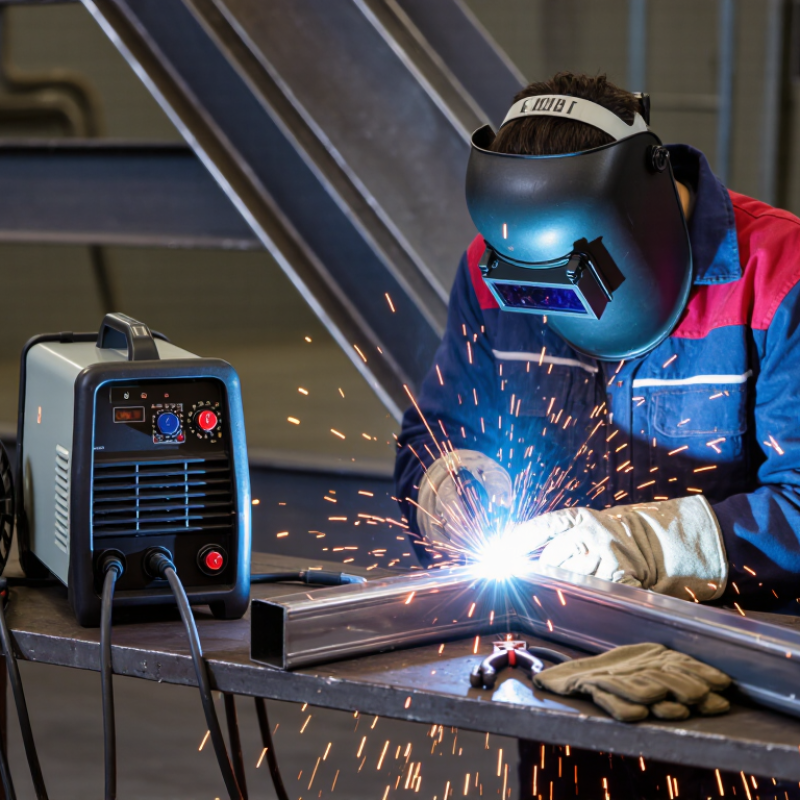
What Arc Welding Equipment Includes
Arc welding equipment includes a power source, cables, an electrode holder or welding torch, and a work clamp. The power source controls the current needed to create an electric arc. Cables carry that current between the machine, electrode, and workpiece. The clamp attaches to clean metal so the electrical circuit can function reliably. A loose connection or damaged cable can cause an unstable arc, so these parts deserve inspection before work begins.
The electrode depends on the welding process. Some setups use a consumable stick electrode; others feed wire through a torch. Certain processes also require shielding gas, supplied through a regulator and hose, to protect the molten weld from air. Not every arc welding system uses gas. That detail is easy to overlook. A helmet with a suitable filter, protective gloves, flame-resistant clothing, and sturdy footwear help shield the operator from sparks, heat, and arc light. Work-area ventilation matters too. In practice, small accessories such as wire brushes, pliers, and clamps can make preparation and cleanup easier, though they do not replace correct settings or sound technique.
