
7 Tips for Choosing Silica Tubing
Choosing Silica Tubing is not just a matter of selecting a clear, heat-resistant tube. The right choice depends on temperature, pressure, chemical exposure, dimensions, and how the tubing will be installed. A tube used near a furnace may face different demands from one carrying fluid through a laboratory instrument. Small details matter. A tight bend, rough cut, or mismatched connector can become a weak point.
Glass scientist Robert H. Doremus studied how glass composition and structure influence its properties. A practical takeaway from that work is: “Choose glass for the conditions it must withstand, not for appearance alone.” This is a selection principle, not a direct quotation. It points to the questions behind these seven tips: What temperature range is expected? Will the tubing contact corrosive chemicals? How much dimensional tolerance does the assembly require? Clear silica can look similar across products, yet grades and manufacturing quality may differ.
Good specifications make comparison easier. Record the inner and outer diameters, wall thickness, required length, and operating conditions before ordering. Check the supplier’s technical data, and ask about tolerances, surface finish, and compatibility when information is unclear. Do not assume that “high purity” automatically means suitable for every process. It may not. The seven tips below offer a practical way to assess performance, fit, documentation, and supplier reliability—while leaving room to revisit a choice when real operating conditions reveal something the initial specification missed.
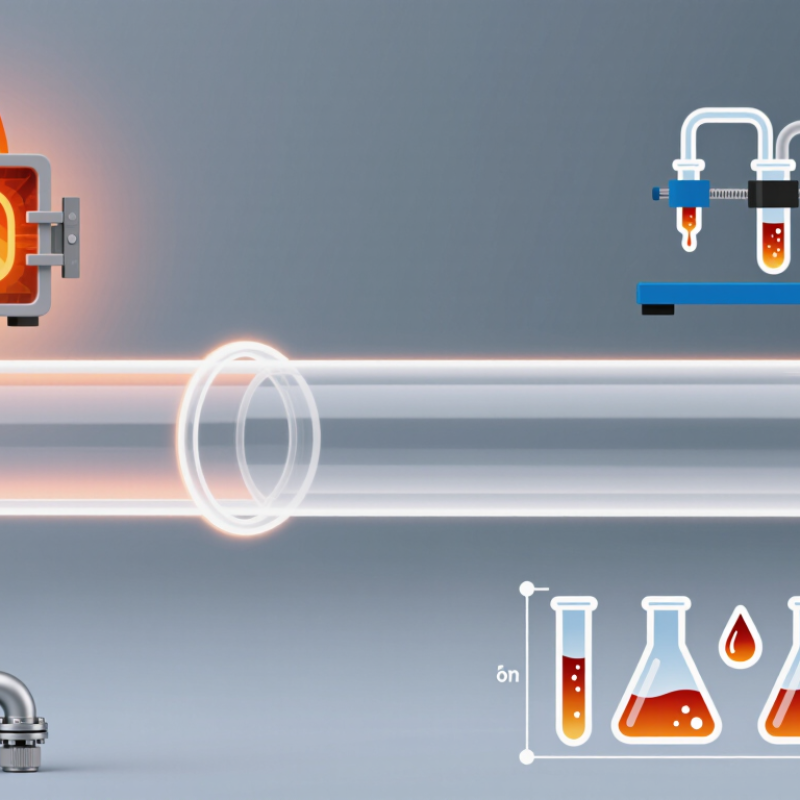
Define the Application and Operating Conditions
Before selecting silica tubing, define what it must carry and where it will operate. Record whether the line handles a gas, liquid, or sample that must remain clean. Note its temperature range, pressure, flow rate, and exposure to chemicals or moisture. Small details matter. A tube near a furnace may face rapid heating, while a line beside a pump may experience vibration. These conditions can affect service life even when the average temperature looks modest.
Specify both normal and worst-case conditions. Include temperature spikes, pressure changes, cleaning cycles, and how often the tubing will be handled. This step is easy to rush. It should not be. Check the proposed tubing’s limits against the conditions it will actually encounter, not just a short peak listed in a process note. Also consider inner diameter, wall thickness, and bend radius. A tight turn behind a panel can restrict flow or create stress, especially during installation. Leave enough clearance for supports and thermal movement. If the setup is new, test a short section under representative conditions first. Real measurements may reveal an awkward assumption. That is useful information.
