
7 Air Humidity Sensor Buying Tips for Global Buyers
Choosing an Air Humidity Sensor for international use involves more than comparing prices and advertised accuracy. A sensor may perform well in a clean laboratory but drift inside a dusty warehouse, refrigerated truck, or tropical production room. Global buyers must examine temperature range, relative humidity limits, response time, calibration evidence, output signals, enclosure protection, and long-term support. Small details matter. A wet filter matters.
Vaisala measurement specialist Jari Hiltunen offers a useful reminder: “A humidity reading is useful only when its uncertainty is understood.” That principle should guide every purchase decision. Buyers need to ask how accuracy was tested, at which temperature, and under what humidity conditions. They should also check whether the supplier provides traceable calibration certificates and practical installation guidance. A low-cost Air Humidity Sensor can become expensive when replacement, downtime, or inaccurate process control appears later.
This guide presents seven buying tips for global buyers. It considers technical performance, environmental resistance, connectivity, maintenance, compliance documentation, supplier credibility, and total ownership cost. These factors apply differently across laboratories, HVAC systems, food storage, agriculture, and manufacturing sites. The perfect sensor does not exist. That is worth admitting. Even experienced teams can select the wrong model when they trust a specification sheet too quickly. Careful comparison, field experience, and a realistic view of operating conditions usually lead to better results. Expect a few trade-offs. Reliability often matters more than the lowest purchase price.
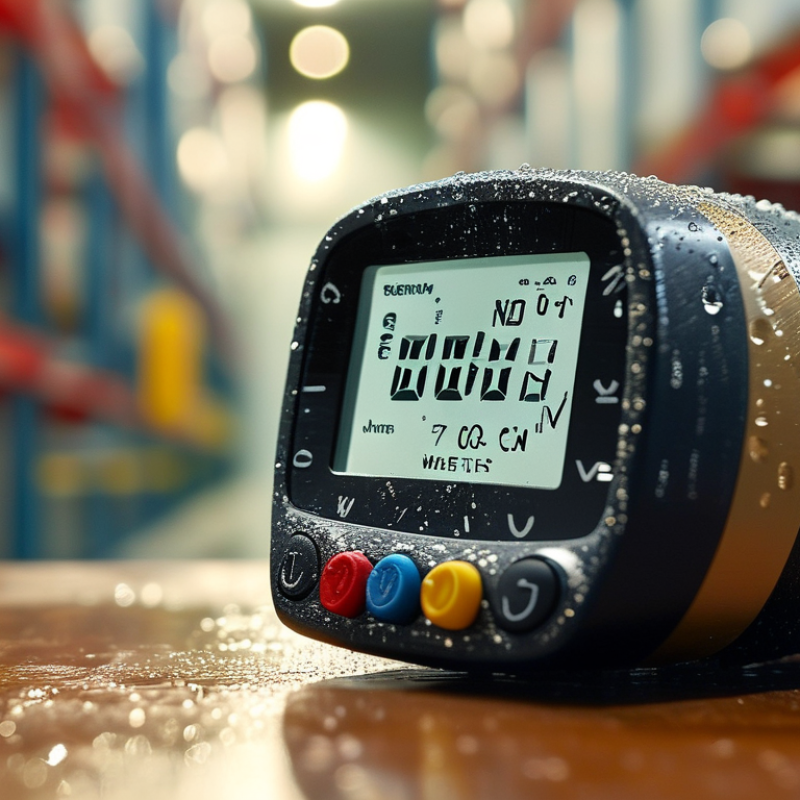
Define the Humidity Range and Accuracy Your Application Requires
Humidity sensor buying starts with the range your process truly experiences. A room monitor may need 20–80% RH, while a drying chamber may require 5–30% RH. Do not choose a 0–100% RH sensor automatically. Wider range can reduce resolution where control matters most.
Accuracy must match the consequence of error. The U.S. Environmental Protection Agency recommends keeping indoor humidity between 30% and 50% to limit discomfort and moisture problems. ASHRAE Handbook—Fundamentals describes similar comfort considerations. For a museum archive, a sensor rated ±2% RH may be insufficient if conditions must stay near 45–55% RH. For general office monitoring, ±3–5% RH may be acceptable. Define the tolerance first.
Read the specification carefully. “±2% RH” may apply only near 25°C and within a limited humidity range. Ask for the full accuracy curve, hysteresis, drift, response time, and temperature compensation details. NIST measurement guidance highlights calibration traceability and environmental effects as important uncertainty sources. Small errors become visible near condensation or drying limits. That matters. I have seen installations fail because the stated accuracy looked impressive, but ignored temperature influence. A sensor can be technically accurate and still unsuitable for the application. Test it at several points, preferably against a traceable reference, before approving the final purchase.
