
Top 304L Stainless Steel Sheet Suppliers in China?
Choosing a supplier for 304l Stainless Steel Sheet in China takes more than comparing quoted prices. Buyers should understand the intended application, production consistency, and evidence supporting the material specification. Grade 304L is a low-carbon austenitic stainless steel often selected for welded components and applications where resistance to intergranular corrosion matters. It is not immune to every environment. Chloride exposure, surface condition, fabrication, and maintenance can all affect performance.
This guide examines practical ways to compare Chinese suppliers, including product range, available thicknesses, surface finishes, production capacity, and export packaging. It also considers documentation, such as material test certificates, and whether a supplier can provide traceability between documents and delivered coils or sheets. Ask for current certificates and confirm that stated standards match your purchase requirements. A polished website is not proof of consistent quality. Neither is a low price.
Some companies operate their own mills; others are processors or trading firms. That difference may affect lead times, customization, and communication, but it does not automatically determine reliability. Request clear answers about tolerances, minimum order quantities, inspection procedures, and delivery schedules. If possible, compare samples against the agreed finish and dimensions before placing a larger order. Small details matter. Supplier claims still need checking, and this overview cannot replace independent verification or application-specific engineering advice. Even a careful checklist leaves room for judgment. That is worth remembering.
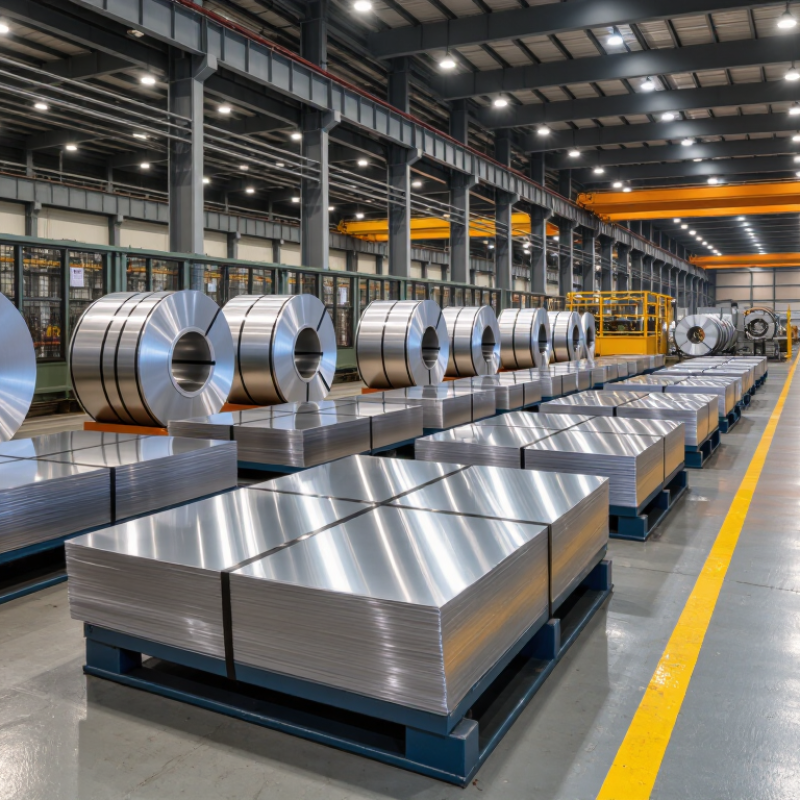
Understanding 304L Stainless Steel Sheet and Its Common Uses
304L stainless steel sheet is a low-carbon austenitic grade, commonly specified when welding is part of the fabrication plan. Its carbon content is limited to 0.03%, which helps reduce carbide precipitation near welds. It also offers good formability and corrosion resistance in many everyday industrial settings. It welds well. Still, careful cleaning matters; heat tint and surface contamination can weaken performance.
Common uses include food-processing equipment, storage tanks, kitchen surfaces, architectural panels, and fabricated enclosures. A sheet may be cut, bent, or welded into parts that need a cleanable surface and moderate corrosion resistance. In chloride-rich or strongly acidic environments, however, 304L can pit or corrode. The grade alone does not guarantee suitability. Service conditions matter.
When comparing Chinese sheet suppliers, buyers can check the stated grade, thickness tolerance, surface finish, and inspection documents against the project specification. Ask how the material is identified and traceable after cutting. A detail is easy to miss: the finish can affect both appearance and cleaning. I would not assume every “304L” listing describes the same verified product; confirm the documentation before fabrication.
